

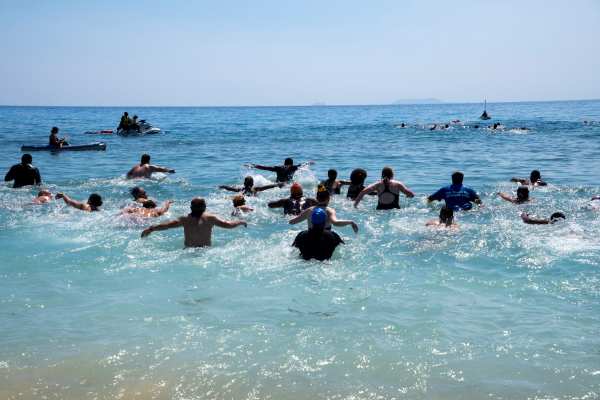
Cure Kids Race to Survive Fiji has concluded five days of physical challenges and community projects, showcasing both local and international competitors alike the true culture of Fiji.
Returning after an eight-year absence, the 2026 event brought together more than 60 competitors and crew from hotels and hospitality and tourism businesses across Fiji, Australia, and New Zealand to raise FJ$628,466 for Cure Kids Fiji. The funds will support heart screening, treatment and continuing care, alongside reliable access to medical oxygen for children with serious respiratory illnesses.
The result reflects months of fundraising and training by participants, and strong support from local and international communities. During the event, contestants also visited villages, schools, and nursing stations, seeing first-hand the services and communities their fundraising helps support.
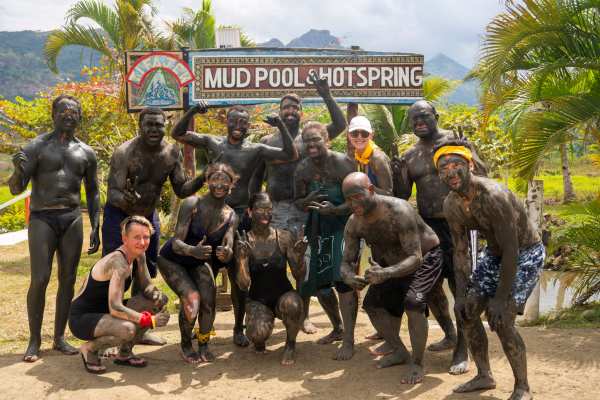
Seeing the Impact First-Hand
The week began with a traditional welcome at Yanuya Village, where teams were received with song before a presentation to the village chief and a sevusevu ceremony.
At Mamanuca District Primary School, where the school was damaged by a cyclone in March, participants helped re-paint classrooms and install roofing along a walkway. They distributed hundreds of toothbrushes and toothpaste, all donated by competitors, to support the school’s dental education efforts, then joined children for sack races, three-legged races and piggyback races.
After games of touch rugby with the kids, competitors then kicked more than 50 new rugby balls across the field for the children to chase down and take home.
A visit to Yanuya Nursing Station brought the purpose of the event into sharper focus. Competitors met nurse Vanisha, who cares for 1,314 people across two islands and multiple villages, and saw how a solar power system installed through Cure Kids Fiji now powers oxygen equipment, vaccine refrigeration and daily health care.
Five Days, Three Teams, One Volleyball
Between community visits, three teams – Yadra, Yaloqaqa and Duavata – competed across the Mamanuca islands and the Nadi region. The race opened at Novotel Nadi with tug of war and volleyball, followed by a 4.2 kilometre run to Mercure Nadi in 28-degree heat and a chili-eating challenge on arrival.
Later challenges included sunrise hikes, swimming, kayaking and pool relays at Vuda Marina, memory and puzzle roadblocks, and a scavenger hunt on Monuriki Island – the island made famous by the film Castaway – where teams searched the forest for more than 60 hidden FedEx boxes.
In a nod to the film, each team also had to protect a decorated volleyball mascot, “Wilson”, throughout the week. Unattended mascots quickly became opportunities for rival teams to collect points. With one day to go, just six points separated all three teams.
The competition concluded at Mercure Nadi on Friday 16 October.
Murray Davison – Cure Kids Fiji Board Member and Event Coordinator
“We are so proud of all our competitors, not only for their incredible fundraising efforts prior to the event, but also for their efforts over the last 5 days. Our goal was to showcase everyday life here in Fiji, and highlight the beautiful culture of the people of Fiji, and at the same time ensure they saw first-hand where the funds they raised would go to make a life changing difference. From the amount of tears and emotion at the finish line, and from the final fundraising total raised, the event has delivered everything it set out to do”
The fundraising will contribute to Cure Kids Fiji’s ongoing work with the Ministry of Health and Medical Services, supporting health professionals to reach children earlier and provide care closer to the communities where they live.
What the Fundraising Supports
Finding heart disease earlier
According to Cure Kids Fiji’s 2025 Annual Impact Report, more than 6,800 people were screened for rheumatic heart disease during 2025, including more than 4,000 schoolchildren.
School screening reached children across the Rewa, Labasa, Lautoka, and Suva subdivisions. The report recorded 92 newly diagnosed patients who were connected with treatment and continuing care.
For children and their families, screening is the beginning of a longer relationship with health services. Cure Kids Fiji’s work also supports clinical training, community education and follow-up to help patients continue prescribed treatment.
Heart Heroes Fiji’s community outreach located 51 people who had missed treatment or appointments. Of those, 44 restarted treatment, while seven remained under follow-up, according to the report.
Keeping oxygen available
Cure Kids Fiji’s oxygen and respiratory health program has purchased and distributed more than FJ$1.1 million in oxygen equipment and consumables since it began, supporting treatment for more than 90,000 patients across Fiji. These figures cover patients of all ages.
The program supports access to oxygen for children with serious respiratory illnesses and for premature and critically ill newborns. Its work combines equipment with staff training and infrastructure to help health facilities maintain a reliable supply.
The 2025 report recorded 16 health facilities using solar systems to power oxygen concentrators in vulnerable coastal areas. Four facilities received new solar installations during the reporting year, including Yanuya Nursing Station, which contestants visited.
Supporting care beyond the event
Cure Kids Fiji Chair Tony Whitton described the organisation’s approach:
Tony Whitton – Chairman Cure Kids Fiji
“This truly is an extraordinary effort by a group of individuals that work in the tourism and hospitality industry in New Zealand, Australia, and Fiji that care deeply about the health of children in our country. Their fundraising efforts will boost Cure Kids Fiji and our partners the Ministry of Health, MFAT activities across the country with more echo testing in schools and villages, more support with oxygen supply units in the maritime health clinics more community awareness and training and boost our national RHD register. The children of Fiji say Vinaka!”
The funds raised through Race to Survive will support that continuing work, helping strengthen screening, treatment, medical oxygen services and the skills of local health professionals. The five-day competition has ended; the services it helps fund continue throughout the year.











