

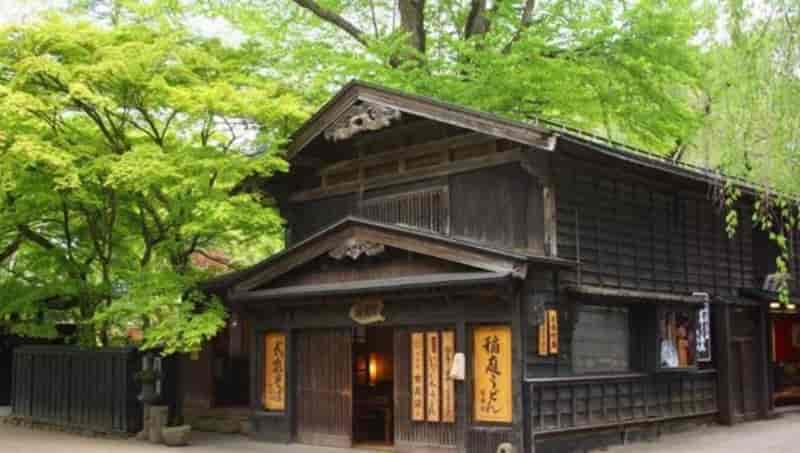
Autumn in Japan needs little publicity. The maples turn red, and the ginkgo trees go gold. Even a plain train stop can look like a film set.
Japan Holidays is Australian-owned. It has built three very different 2026 tours around that yearly show. The trips cover the quiet north and Japan’s classic cultural route. They also take in one of the world’s great race days.
The range starts with a nine-day Tohoku trip from A$6,100 per person twin share. A 14-day Classic Autumn Tour costs from A$11,600 per person twin share. Then there is a four-day Japan Cup package from A$2,950 per person twin share. It supplies the thundering hooves. It also brings a smarter view than the usual day at the races.
It is a neat piece of product design. One tour is for travellers who prefer their Japan less crowded and more deeply regional. Another is a broad first-timer’s sweep through Tokyo, Hakone, Kanazawa and Kyoto. The third makes a long weekend of the 2026 Japan Cup. Autumn leaves and fine dining keep non-racing partners firmly in the conversation.
Overseas and local flights are not included. Seats and rooms can sell out. Prices for the Tohoku and Classic Autumn tours may change with exchange rates.
Tohoku steps out of Tokyo’s shadow
The first trip is the Tohoku Autumn Leaves Tour, from 23 to 31 October 2026. It starts and ends in Tokyo. Yet most of its nine days are in northern Honshu. Forests, gorges, samurai tales and hot-spring inns do the heavy lifting.
Japanese travellers have long known Tohoku. Many Australians have not. It is the region north of Tokyo that the bullet train heads for while the guidebook sits open at Kyoto. There lies the appeal.
The tour opens with two nights in Tokyo. Guests then take a bullet train to Morioka. The city becomes their base for trips across the north. Stops include the Hakkoda Ropeway, Hachimantai’s volcanic scenery and the wooded banks of Oirase Stream.
The Japan National Tourism Organisation says Oirase Stream flows from Lake Towada through a gorge. Woods, waterfalls and distinctive rock formations line the way. In late October, the scenery can be superb. Nature, of course, will not sign a colour pledge. The tour dates follow past trends, but the leaves will turn when they’re ready.
The past matters as much as the leaves. Kakunodate’s samurai district has broad streets, old fences and thatched homes. JNTO’s official guide says some homes are still owned by descendants of the samurai families who once lived there.
The route then turns south to Hiraizumi and Chusonji. This is not a brief heritage stop tucked between lunch and the gift shop. UNESCO lists Hiraizumi for its temples, gardens and ancient ruins. Together, they express the Buddhist idea of a Pure Land. They also reflect the power of this northern centre during the 11th and 12th centuries.
The group stays in traditional ryokan at Hanamaki and Aizu Ashinomaki Onsen. The pace slows at once. Guests then see Tsuruga Castle and Ouchijuku, an Edo-period post town. A bullet train takes them back to Tokyo.
Japan Holidays says the price covers eight nights, daily breakfast, six lunches and seven dinners. It also covers the guide, listed transfers and entrance fees, plus one luggage-forwarding service. The group will have one to eight guests. The operator says tour leader Ken Takenaga has led groups for more than ten years.
This northern route may suit travellers who have already photographed Shibuya Crossing from every angle. It swaps the usual checklist for a stronger sense of place. There are fewer neon canyons and more forest paths. Mercifully, there is also less need to queue behind 40 raised phones.

Japan Holidays – Kenrokuen Gardens Autumn
The classic route earns its name
The Classic Autumn Tour 2026 runs from 22 November to 5 December. It lasts 14 days and 13 nights. The route reads like a neat first guide to Japan, not a frantic count of the whole nation.
Guests spend four nights in Tokyo. The plan includes Sensoji, Asakusa, local trains and lesser-known parts of the city. A day in Kamakura adds temples, shrines, a bamboo grove, matcha and sea air at Enoshima.
The route then slips away to Hakone. A ryokan stay near Lake Ashi brings hot-spring bathing, a kaiseki dinner and the prospect of Mount Fuji views. The mountain, being both majestic and mischievous, may choose to appear. Sensible travellers admire the lake in the meantime.
From Hakone, the group travels through Tokyo to Kanazawa. Gran Class seats aboard the Hokuriku Shinkansen are listed for that leg. Kanazawa rewards a slow look. Its castle, samurai quarter, geisha district and gold-leaf craft give the city much more than good looks.
Kenrokuen is the main draw and one of Japan’s three most famous gardens. The tour then heads to Takayama and Gokayama. Its gassho-zukuri farmhouses have steep thatched roofs and preserve a rare rural building style. Japan Holidays has not named which Gokayama village the group will visit.
Kyoto brings the grand close. Four nights leave room for Nijo Castle, Kinkakuji and Kiyomizudera. Day trips run to Kurashiki and Okayama. At Korakuen Garden, guests see another of Japan’s three great gardens. Okayama Castle stands next door.
The last full day heads into the countryside at Shigaraki, one of Japan’s six ancient pottery centres. A tea plantation, galleries, local ceramics and the Miho Museum put craft at the heart of the day. Lunch is served in Shigaraki ware. It may settle the old question of whether the plate can upstage the meal.
Tour leader Juliane Suzuki spent almost 20 years living and working in Japan as an interpreter. She returned to Australia in 2015, the operator says. That background matters. A good escort does more than count heads at a station. The real value lies in explaining customs and smoothing small problems. It also lies in knowing when the group needs insight, rest or a decent coffee.
The price covers 13 nights in four-star accommodation, daily breakfast, eight lunches and four dinners. It also covers listed tours, transfers and entrance fees, plus two luggage-forwarding services. The group should have eight to 12 guests. The trip ends in Kyoto, not Tokyo.
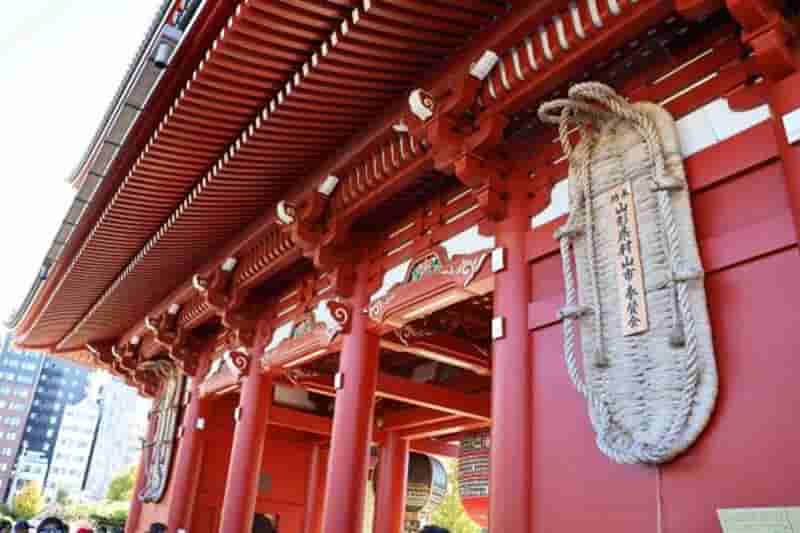
Japan Holidays – Shrine
Japan Cup adds horsepower
The final choice adds turf, tailoring and a serious turn of speed to the autumn colour. The 2026 Japan Cup Tour runs from 27 to 30 November.
The official JRA listing sets the race for Sunday, 29 November 2026, at Tokyo Racecourse. The Group 1 event is run over 2,400 metres on turf. It is open to horses aged three and older. No more than 18 can start.
Japan Holidays has wrapped the race in a three-night stay at the Keio Plaza Hotel in Shinjuku. The price includes airport meet-and-greet service and private transfers. Daily breakfast and one lunch are also covered. Guests receive a privately guided day trip to Mount Takao and lounge-suite seats at the racecourse. Japan Holidays expects 12 races with English commentary. Check the final program and race times closer to departure.
Mount Takao is a sound choice for Saturday. It lies in western Tokyo and offers forest walks, a cable car and Yakuoin Temple. The Tokyo tourism bureau says the leaves are often at their best from mid-November to early December. The timing looks good, but the weather has the last word. Lunch is at Ukai Toriyama. Japan Holidays lists charcoal-grilled seasonal dishes in a wooded setting.
Guests who would rather study the track than the trees can choose a Saturday visit to Tokyo Racecourse. This is optional. Sunday is the main event, and lounge-suite seats remove the usual ticket rush. That is useful because the JRA says general-admission and reserved-seat tickets for Japan Cup day must be bought online in advance.
The package closes with free time for Ginza shopping or lunch. A private airport transfer follows. It is compact, polished and quite indulgent. In other words, there is enough culture to keep the trip respectable and enough racing to make the binoculars worthwhile.
Three tours, one clear strategy
Taken as a set, the three tours show how group travel is changing. Guests still want the famous sights. They also want local depth, special access and less fuss. Rail bookings, luggage forwarding, local guides and private transfers may not sound grand. Yet they stop a good trip from becoming a test of admin stamina.
Japan Holidays has given each tour a distinct reason to exist. Tohoku offers autumn at its most spacious and reflective. The Classic tour joins the essential cities with craft, gardens and hot springs. The Japan Cup package turns a major sporting event into a short luxury break. It also works for couples with different interests.
That clear range is good news for agents. It gives them three easy themes: lesser-known Japan, Japan for first-timers and racing in Japan. Better still, no one has to pretend every client wants the same trip.
Japan’s autumn will provide the colour. These tours provide the frame. Mount Fuji, the maples and the favourite may all perform on cue. If they do, no one will be asking for a refund on the scenery.
Visit Japan Holidays. For more information and bookings, email [email protected] or telephone +61 (0)2 6674-4185.
By: Octavia Koo – © 2026.
Read Time: 8 minutes.
Author Bio:
 Octavia Koo arrived in Australia in the early eighties with little fuss and a good eye. Sydney suited her. At UNSW, she studied Arts, then found her footing in graphic design before drifting, quite naturally, into the digital side of things, building websites and shaping words that made people want to stay.
Singapore followed, and with it, the fast pace of tourism platforms and ITB Asia. Long before SEO became a buzzword, Octavia understood how stories travelled online. That’s where she met Stephen, and the seed for something more was planted.
A few years later, she joined Global Travel Media.
Today, Octavia works with quiet assurance, blending art, instinct and experience to produce stories that don’t shout; they simply work and linger.











