

UNESCO has added two of Europe’s most powerful landscapes to the World Heritage List. The wider area of Mount Olympus in Greece and the D-Day landing beaches of Normandy are among 25 new sites approved in 2026.
The decision came during the 48th session of the World Heritage Committee in Busan, Republic of Korea. It gives fresh global status to places where mythology, nature, sacrifice and memory meet.
The session ran from 19 to 29 July. Members added 19 cultural sites, 5 natural sites, and 1 mixed property. Comoros, São Tomé and Príncipe, and South Sudan also gained their first World Heritage listings.
For travellers, these additions are more than handsome new pins on the global map. UNESCO status can lift a destination’s profile. It also puts pressure on governments and tourism operators to manage visitor growth. A glossy brochure and a hopeful shrug will not do the job.
Olympus Rises Higher Still
Mount Olympus hardly needs an introduction. Greece’s highest mountain has enjoyed excellent brand recognition for several thousand years. Ancient Greeks knew it as the home of Zeus and the twelve Olympian gods.
UNESCO’s listing covers the wider mountain area in northern Greece. It recognises both the site’s cultural value and its natural importance.
The mountain rises sharply near the sea. This creates a wide mix of terrain, climate and plant life. Glacial cirques, limestone cliffs, karst sinkholes and deep gorges add plenty of geological drama. UNESCO also notes the area’s rich Mediterranean plant life and rare native species.
Few places can offer alpine scenery, ancient mythology and a cast of gods with famously tangled family lives. Olympus manages all three without help from a marketing committee.
Normandy’s Coast Enters the List
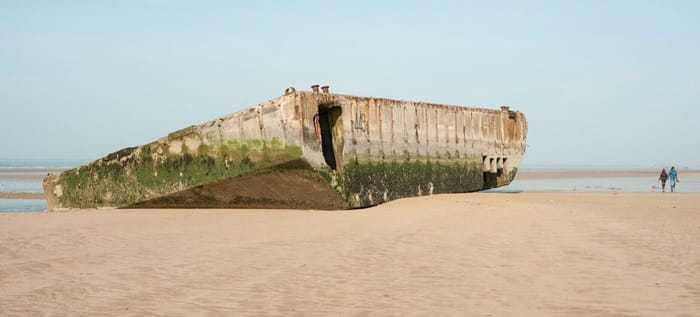
France’s new World Heritage property has six components. They stretch across approximately 80 kilometres of Normandy’s coastline. The sites are Utah, Omaha, Gold, Juno and Sword beaches, together with Pointe du Hoc.
These places were central to the Allied landings of 6 June 1944. The landings opened Operation Overlord and marked the beginning of the liberation of Western Europe from Nazi occupation.
The listing covers battlefield remains, wartime equipment and parts of the German Atlantic Wall. It also includes important places of remembrance, such as the American Cemetery at Colleville-sur-Mer.
UNESCO describes the area as an exceptional cultural landscape. It was shaped by the events of 1944 and by the way later generations chose to remember them.
That distinction matters. Normandy is not merely another historic attraction to be photographed between lunch and the souvenir shop. It is a place of sacrifice, reflection and living memory.
The listing also reflects UNESCO’s growing recognition of “sites of memory”. These are places connected to events that communities seek to commemorate through reconciliation, contemplation and peaceful reflection.
A Tourism Opportunity and Responsibility
The listings are likely to strengthen international interest in both Greece and France. Yet World Heritage status is not a licence for uncontrolled visitor growth. It is a commitment to protect what draws travellers in the first place.
That requires careful access planning, clear interpretation, community involvement and sound conservation. These measures must endure well beyond the next tourism campaign.
The best operators will recognise the opportunity. They will also resist the temptation to turn solemn history or a fragile landscape into little more than a queue with a gift shop attached.
Mount Olympus and Normandy now share UNESCO’s highest level of international heritage recognition. One reaches into legend; the other reaches into modern memory.
Both remind the travel industry of a simple truth: the world’s most powerful destinations are not manufactured.
They are inherited, and they must be handed on intact.
By: Octavia Koo – © 2026.
Read Time: 3 minutes.
Author Bio:
 Octavia Koo arrived in Australia in the early eighties with little fuss and a good eye. Sydney suited her. At UNSW, she studied Arts, then found her footing in graphic design before drifting, quite naturally, into the digital side of things, building websites and shaping words that made people want to stay.
Singapore followed, and with it, the fast pace of tourism platforms and ITB Asia. Long before SEO became a buzzword, Octavia understood how stories travelled online. That’s where she met Stephen, and the seed for something more was planted.
A few years later, she joined Global Travel Media.
Today, Octavia works with quiet assurance, blending art, instinct and experience to produce stories that don’t shout; they simply work and linger.











