

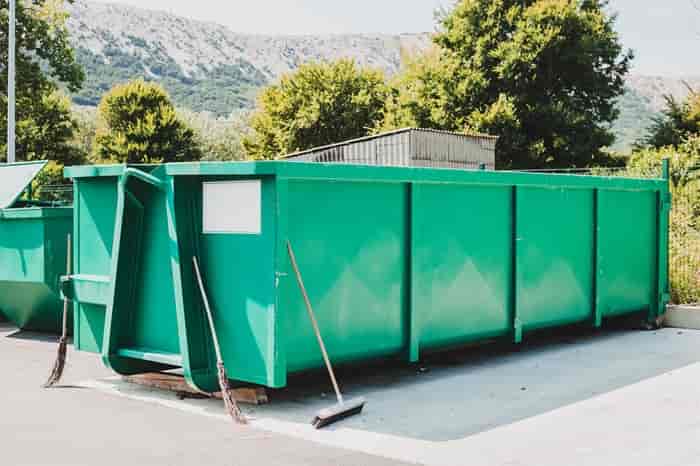
Hiring a skip bin can make clean-ups, renovations and building projects much easier. Instead of loading the car or trailer again and again, you can keep the waste in one place and have it collected when the job is done.
But one of the most common questions people have is whether they need a mini skip bin or a larger one. A mini skip can be perfect for small household jobs, but it is not always the best choice. If you underestimate the amount of waste, you may end up needing a second bin, paying extra, or creating more hassle than you expected.
Choosing the right size from the start can save time, money and frustration. Here is how to know when a large skip bin makes more sense than a mini one.
Start with the Type of Project
The first thing to consider is the project itself. Small jobs usually create less waste, while larger jobs can fill a bin much faster than expected.
A mini skip bin may be suitable for a small declutter, a few bags of household rubbish, light garden waste or clearing out a cupboard. But if you are renovating, moving house, cleaning out a garage or dealing with bulky items, a larger skip bin may be the better choice.
It is easy to underestimate waste when everything is still spread around the house or yard. Once items are pulled apart, stacked and loaded, the volume can grow quickly.
You Are Renovating a Room
Renovation waste takes up more room than many people expect. Even a small bathroom or laundry renovation can create a surprising amount of debris.
Old tiles, cabinets, plasterboard, timber, packaging, fixtures, pipes, fittings and flooring can quickly fill a mini skip. If you are renovating a kitchen, bathroom, laundry, bedroom or living area, a larger skip bin is often more practical.
The bigger bin gives you space to work without constantly worrying about overfilling it. It also helps keep the site cleaner and safer by giving trades and homeowners one clear place for waste.
You Have Bulky Items to Dispose Of
Mini skips are useful for small loose waste, but they can fill very quickly with bulky items. Old furniture, mattresses, wardrobes, doors, shelving, outdoor furniture and large boxes can take up a lot of space even if they are not especially heavy.
If you are clearing a spare room, garage, shed or deceased estate, a larger skip bin may be more cost-effective. You can break down bulky items where possible, but some things still need more room.
A mini skip may look cheaper at first, but if it only fits a few large items, it may not be the best value.
You Are Moving House
Moving house is one of the best times to hire a skip bin. It is also one of the easiest times to underestimate how much waste you have.
As you pack, you may find broken items, old toys, unused furniture, worn-out appliances, garden waste, damaged boxes and things you simply do not want to move to the new place.
A mini skip may work if you have already decluttered and only need to throw out a few final items. But if you are doing a full pre-move clean-out, a larger skip bin can make the process much easier.
It gives you room to make decisions quickly without creating piles of rubbish around the property.
You Are Clearing Out a Garage or Shed
Garages and sheds are famous for collecting things that do not have a proper place. Old tools, timber offcuts, paint tins, boxes, camping gear, broken furniture, garden equipment and general household overflow can build up for years.
Once you start pulling everything out, it often becomes clear that a mini skip will not be enough. A larger skip bin gives you enough space to deal with the job properly.
Before booking, remember that some items may not be allowed in standard skip bins, such as chemicals, paint, batteries or gas bottles. Always check with the provider if you are unsure.
You Are Doing a Garden Makeover
Green waste can take up a lot of room, especially if you are removing branches, shrubs, palm fronds, old lawn, soil or garden edging.
A mini skip may be fine for a light tidy-up, such as pruning, leaves and small branches. But if you are landscaping, removing overgrown plants or clearing a large backyard, a bigger bin may be needed.
Branches and green waste do not always pack down neatly. Unless you cut everything into smaller pieces, you may lose a lot of bin space quickly.
If soil, sand, bricks or pavers are involved, also check weight limits. Heavy waste may need a specific bin type.
You Are Dealing with Building Waste
Building waste is another situation where a larger skip bin may be necessary. Timber, plasterboard, bricks, tiles, concrete, metal, packaging and offcuts can all add up quickly on a worksite.
A mini skip may be useful for small repair jobs or light waste, but it is usually not enough for larger construction work.
For builders, tradies and renovators, having the right skip bin on site helps keep the area safer and more organised. It also reduces the time spent handling waste multiple times.
You Want to Avoid Ordering a Second Bin
One reason to choose a larger skip bin is simple: it may be cheaper than needing two smaller ones.
If you book a mini skip and run out of room halfway through the job, you may need another bin delivered and collected. That can add cost and delay the project.
A slightly larger bin gives you breathing room. You do not need to cram items above the rim or stop work while waiting for another collection.
If you are unsure between two sizes, it is often better to go one size up, especially for renovation, moving or bulky waste.
You Need the Job Done Quickly
If you only have a weekend to clear the property, a larger skip bin can help you move faster. You can load waste as you go rather than carefully rationing space in a smaller bin.
This is useful when you have family helping, trades on site or a deadline to meet. A bigger bin means fewer decisions about what will fit and less time spent trying to pack everything perfectly.
For time-sensitive projects, convenience is a major part of the value.
Think About Space for Delivery
Before choosing a larger skip bin, make sure there is enough space for delivery and collection. The truck will need safe access, and the bin should be placed on a stable, level area.
A driveway is usually ideal. If the bin needs to go on the verge or road, council rules or permits may apply depending on your location.
Large skip bins need more room, so it is worth checking access before booking. Low trees, narrow driveways, parked cars, steep slopes and overhead wires can all create issues.
Watch the Weight Limits
A large skip bin gives you more volume, but that does not mean it can be filled with unlimited heavy material.
Soil, concrete, bricks, tiles, sand and rubble can become extremely heavy. These materials may require a specific heavy waste bin and should not always be mixed with general rubbish.
If you are disposing of heavy waste, tell the Canning Vale skip bin provider before booking. They can recommend the right size and type so the bin can be collected safely.
Do Not Overfill the Bin
Whether you choose a mini skip or a large skip bin, it should not be filled above the rim. Overfilled bins can be unsafe to transport and may not be collected until the load is reduced.
A larger bin can help avoid this problem, especially when you are dealing with bulky or awkward items. It gives you more space to load properly without piling waste too high.
Choosing the Right Skip Bin Size
The best skip bin size depends on your project, waste type, available space and how much rubbish you expect to generate.
A mini skip is usually best for small, simple jobs. A large skip bin is often better for renovations, moving house, garage clear-outs, landscaping, building waste and bulky items.











