

When people think about making a home more comfortable, insulation is usually one of the first upgrades that comes to mind. It helps keep heat out in summer, warmth in during winter and can make the whole home feel easier to live in. But once you start looking into insulation batts, you will quickly notice there are different products for different parts of the house.
Ceiling batts and wall batts may look similar at first, but they are not used in exactly the same way. They sit in different parts of the home, serve slightly different purposes and may require different thicknesses, ratings and installation methods.
If you are building, renovating or upgrading an older home, understanding the difference between ceiling and wall insulation batts can help you make a better choice.
What Are Insulation Batts?
Insulation batts are pre-cut sections of insulating material designed to fit between framing, such as ceiling joists, roof spaces and wall studs. They are commonly made from materials such as glasswool, polyester, rockwool or other fibre-based products.
The main job of insulation batts is to slow the movement of heat. In summer, they help reduce heat entering the home. In winter, they help reduce heat escaping. This makes it easier to maintain a comfortable indoor temperature and can reduce pressure on heating and cooling systems. Batts can also help with sound control, depending on the material and where they are installed.
What Are Ceiling Insulation Batts?
Ceiling insulation batts are installed above the ceiling, usually in the roof space. They sit between or over ceiling joists and create a thermal barrier between the living areas below and the roof cavity above.
This is one of the most important areas to insulate because a large amount of heat can move through the ceiling. In summer, roof spaces can become extremely hot, and without proper ceiling insulation, that heat can transfer into the rooms below. In winter, warm indoor air can escape upward through the ceiling. For many homes, ceiling insulation is one of the most effective upgrades for improving comfort.
What Are Wall Insulation Batts?
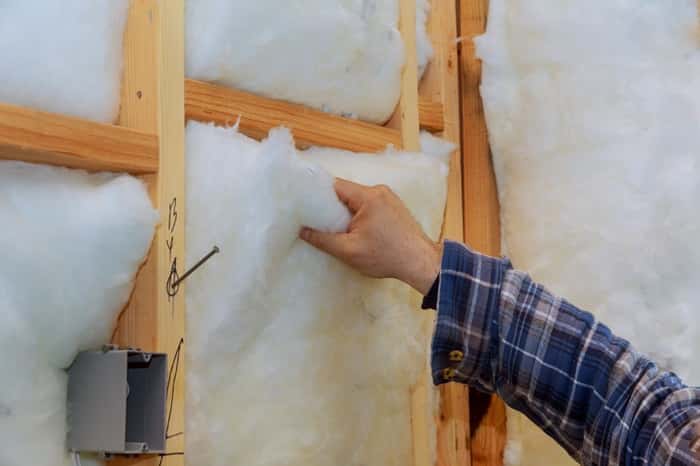
Wall insulation batts are installed inside external walls, between the wall studs. Their job is to reduce heat transfer through the walls of the home.
External walls are exposed to sun, wind and outdoor temperature changes, so wall insulation helps keep indoor temperatures more stable. It can also reduce noise from outside, which is useful for homes near busy roads, schools, parks or noisy neighbours.
Wall batts are most commonly installed during construction or renovation, when the wall cavities are open. Retrofitting wall insulation into existing walls can be more difficult, depending on the construction type.
The Main Difference Is Location
The biggest difference between ceiling and wall insulation batts is where they are installed.
Ceiling batts go above the ceiling and protect the living space from heat transfer through the roof area. Wall batts go inside the external walls and help protect the home from heat transfer through the sides of the building.
Both are important, but ceiling insulation is often the first priority in many homes because heat transfer through the roof and ceiling can be significant. Wall insulation adds another layer of comfort and is especially valuable in new builds, extensions and major renovations.
Ceiling Batts Usually Need Higher Thermal Performance
Insulation is often compared using an R-value, which measures thermal resistance. The higher the R-value, the better the insulation is at resisting heat flow.
Ceiling insulation usually requires a higher R-value than wall insulation because the roof space is exposed to more extreme heat. In hot climates, the roof cavity can become much hotter than the outside air, so ceiling batts need to work hard to protect the rooms below.
Wall batts still need good thermal performance, but they are often thinner because wall cavities have less space than ceiling areas. The available depth between wall studs can limit the thickness of the batt.
Thickness and Fit Are Different
Ceiling spaces usually allow for thicker insulation batts because there is more room above the ceiling. This makes it easier to install higher R-value products.
Wall cavities, however, are limited by the depth of the framing. Wall batts need to fit neatly between studs without being compressed too much. If insulation is squashed into a space that is too small, it may not perform as well.
A good fit is essential. Gaps, folds, compression or poorly cut sections can reduce the effectiveness of the insulation. Batts should sit snugly in place without leaving uncovered areas.
Installation Timing Can Be Different
Ceiling insulation can often be added to existing homes, provided there is safe access to the roof space. This makes it a common upgrade for older properties that are too hot in summer or cold in winter.
Wall insulation is usually easiest to install during construction, renovation or when internal linings are removed. Once walls are closed up, adding batts becomes more complicated. Some homes may be suitable for blow-in wall insulation, but traditional wall batts generally need open wall cavities.
If you are renovating, it is worth thinking ahead. When walls are open, it is a great opportunity to add wall insulation before the plasterboard or lining goes back on.
Sound Control Benefits
Both ceiling and wall insulation can help with noise, but they tend to manage different types of sound.
Wall insulation can help reduce noise entering from outside or travelling between rooms, depending on where it is installed. This can be useful for bedrooms, home offices, bathrooms and shared walls.
Ceiling insulation can help reduce some noise from roof spaces, rain, aircraft or rooms above, depending on the home’s layout. In multi-storey homes, insulation between floors may also help reduce sound transfer.
If noise reduction is a major goal, ask about acoustic insulation batts rather than relying only on standard thermal batts. Acoustic products are designed specifically to absorb sound.
Moisture and Ventilation Still Matter
Insulation batts help with temperature control, but they need to be installed correctly so they do not create moisture issues. Roof spaces and wall cavities still need appropriate ventilation and moisture management.
Poor ventilation, roof leaks, condensation or water entering wall cavities can affect insulation performance and may lead to mould or damage over time.
Before installing batts, any leaks or moisture problems should be fixed. Insulation should never be used to cover up an existing issue. A dry, well-ventilated space will help the insulation perform properly and last longer.
Should You Insulate the Ceiling or Walls First?
If you are upgrading an existing home and need to prioritise, ceiling insulation is often the first place to start. It can have a noticeable impact on comfort because the roof space is such a major source of heat gain and heat loss.
Wall insulation is also valuable, but it is often easier to include during building or renovation work. If you are already opening walls, it makes sense to install wall batts while you have the chance.
For the best result, a home should have both ceiling and wall insulation. They work together to create a more complete thermal envelope around the living space.
Choosing the Right Insulation Batts
The right product depends on your climate, home design, budget and goals. Some batts are designed mainly for thermal performance, while others focus on acoustic comfort or fire resistance.
Glasswool batts are common and cost-effective. Polyester batts are popular with people who prefer a softer, low-irritant option. Rockwool batts can offer strong acoustic and fire-resistant properties, depending on the product.
Whatever material you choose, make sure it is suitable for the area where it will be installed. Ceiling batts should be chosen for roof space conditions, while wall batts need to fit correctly within wall framing.
Professional Installation vs DIY
Some homeowners choose to install ceiling batts themselves, especially in accessible roof spaces. However, working in a roof cavity can be uncomfortable and potentially dangerous. You need to avoid electrical wiring, ceiling damage, pests, sharp materials and heat stress.
Wall batts are usually best installed during construction or renovation by someone who understands proper fitment, services in the wall cavity and building requirements.
Professional installation can help ensure the batts are fitted correctly, with fewer gaps and better overall performance. Poor installation can reduce the benefit of even high-quality insulation.
A More Comfortable Home Starts with the Right Insulation
Ceiling and wall insulation batts both help make a home more comfortable, but they do different jobs. Ceiling batts protect the rooms below from heat moving through the roof space, while wall batts reduce heat transfer through external walls.
Ceiling insulation is often the first priority for existing homes, especially where roof heat is a major issue. Wall insulation is especially important in new builds, extensions and renovations where the wall cavities are accessible.
When choosing insulation batts, think about where they will be installed, the R-value needed, the available space and whether thermal comfort, sound control or both are the main goals.
The best result usually comes from insulating the home as a whole. With the right ceiling and wall batts installed properly, your home can feel cooler in summer, warmer in winter and more comfortable all year round. Find quality insulation batts here.











