

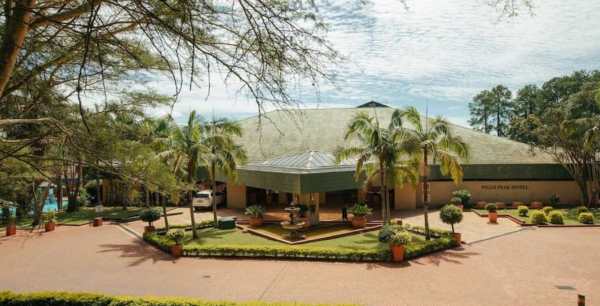
In a significant move to solidify the Kingdom’s position as a leader in ethical travel, Eswatini recently successfully hosted the 3rd International Responsible Tourism Conference at the Piggs Peak Hotel. Bringing together a diverse coalition of policymakers, industry titans and community leaders, the event served as a critical forum for moving beyond sustainability rhetoric toward measurable, community-focused impact.
The conference, themed “Creating Shared Value: From Action to Impact,” arrives at a pivotal moment for Eswatini’s tourism sector. As global travellers increasingly prioritise destinations that respect both people and the planet, the Kingdom is positioning itself not just as a scenic getaway, but as a model for how tourism can serve as a primary engine for rural development and environmental conservation.
The virtual address was delivered by Dr Harold Goodwin and other high-profile government and tourism professionals were part of the panel discussions. The conference was attended by Eswatini Government officials from Ministry of Tourism and Environmental Affairs, Ministry of Commerce, Industry & Trade, Ministry of Natural Resources and Energy Eswatini, Ministry of Public Works and Transport, Hospitality and Tourism Association of Eswatini (Hotaes), Piggs Peak Town Council, Queen Bee Eswatini, Jubukweni Community Tours and Ngwenya Glass Eswatini representatives travel professionals and members of the media.
A Vision of Shared Prosperity
The proceedings were officially opened by the Minister for Tourism and Environmental Affairs, Honourable Jane Mkhonta-Simelane. In her keynote address, the Minister emphasized that tourism in Eswatini must do more than just generate revenue; it must create “shared value” a concept where business success and social progress are inextricably linked.
“Our goal is to ensure that the beauty of our landscapes and the richness of our culture translate directly into better lives for our people,” the Minister stated. “By moving from action to impact, we are ensuring that every visitor’s stay contributes to the preservation of our heritage and the economic upliftment of our local communities.”
The Minister was joined by high-level representatives and international experts, including Emeritus Professor Harold Goodwin, a global pioneer in the Responsible Tourism movement. Goodwin, who has been instrumental in the “Responsible Tourism in Destinations” (RTD) series, facilitated sessions focused on accountability and the use of audited accounts to prove social and environmental claims.
From Global Theory to Local Action
Sponsored by the Piggs Peak Hotel, the conference is part of a prestigious international series of RTD events. This year’s iteration was unique for its heavy focus on practical case studies within Eswatini.
The agenda moved beyond broad theories to highlight specific Eswatini success stories and emerging opportunities:
- Ngwenya Glass- A former WTM Africa Responsible Tourism Award winner, showcased as a benchmark for turning traditional craftsmanship into a world-class sustainable asset.
- The LoNa Project- Discussions on the Lomahasha and Namaacha cross-border water supply project highlighted how tourism infrastructure can solve basic resource needs for local residents.
- Community Tourism- Presentations featured the Jubukweni Community Tours and the M20 GeoTrail, demonstrating how rural areas can bypass traditional industrial development in favour of high-value, low-impact tourism.
The Role of Piggs Peak as a Hub for Change
Choosing Piggs Peak as the host destination was no coincidence. Located in the scenic northern Hhohho region, the area is a microcosm of the challenges and opportunities facing Eswatini tourism. Surrounded by timber plantations, craft centers and the breathtaking Maguga Dam, Piggs Peak represents the intersection of industrial activity and natural beauty.
The hotel itself has become a central partner in this movement, acting as more than just a venue but as a stakeholder in the northern circuit’s development. The conference explored the Piggs Peak Flora Reserve Certification, a move that would further protect the unique biodiversity of the region while creating “green jobs” for the youth.
The introduction of virtual delegates for the first time allowed Eswatini’s local strategies to be shared with a global audience, proving that even small nations can lead the charge in global climate and social responsibility goals.
A Roadmap for the Future
As the sun set over the mountains of Piggs Peak, the conference concluded with the drafting of a Shared Value Action Framework. This document is not meant to sit on a shelf, it serves as a roadmap for the Ministry and the private sector to align their marketing and operational efforts.
The message from Piggs Peak is clear, Eswatini is open for business, but it is business with a conscience. By focusing on “impact” rather than just “action,” the Kingdom is ensuring that its tourism sector remains resilient, authentic and most importantly profitable for the many, not just the few.











