
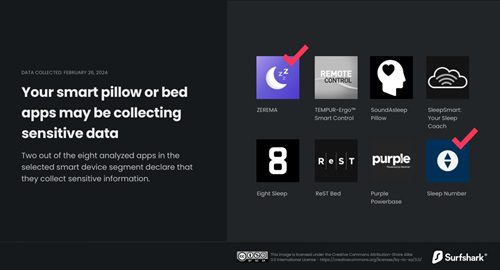
 In the age of smart homes, convenience often comes with hidden costs. A startling new study from cybersecurity firm Surfshark has uncovered alarming privacy risks associated with smart bedroom devices, raising urgent concerns about the safety of your most personal data. These devices, ranging from smart pillows to automated blinds, may be doing more than enhancing your comfort—they could intrude on your private life.
A Look Inside the Data Mine
The study analyzed a range of apps designed to manage smart bedroom devices and found that, on average, these apps collect six different data points per user. Some of the most data-intensive apps, such as Eight Sleep and LG ThinQ, collect more than double that amount. Among the information they gather are highly sensitive personal details, including racial or ethnic background, sexual orientation, pregnancy or childbirth information, and even political opinions.
While 20% of the apps, such as SoundAsleep Pillow and TEMPUR-Ergo™, claim not to collect data, others raise red flags by accessing email content, photos, videos, and precise locations. Alarmingly, apps like Sleep Number and ZEREMA fall under the “sleep and comfort” category yet harvest sensitive user data. Even mindfulness-focused apps such as Headspace and RISE were found to track users extensively, collecting an average of nine data points.
The Real Privacy Cost
“It’s deeply concerning that some smart bedroom apps are gathering such sensitive personal information,” says Goda Sukackaite, Privacy Counsel at Surfshark. “The implications go far beyond basic data collection. These practices risk exposing users to data theft, security breaches, and unauthorized dissemination of their personal information to third parties.”
The revelation that even intimate spaces like bedrooms are not immune to surveillance underscores the broader issue of unchecked data collection in today’s tech ecosystem. This means users’ most personal moments could become part of a data profile shared or sold without consent.
How to Safeguard Your Privacy
To protect yourself from invasive data practices, experts recommend proactive steps to safeguard your privacy:
- Manage App Permissions: Review and restrict app permissions to ensure they access only necessary features.
- Disable Unnecessary Features: Turn off microphones, cameras, or other invasive functionalities when unnecessary.
- Choose Privacy-First Apps: Opt for apps with clear, user-friendly privacy policies and minimal data collection.
- Stay Informed: Regularly check for updates on data security policies for the devices and apps you use.
- Use Strong Passwords and Encryption: Protect your smart devices with robust passwords and consider encrypting sensitive data.
“Being informed and vigilant is your first line of defense,” Sukackaite emphasizes. “Consumers must demand greater transparency and accountability from manufacturers and developers.”
The Industry’s Role in Accountability
The responsibility doesn’t rest solely on users. Device manufacturers and app developers must prioritize user privacy by adopting stricter data collection standards and making privacy settings more accessible. Regulatory frameworks must also evolve to hold companies accountable for exploiting personal data.
Final Thoughts
As smart bedroom devices continue to integrate into daily life, the importance of protecting user privacy cannot be overstated. From tracking sleep patterns to automating window shades, these devices can potentially improve lives. However, they risk exposing users to significant privacy vulnerabilities without robust safeguards.
To stay ahead of the curve, users must actively monitor the privacy policies of their smart devices while calling for stronger regulations that ensure accountability and transparency. Remember, the convenience of smart tech should never come at the expense of your privacy.
Written by: Christine Nguyen