

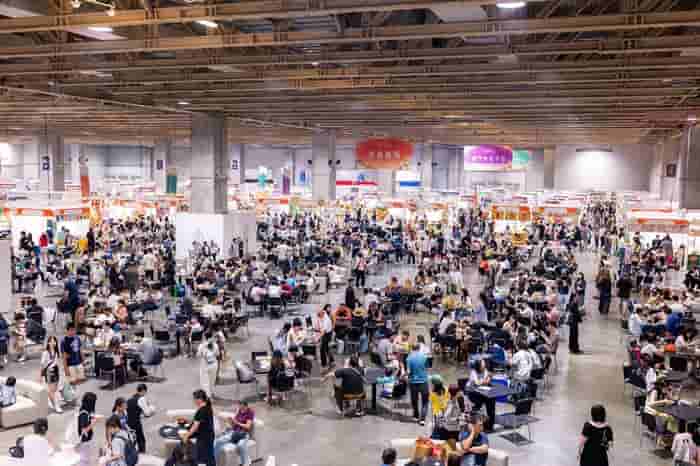
Macao’s retail scene hit a new high as the 2026 Sands Shopping Carnival drew nearly 160,000 visits in four days.
The event ran from 23 to 26 July at The Venetian Macao’s Cotai Expo. It was the seventh carnival since the program began in 2020. This year’s result was the strongest annual figure on record. Total visits across all seven editions have now passed 800,000.
That is a striking rise for an event born during the pandemic. What began as a way to help small firms find buyers has grown into one of Macao’s biggest summer drawcards. It now blends trade, tourism, food, sport, music and family fun under one very large roof.
More than 580 booths filled eight themed zones. Local small and medium-sized enterprises traded beside Sands retailers, community groups, global brands and creative firms from the Greater Bay Area.
Sands China says it has offered 4,000 free booths to local businesses since the carnival began. That support removes a major cost for small operators. It also gives them a direct path to new buyers.
This is where the event earns its place in Macao’s wider visitor economy. It is not just a sale with louder signs and longer queues. It is a working shopfront for local enterprise.
A big floor for small business
For an SME, a free booth can do far more than lift sales for a weekend. It can test a product, price, label or sales pitch. It can show which goods draw interest and which ones gather dust.
It also gives owners face-to-face feedback. That is often worth more than a dozen online surveys and at least three meetings that should have been emails.
The carnival brought in residents as well as visitors from Hong Kong and the wider Greater Bay Area. That gave small brands access to a broad pool of buyers. It also helped firms build their name beyond Macao.
Sands China executive vice-chairman Dr Wilfred Wong called the carnival “a testament to the perseverance and growth of the city’s SMEs, while embodying the spirit of solidarity that brings the Macao community together.”
His point is clear. The crowd figure matters, but so does the value created behind each booth.
The event also fits the Macao SAR Government’s “Tourism+” policy. That plan links tourism with retail, food, sport, culture and events. The carnival brought each of those parts together in one place.
Food, deals and a little pickleball
The eight zones covered household goods, food and wine, local gifts, Sands stores, arts and crafts, family play and sport.
The food court was the largest in the event’s history. It featured 58 popular local eateries. Visitors could taste a broad slice of Macao without crossing half the city to do it. Their feet, no doubt, were grateful.
There were also strong retail offers. More than 5,000 selected goods were priced at MOP1 each day. Some items were cut by up to 90 per cent.
Those deals helped draw crowds. Yet the deeper gain came from the flow of buyers past local booths. For a young brand, that kind of foot traffic can be hard to buy.
The new Sports Experience Zone added more energy. Guests could try pickleball or take part in a basketball shooting test. The activity also served as an early lead-in to the NBA China Games, due at The Venetian Arena in October.
The Cultural and Creative Zone also grew. For the first time, it welcomed a wider mix of brands from across the Greater Bay Area. That gave makers and designers a fresh stage for sales and new contacts.
Songs, children and community
Music helped keep the halls lively. The Greater Bay Area Karaoke King Singing Competition drew close to 150 entrants. More than half came from Hong Kong.
The Busking Corner gave members of the public a chance to perform. Skilled singers also appeared on stage. It was retail with a soundtrack, and the microphone was rarely lonely.
Families had plenty to do as well. The Little Master Chef Workshop returned with help from the Sands China food and beverage team. Parents and children cooked together, learned new skills and had some fun in the process.
The workshop has drawn nearly 3,000 people over seven years.
The “Play and Fun” Kids Area added inflatables, games and other activities. That helped turn the carnival into a full family outing, not just a shopping stop.
The social side of the event was just as important. A record 20 local service groups took part. Their work covered youth support, animal welfare, rehabilitation and aid for people in need.
Trainees and people with special learning needs sold handmade goods and spoke with customers. They gained real work skills and greater confidence.
This gave the carnival a wider purpose. Trade and inclusion did not sit in separate corners. They worked side by side.
A win for Macao’s event economy
Sands China organised the carnival with the Macao Chamber of Commerce. The event also had support from key government bodies, including the Macao Government Tourism Office, the Economic and Technological Development Bureau and the Commerce and Investment Promotion Institute.
That joint effort matters. Large events can spread value well beyond the venue. They can help shops, food firms, transport providers and hotels. They can also give visitors another reason to stay longer.
The record result should still be read with care. The published figure is nearly 160,000 visits, not necessarily 160,000 individual people. It also does not reveal the total value of sales generated during the event.
Even so, the scale is hard to dismiss. The event filled the Cotai Expo, backed hundreds of traders and drew buyers from across the region.
After seven editions, the Sands Shopping Carnival has moved well beyond its pandemic roots. It is now a firm part of Macao’s summer calendar and a useful model for local business support.
Macao has never been short of sparkle. The clever part is turning that sparkle into jobs, trade and lasting links. On this showing, the Sands Shopping Carnival is doing just that.
By: Soo James – © 2026.
Read Time: 5 minutes.
Author Bio:
 There’s nothing rehearsed about Soo James, and that’s precisely the point. Malaysian by heritage, Sydney by schooling, she arrived at UNSW to study Arts, then took a left turn into IT, not out of ambition, but curiosity. Somewhere among systems and schedules, she worked out what really held her attention: people, language, and the quiet spaces between them.
Writing followed naturally. Travel and lifestyle gave her room to observe, to listen, to notice the details others rush past. Soo writes the way good travellers move, watching the room before admiring the view, catching the gesture before chasing the headline.
At Global Travel Media, her stories don’t shout or sell. They linger. They slow you down, open a door, and gently suggest there’s more to see if you’re willing to look.











