

Some hotel groups trumpet every milestone. Centara has never really been one of them.
Thailand’s largest homegrown operator tends to move with less fanfare, a little more substance, a little less theatre. And that’s precisely why its latest numbers deserve a closer look.
Because behind the polite headlines sits a company that’s quietly tightening its grip on the future.
In 2025, Centara nudged revenue up 10% to THB 12.3 billion. Not a blow-the-doors-off result, but a solid showing in a year when the global travel mood swung between cautious optimism and lingering turbulence.
More interesting than the topline, though, is how it got there.
Maldives: The Turning Point
If there was a moment when Centara’s trajectory subtly shifted, it was the Maldives.
The opening of The Atollia by Centara Hotels & Resorts, including Centara Grand Lagoon Maldives, wasn’t just another luxury resort launch. It was the kind of project that quietly changes how the market sees you.
Suddenly, Centara didn’t just look regional. It looked global.
Room rates edged upward, RevPAR followed, and the brand picked up a little extra shine in the process. Yes, profits softened slightly thanks to development costs, but anyone who’s watched hotel cycles knows that’s the price of building tomorrow’s inventory.
In other words, the dip was less a stumble and more an investment.
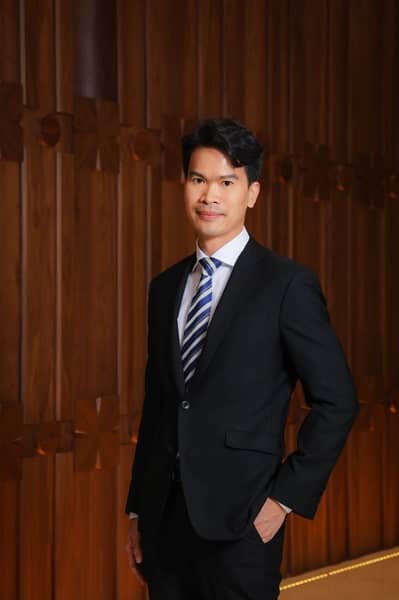
Gun Srisompong, Chief Financial Officer of Centara Hotels & Resorts
A Small Opening with Big Signals
Fast forward to 2026, and the first move on the board wasn’t a mega-resort. It was Nepal.
The Himalayan Hideaway Resort Pokhara is modest in scale, but strategically, it says plenty. Smaller, experience-led, slightly off the mainstream trail, exactly the kind of property that resonates with travellers who’ve already “done” the obvious destinations.
It also hints at a broader mindset shift.
Centara isn’t just chasing room counts anymore. It’s curating a map.
Japan is next cab off the rank, with Osaka’s Centara Life Namba Hotel poised to test the waters in one of Asia’s most competitive markets. Vietnam will see a hefty room injection via new openings in Van Don, while Thailand continues to provide the ballast with steady domestic additions.
No fireworks. Just careful plotting.
Reinvention Without Reinventing the Wheel
Perhaps the more telling story sits inside the existing portfolio.
Rather than endlessly chasing new builds, Centara has started reworking some of its best-known addresses, a quiet acknowledgement that even heritage brands need the occasional refresh.
The evolution of Centara Grand Beach Resort & Villas Krabi into Centara Reserve Krabi is a case in point. The Reserve label is the group’s attempt to bottle something more intimate, more curated, a little less mass-market.
Fewer wristbands. More nuance.
It’s a shift you can see across the industry, but Centara’s version feels less forced than most, possibly because the brand has always leaned toward family warmth rather than corporate gloss.
Still a Relationship Business
One of the more refreshing aspects of Centara’s strategy is how stubbornly traditional parts of it remain.
While plenty of hotel groups talk about digital funnels and data lakes, Centara is still pounding the pavement with good old-fashioned trade roadshows. Eighteen countries on the itinerary this year, reconnecting with partners in an analogue way.
Call it old school, but it works.
The upcoming Osaka opening is expected to stir new interest across North Asia and the US, adding another layer to a source market mix that’s already pleasingly diverse.
And in an industry that loves to reinvent terminology every five minutes, it’s nice to be reminded that relationships still close deals.
Technology, But Make It Sensible
That’s not to say Centara is ignoring the digital curve.
Behind the scenes, there’s been a steady build-out of infrastructure data platforms, booking tech, and a mobile app that’s already pulled in more than 100,000 downloads. The aim isn’t to dazzle guests with gimmicks, but to quietly smooth the edges of the experience.
The distinction matters.
In hospitality, technology works best when guests barely notice it’s there.
Centara seems to understand that.
Sustainability That Feels Grounded
Then there’s sustainability, the space where marketing departments often sprint ahead of reality.
Centara’s progress here feels less glossy and more practical. Energy use down, emissions trimmed, solar rollout expanding across multiple properties. Not revolutionary in isolation, but collectively meaningful.
The standout achievement is full Global Sustainable Tourism Council certification across the portfolio, a first for a Thai hotel group and a credible badge in a market increasingly allergic to greenwashing.
Add to that internships, inclusive hiring and community programs, and the picture becomes clearer: this isn’t sustainability as a slogan. It’s sustainability as an operating rhythm.
Calm Leadership, Clear Direction
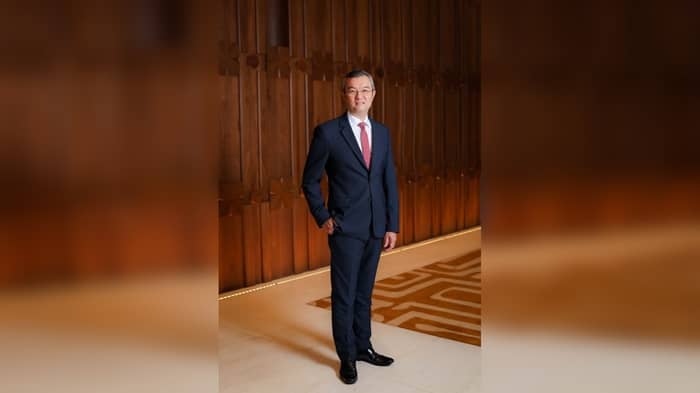
At the centre of it all sits CEO Thirayuth Chirathivat, who continues to favour understatement over showmanship.
“2025 was a highly productive year for Centara, despite ongoing headwinds across the global travel and hospitality sector,” he said, adding that the company remains on track to become a top 100 global hotel group by 2027.
Ambitious, yes. But delivered without chest-beating.
Which, in many ways, mirrors the brand itself.
The Slow Burn Advantage
Zoom out, and Centara’s trajectory feels almost unfashionable in the best possible way.
While parts of the hotel world chase lightning-fast growth and asset-light gymnastics, here’s a company still playing the long game, investing in bricks, people and patience.
There’s a certain reassurance in that.
Because travel, for all its talk of disruption, is still built on trust. And trust is rarely built quickly.
Centara may not dominate headlines every quarter. But as its footprint quietly widens from Nepal today to Japan tomorrow, the direction of travel feels unmistakable.
Steady. Deliberate. Unmistakably Thai.
And very much still moving.
More: https://www.centarahotelsresorts.com.
by Karuna Johnson – (c) 2026.
Read Time: 5 minutes.
About the Writer.
 Karuna Johnson’s career only makes sense if you know she truly loves travel. Born Thai, with dual citizenship, she moves easily between worlds, equally at home sharing street food in Bangkok or sitting quietly through a Sydney boardroom meeting.
Educated in both Thailand and Australia, she speaks several languages and has applied them across destination management companies and hotels, spanning sales and administration. She’s the sort who keeps things running smoothly while others are still waking up.
Her journeys have taken her across Asia, Europe, and the United States, but it’s the smaller details that stay with her: people, customs, and the stories beneath every trip.
Worldly without being showy, Karuna brings a steady, thoughtful voice to Global Travel Media, exactly the kind of travel needs.











