
In a move that will have frequent flyers rummaging through their carry-ons, Emirates has announced it will ban the use of power banks on board all its flights from 1 October 2025.
That’s right, those pocket-sized lifesavers for your dying phone will now be for ground use only. Passengers may bring one aboard, but it must stay as inert as a sleeping koala until you land.
The announcement marks a sharp tightening of safety regulations in response to a worrying spike in lithium battery-related incidents across the airline industry. And Emirates, never shy of playing the long game regarding safety, is moving early and decisively.
The New Rules in Brief
From October, Emirates customers may carry only one power bank, provided:
-
It’s under 100 Watt Hours.
-
It’s not used to charge any devices in-flight.
-
It’s not charged from the aircraft’s power supply.
-
Its capacity rating is marked.
-
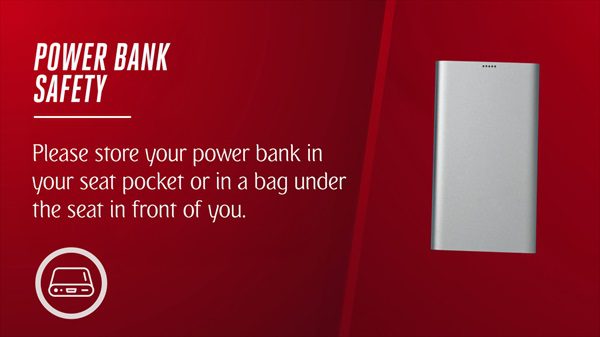
It’s not placed in overhead lockers — instead, it must be in your seat pocket or under the seat ahead.
-
It’s never in checked baggage (that one’s been a rule for years).
The ban applies to all cabins, from economy to first class. Champagne is still permitted, but don’t try to plug your phone into it.
Why Now? Safety First, Always
The decision comes after a comprehensive safety review found a sharp rise in power bank use, and with it, more incidents involving lithium batteries. Emirates’ safety specialists have zeroed in on the thermal runaway phenomenon, a chain reaction that can turn a harmless gadget into a mini blowtorch.
Power banks typically house lithium-ion or lithium-polymer cells. Lithium ions swim in an electrolyte, shuttling between electrodes as they charge and discharge. But if damaged or overcharged, the chemistry can spiral out of control. Temperatures skyrocket, flammable gases are released, and before you can say “seatbelt sign on”, you’ve got a potential fire hazard in the cabin.
Most smartphones and top-end devices have clever circuitry to prevent overcharging. Many cheaper power banks, however, do not. Emirates is stepping in because of that gap in safety standards.
Cabin Access is Key
One subtle but important detail in the new rules is where you keep your power bank. It must now be stored within easy reach, in a pocket or bag under the seat ahead, not buried in an overhead bin.
This isn’t just fussiness. If a power bank were to overheat or ignite, cabin crew need immediate access to smother the flames. Emirates’ crew are trained to handle such incidents, but seconds matter.
An Industry Trend
Emirates isn’t the first airline to tighten rules on lithium batteries, and it won’t be the last. The International Civil Aviation Organisation (ICAO) has long flagged lithium cells as a fire risk, and many carriers have already banned certain battery types from being on hold.
What Emirates is doing differently is drawing a firm line on in-flight use, eliminating the two most significant risks in one stroke: charging from a potentially faulty power bank, and overloading one from the aircraft’s power system.
Passengers: Adjust Your Routine
For those accustomed to topping up devices mid-air, this will mean a rethink. The practical advice?
-
Charge everything before boarding.
-
Use the aircraft’s built-in USB or power outlets for direct charging.
-
Keep your power bank for the airport lounge, transit stops, or once you’ve landed.
Yes, it’s mildly inconvenient — but then again, so is an unscheduled landing.
Emirates’ Message is Clear
Emirates has always been a flag-bearer for safety in the skies, and this latest rule change reinforces that image. In their words, it’s about “safeguarding customers and staff at all times” — even if that means asking you to wait until touchdown before giving your phone a top-up.
For the complete list of dangerous goods policies, passengers can visit Emirates’ official safety page.
As one Emirates safety officer put it, off the record: “We can’t have people’s carry-on batteries doing a Roman candle impression at 40,000 feet.”
You can’t argue with that.
By Susan Ng