

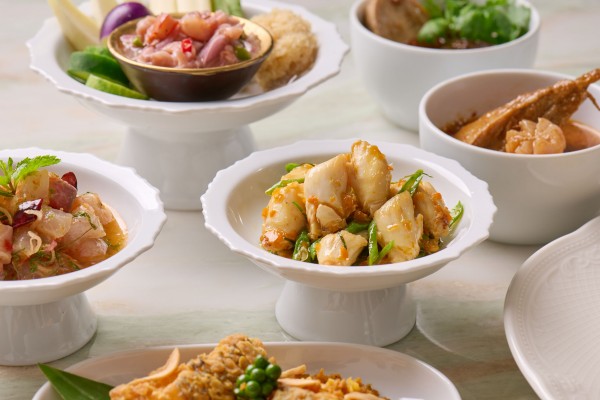
Kwantip – Samrub Thai Dining invites diners to reconnect with the foundations of Thai cuisine through the enduring tradition of Samrub, a complete Thai meal in which contrasting dishes are served together as one harmonious composition.
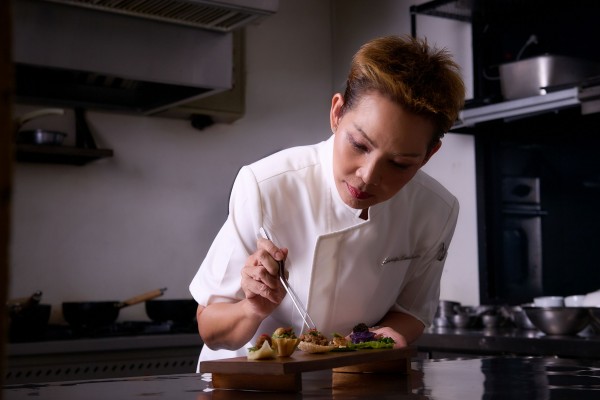
Led by Chef Pom M.L. Kwantip Devakula, Kwantip is rooted in the preservation of Thai culinary knowledge passed down through generations. Drawing on recipes and techniques inherited from her family, including Central Thai palace cuisine from Devavesm Palace passed down by her grandmother and Southern Thai recipes from Thung Song passed down by her mother, Chef Pom presents Thai cuisine as a living heritage rather than a fixed historical artefact.
At the heart of Kwantip’s philosophy are three dimensions of culinary heritage: traditional cooking methods, inherited recipes, and the traditional way of eating. Together, these elements reveal the foundations of Thai cuisine with its attention to balance, understanding of contrasting flavours, and the ability to bring a variety of textures, techniques, and tastes together at the same table.
“Every Thai dish has its own charm and defining flavour that gives it a unique identity,” says Chef Pom. “Each family may prepare a dish differently, but its defining flavour must remain. At Kwantip, we aim to preserve the knowledge and flavours of the dishes my grandmother and mother used to prepare for me. I now prepare these same recipes and flavours for my children and everyone to enjoy, passing down the original tastes from one generation to the next.”
Unlike a Western-style progression of courses, Samrub is traditionally served all at once. Diners move between dishes, combining and contrasting flavours according to the natural rhythm of the meal. Spicy, sour, salty, and sweet elements are enjoyed alongside one another, while different cooking techniques — steaming, frying, currying, and the preparation of relishes — create a complete and balanced dining experience.
Kwantip retains the essence of the traditional Samrub format while presenting each guest with an individual serving. This thoughtful approach allows diners to experience the harmony and balance of a complete Samrub while accommodating individual preferences and dietary requirements, creating a more personalised dining experience.
The result is a hyper-traditional expression of Thai food — one that remains faithful to its culinary roots and does not seek to reinterpret Thai cuisine through a Western fine-dining framework. At Kwantip, heritage is expressed through the integrity of the recipes, the precision of the techniques, and the relationship between every element on the table.
Chef Pom’s approach embraces ingredients from around the world, including Japanese Wagyu, Ama Ebi, caviar and uni. While access to ingredients was limited in the past, their wider availability today continues to inspire her endless curiosity. She believes that any ingredient can be used in traditional Thai cooking, provided there is a deep understanding of both the ingredient and the foundations of Thai cuisine. This approach allows her to elevate each ingredient and dish while preserving its original character and identity. Chef Air Kulapol Samsen, Chef Pom’s youngest son, represents the next generation of the family’s culinary lineage. He supports the continuation of these traditions while contributing to the ongoing life of the cuisine. Together, mother and son create a dialogue between generations, with Chef Pom leading the preservation and storytelling of the family’s culinary heritage.
The menu changes seasonally according to seasonal ingredients. Whether the ingredients come from Thailand or elsewhere, their place within the cuisine is guided by the mastery of Thai flavour, balance, and technique. For Kwantip, authenticity is found in the understanding of what makes a dish Thai, regardless of the exact geographic origins. The focus remains on the method, the balance, the sequence of flavours, and the spirit in which it is prepared.
Kwantip offers diners an opportunity to encounter Thai cuisine at its roots through recipes inherited across generations, techniques refined over time, and Samrub as a traditional way of eating that continues to bring people together.











