

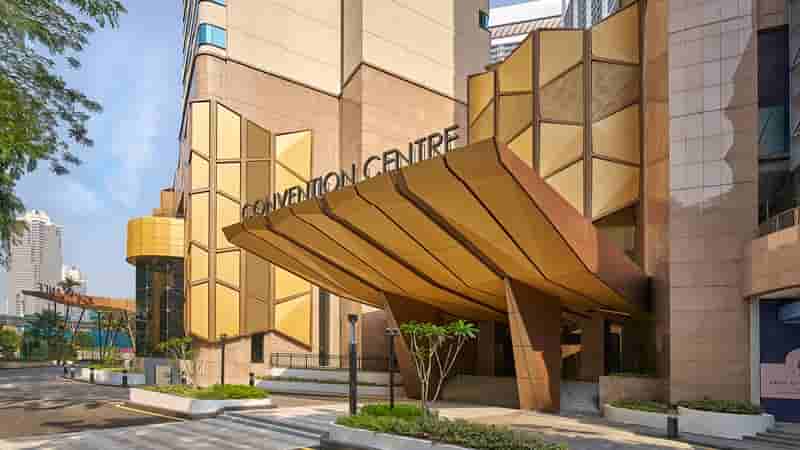
Malaysia has taken a sharper swing at the Asia-Pacific business events market, with Marriott International joining the country’s leading convention bodies to sell something considerably more ambitious than another ballroom, buffet and branded lanyard.
Destination Convention Malaysia, launched at The St. Regis Kuala Lumpur on 8 September, brings Marriott International together with the Malaysia Convention & Exhibition Bureau (MyCEB), Business Events Sarawak (BESarawak) and Sabah Convention Bureau. The aim is straightforward: package Malaysia not as a single convention city, but as a connected collection of destinations capable of hosting meetings, incentives, conferences and exhibitions while giving delegates a reason to stay beyond the closing address.
And that distinction matters.
Across Asia-Pacific, event planners are increasingly being asked to deliver more than efficient registration desks and enough coffee to keep several hundred delegates upright. Programmes are being judged on personalisation, sustainability, wellness, technology, cultural connection and, increasingly, the quality of the experience outside the meeting room.
Malaysia believes that shift plays directly to its strengths.
One Country, Several Very Different Stages
Kuala Lumpur provides the international gateway, major infrastructure and familiar corporate polish. Sarawak and Sabah add rainforest, culture, nature, and incentive possibilities that can turn a conventional conference itinerary into something delegates may actually talk about after returning home.
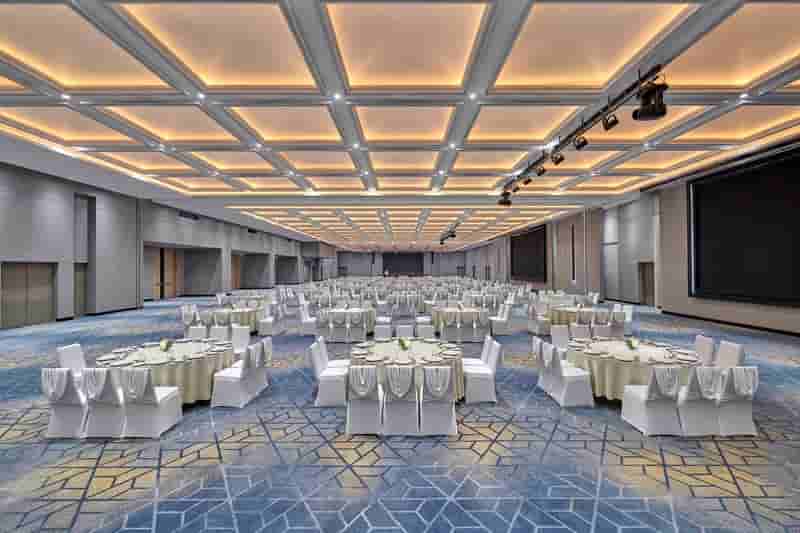
Courtyard by Marriott Kuala Lumpur South – Grand ballroom banquet
Other Malaysian destinations, from Langkawi and Putrajaya to Johor, broaden the menu further.
It is an important part of the proposition because Malaysia does not need to pretend every event wants precisely the same thing. An international association congress, corporate incentive group and executive retreat are very different creatures, even if all three eventually require name badges.
Marriott International Market Vice President for Malaysia George Varughese said the country has “all the ingredients to be a leading business events destination in Asia-Pacific”.
It is a confident claim, but not one without substance.
Malaysia combines international air connectivity, an extensive hotel base, large convention facilities and a remarkably varied collection of urban, resort, cultural and nature-based experiences within one national market.
That gives planners something increasingly valuable: choice without necessarily changing countries.
RM3.98 Billion Pipeline Gives Strategy Some Muscle
The launch also comes at a useful moment for Malaysia’s business events industry.
As of 30 June 2026, MyCEB had secured 416 events scheduled between 2026 and 2030, carrying an estimated economic impact of RM3.98 billion. Those figures give Destination Convention Malaysia something rather more persuasive than an attractive brochure: demonstrable forward business.
For event planners, the proposition is flexibility.

The St. Regis Langkawi – Grand Astor Ballroom – Dinner Setup
A major convention can be anchored in Kuala Lumpur, while incentive extensions, leadership retreats or post-event programmes can be built around other parts of the country. Malaysia is effectively attempting to convert its geographic and cultural variety into a competitive commercial advantage.
That approach reflects a wider shift in the meetings, incentives, conferences and exhibitions (MICE) sector.
Destinations no longer compete solely on room counts, exhibition floor space, and distance from the airport. Those remain essential, of course, but organisers increasingly want experiences that improve delegate engagement, support corporate objectives and deliver a stronger return on attendance.
In other words, nobody is suggesting the plenary session has become optional.
But the days when four walls, a lectern and a respectable chicken lunch could carry an entire destination proposition are steadily disappearing.
Malaysia Wants the Country Sold First
MyCEB Chief Executive Officer Tan Mei Phing said Malaysia’s strong business events pipeline reflected organiser confidence, while the next challenge was to build greater international awareness of what destinations across the country can collectively offer.
She said the partnership could showcase the “collective strength of Malaysia’s business events ecosystem”.
That collective pitch matters because Malaysia competes in one of the world’s most energetic business events regions.
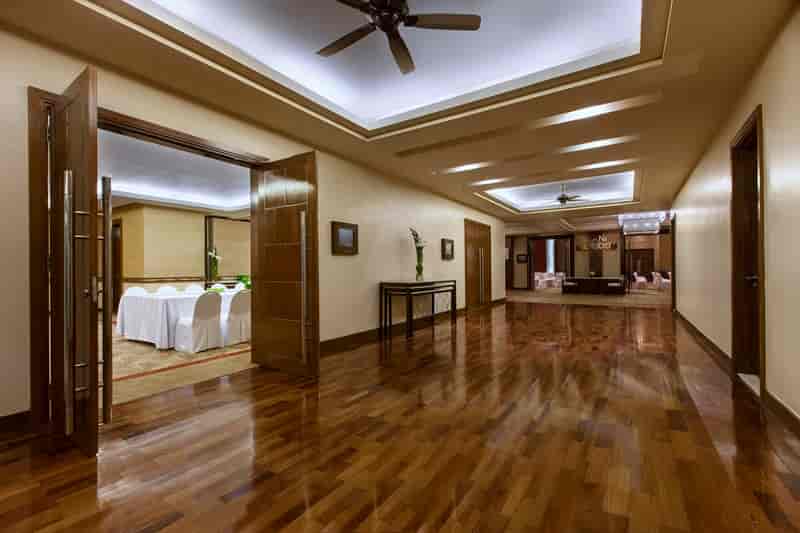
The Westin Langkawi – conference -Convention Hall Foyer
Singapore, Thailand, Japan, South Korea, Australia and other Asia-Pacific markets continue investing in venues, accommodation, incentive products, transport and international event bidding. Malaysia therefore needs more than capacity; it needs differentiation.
Its answer is not simply another convention hall.
The strategy is to present the country as an integrated event canvas, combining infrastructure with culture, cuisine, islands, rainforests, urban experiences and Malaysian hospitality.
An important marketing principle also applies: sell the destination first, then the individual venue.
That philosophy was reinforced during the Kuala Lumpur launch, with industry leaders arguing that Malaysia’s broader destination story needs better communication to international organisers.
Marriott Brings Considerable Hotel Firepower
Marriott’s footprint gives the proposition substantial weight.
The company currently lists 65 hotels across Malaysia, giving planners access to accommodation and event facilities across key business and leisure destinations. Marriott’s live Malaysia inventory also confirms that national footprint.
Its portfolio supports major business-events facilities including the Marriott Putrajaya International Convention Centre, Renaissance Kuala Lumpur Hotel & Convention Centre, Courtyard by Marriott Kuala Lumpur South, Desaru Coast Conference Centre and Langkawi International Convention Centre.
For organisers, this can simplify one of the least glamorous but most important parts of event planning: joining accommodation, meeting space, food and beverage, transport, wellness and off-site activities into one coherent programme.
Nobody receives an industry award for making airport transfers work perfectly, but everyone notices when they don’t.
Beyond Beds, Ballrooms and Breakout Rooms
Destination Convention Malaysia was unveiled during Marriott’s Malaysia Means Business forum at The St. Regis Kuala Lumpur, where representatives from Marriott, MyCEB, BESarawak and Sabah Convention Bureau examined how Malaysia could increase its share of regional business events.
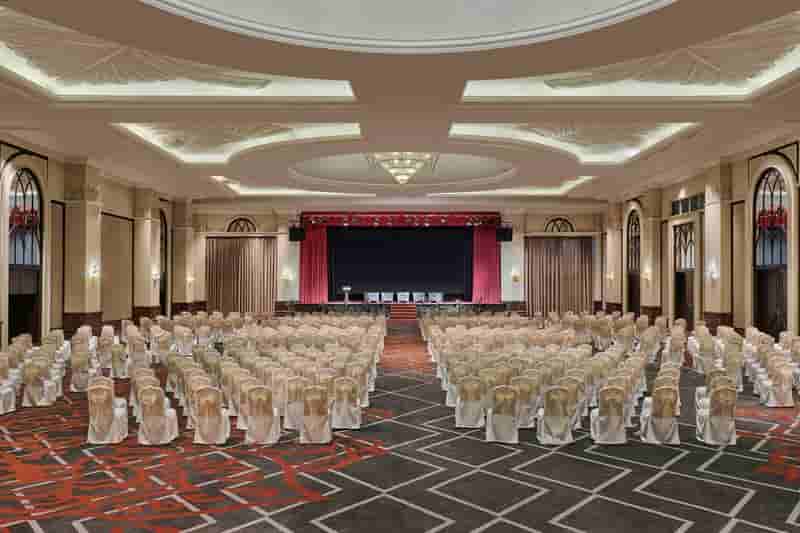
Putrajaya Marriott Hotel – Ballroom Theatre
The most interesting aspect of the initiative, then, is not the hotel inventory alone.
It is the decision to connect venues with the destination experiences surrounding them.
Delegates may appreciate the hotel bed, the ballroom and the breakfast buffet, but they are more likely to remember the rainforest excursion, the food, the people, the view from the conference dinner or an incentive programme that did not feel as though it had been pulled from a corporate template marked “Insert Destination Here”.
Business events have always been about business. Successful destinations increasingly understand, however, that the surrounding experience influences attendance, satisfaction, advocacy and repeat demand.
Malaysia appears determined to capitalise on that change.
Malaysia’s Opportunity Is Bigger Than a Meeting Room
For Malaysia, the opportunity is sizeable.
It already possesses convention infrastructure, recognised international hospitality brands, strong destination diversity and a substantial confirmed pipeline. The challenge is ensuring planners across Asia-Pacific understand how those pieces fit together.
Destination Convention Malaysia is designed to do precisely that: replace a collection of individual selling points with a stronger national proposition.
Sarawak’s official business events organisation already promotes Kuching, Sibu and Miri for conventions, exhibitions, meetings and incentives, while Sabah Convention Bureau is positioning Sabah around the combination of modern infrastructure, cultural experiences and the natural attractions of Malaysian Borneo.
That reinforces the logic behind Marriott’s strategy.
The meeting room still matters. So does the Wi-Fi; naturally, civilisation has its limits.
But Malaysia is betting that tomorrow’s winning business-events destinations will be those that can offer delegates something worth remembering once the PowerPoint presentation has mercifully finished.
If Destination Convention Malaysia succeeds, the country will not merely be asking Asia-Pacific planners to book a ballroom.
It will be asking them to book Malaysia. For more information on Marriott Bonvoy’s convention centres and business events facilities across Malaysia, visit Marriott Bonvoy Malaysia – Convention Centres.
Additional useful links:
-
Marriott Bonvoy Malaysia Convention Centres
-
Malaysia Convention & Exhibition Bureau (MyCEB)
- Business Events Sarawak
-
Sabah Convention Bureau
By: Soo James – © 2026.
Read Time: 4 minutes.
Author Bio:
 There’s nothing rehearsed about Soo James, and that’s precisely the point. Malaysian by heritage, Sydney by schooling, she arrived at UNSW to study Arts, then took a left turn into IT, not out of ambition, but curiosity. Somewhere among systems and schedules, she worked out what really held her attention: people, language, and the quiet spaces between them.
Writing followed naturally. Travel and lifestyle gave her room to observe, to listen, to notice the details others rush past. Soo writes the way good travellers move, watching the room before admiring the view, catching the gesture before chasing the headline.
At Global Travel Media, her stories don’t shout or sell. They linger. They slow you down, open a door, and gently suggest there’s more to see if you’re willing to look.











