

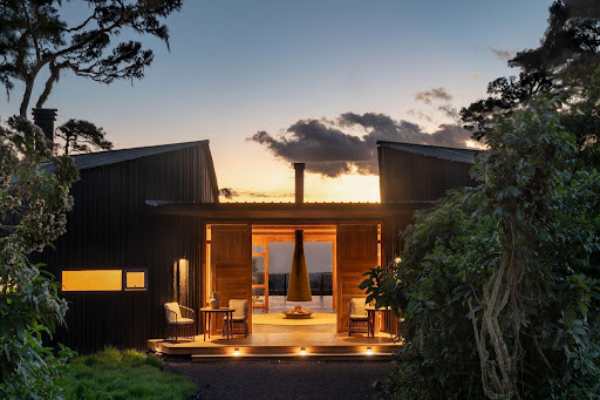
Opened in July 2025 on the remote eastern rim of the Ngorongoro Crater, Lemala Osonjoi Lodge was created with a purpose to demonstrate how tourism can support the long-term protection of one of Africa’s most extraordinary landscapes while ensuring neighbouring communities continue to benefit from its presence. Rather than focussing the safari experience solely on traditional game drives on the Crater floor, Osonjoi was designed to encourage longer stays, slower travel and a deeper connection with the wider Ngorongoro landscape. Through highland nature walks, cultural experiences with Maasai hosts, wellness and immersive experiences beyond the vehicle, the lodge invites guests to discover the wider ecosystem all while helping disperse visitor activity beyond the most frequented areas.
Built in close collaboration with local communities, powered entirely by solar energy and designed to blend naturally into its high-altitude surroundings, Osonjoi demonstrates a considered approach to responsible luxury. From the use of recycled and local materials to community-led experiences and conservation initiatives, every detail has been shaped by a deep rooted commitment to protecting the landscape, supporting local livelihoods and preserving the cultural heritage of the communities who have called this region home for generations.
As protected landscapes around the world continue to navigate increasing tourism pressure, Osonjoi offers an alternative philosophy for safari travel: one where exceptional guest experiences and conservation are not competing priorities, rather are deeply connected. Through its location on the quieter eastern rim, longer-stay itineraries and investment in neighbouring Maasai communities, the lodge demonstrates how tourism can help safeguard the very places travellers go to experience.
ONE YEAR ON: A MODEL IN PRACTICE
Since welcoming its first guests over twelve months ago, the lodge has hosted 6,635 bed nights, welcoming travellers to its 20 solar-powered suites at nearly 2,500 metres above sea level. Its unique position just above the Lemala Gate, provides privileged access to the Ngorongoro Crater floor via one of the lesser-used descent roads, allowing guests to experience this iconic ecosystem during some of its most peaceful and rewarding moments.
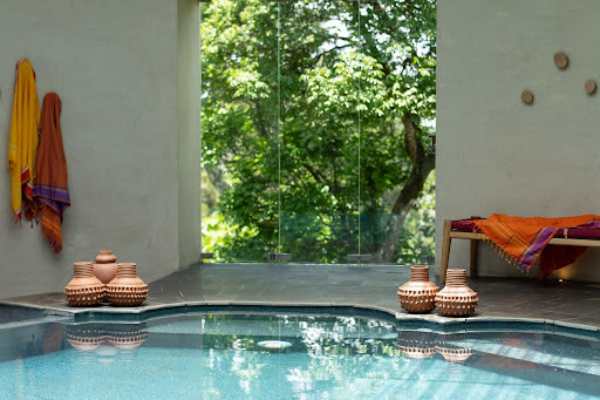
Designed to feel as though it emerges naturally from the surrounding landscape, Osonjoi combines contemporary African design with Nordic influences inspired by the region’s cooler mountain climate. Each suite features hand-finished timbers, pigmented cement, charred wood cladding and panoramic views across the crater and surrounding forests. Thoughtful details including slow-burning wood stoves, electric blankets, hot water bottles and the lodge’s signature “secret nook” daybed have become defining features of the guest experience, alongside the region’s only indoor heated swimming pool, the Forest Spa and private catered lunches on the Crater floor.
Over the past year, guests have consistently highlighted the high-level of the Osonjoi team, the depth of the guiding experience and the genuine sense of place that defines a stay at the lodge. One recent TripAdvisor guest praised Head Guide Steven, who “always seemed to know exactly where to be at the right time,” while highlighting the expert knowledge, authentic hospitality and care shown by the wider staff. The same guests also praised the Maasai escorts who accompanied them to and from their suites each evening, describing their stay as a “10” out of five.
The lodge has also become the setting for meaningful personal moments, including a traditional Maasai blessing ceremony hosted for a couple celebrating their 40th wedding anniversary during their stay, reflecting the lodge’s commitment to creating experiences rooted in culture, connection and place.
BUILT FOR THE FUTURE
From the outset, Lemala Osonjoi Lodge was designed to minimise its environmental footprint while maximising its contribution to the surrounding landscape and neighboring communities. Operating entirely off-grid, the lodge’s high-voltage solar system generated 73,348 kWh in 2025 and 91,802 kWh in 2026 to date, delivering an estimated carbon savings of 58,678 CO2 and 73,441 kg CO2 respectively when compared with a diesel-powered equivalent.
Waste management has remained another key focus, with an average of 88% of waste recycled or diverted from landfill each month through Okota Waste Management in Arusha, where materials including paper, metals, glass, flexible plastics, rigid plastics and cartons are recycled, reused or upcycled rather than ending up in landfill.
Sustainability at Osonjoi is intentionally woven into every aspect of the guest experience, instead of merely existing as a standalone initiative. From operating entirely off-grid on solar power and supporting community-led enterprises to creating opportunities for guests to engage more deeply with the surrounding landscape and culture, every decision reflects a long-term commitment to the environment and the people who live alongside it.
Supporting the long-term protection of the Ngorongoro Conservation Area remains equally important. During its first year, Osonjoi contributed the equivalent of US $702,962 through crater fees, conservation fees and bed-night levies to the Ngorongoro Conservation Area Authority (NCAA). These contributions support wildlife conservation, habitat protection, road and infrastructure maintenance, research initiatives and support for Maasai communities living within the area.
INVESTING IN THE COMMUNITIES OF NGORONGORO
Community partnership has remained central to Osonjoi’s philosophy since its inception. Today, the lodge employs 54 staff, with recruitment prioritising local communities wherever possible. Over its first year, Osonjoi has expanded a series of initiatives designed to create lasting social impact across neighbouring Maasai communities. Following a prolonged drought that severely affected local livestock and placed financial pressure on families in the area, Osonjoi supported 25 students from Irkeepusi by providing essential school supplies, ensuring 10 boys and 15 girls could continue their education.
The lodge has also committed to supplying beans and maize to the neighbouring primary schools of Loresho and Irkeepusi, helping ensure children receive a meal during the school day that supports concentration and learning.
Supporting girls’ education has remained another key priority. Since opening, Osonjoi has donated more than 1,000 reusable sanitary pads across neighbouring communities, including donations to Irkeepusi clinic, local women and Nainokanoka Secondary School. Osonjoi also continues to support the Irkeepusi Women’s Group by showcasing handmade beaded jewellery and souvenirs through the lodge’s curio shop. The initiative has generated more than US$1,500 in revenue for the group while supporting its registration as a licensed business with its own bank account and tax invoicing system.
“I cannot believe how quickly the time has passed,” says Leanne Haigh, CEO of Lemala Camps & Lodges. “Osonjoi has been a labour of intense love since inception and we are all proud of the positive impact the property has had, particularly on our local community members with whom we are proud to share this incredible landscape. Looking ahead, we hope to spread our girl-child empowerment programmes into more and more remote Maasai communities.”
LOOKING AHEAD
As Lemala Osonjoi Lodge enters its second year, its focus remains on building upon the foundations made during its first twelve months, alongside the continued growth of its community initiatives. The lodge is preparing to fully commission its water and waste management system later this year, further bolstering its sustainability commitments.
Marking its first-year in operation, Lemala Osonjoi Lodge is demonstrating that luxury safari does not need to come at the expense of the landscape it celebrates. Instead, the lodge offers a model where conservation, community, and guest experiences work together, setting a compelling example for the future of luxury safari travel in Africa.
Rates at Lemala Osonjoi Lodge start from $690 (approx. £510 / €590) per person sharing per day, including accommodation, all meals, house drinks, Wi-Fi and laundry. Rates do not include NCAA Entry and Concession Fees, game drives, airstrip transfers, champagne, and premium house drinks, or government levies.











