

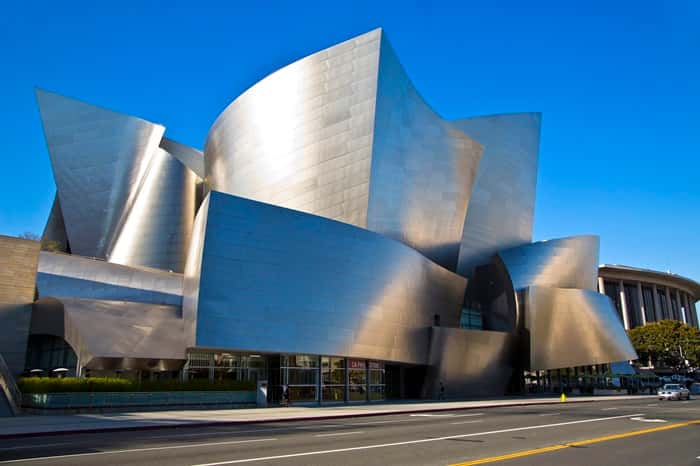
LOS ANGELES has never been shy about a sequel. The World Cup has barely packed its bags, yet the city is already moving to the next scene. Super Bowl LXI arrives in 2027. The Olympic and Paralympic Games follow in 2028.
This is not merely a run of big dates. It is a long tourism play.
Los Angeles hosted eight FIFA World Cup 2026 matches at Los Angeles Stadium. More than 560,000 fans passed through the gates, according to Los Angeles Tourism. Another 250,000-plus people joined the FIFA Fan Festival and official fan zones. More than 300 local events spread the party across the county.
For the travel trade, those figures tell only part of the story. Big events must now work far beyond the stadium. They must fill hotel rooms, restaurants, tours and attractions. They must support local firms. They should also give guests a reason to return.
Preferably, next time, without face paint and a nervous grasp of the offside rule.
World Cup success becomes a tourism plan
Los Angeles Tourism says the World Cup produced a projected US$892 million economic impact across Los Angeles County. When expected long-term tourism gains are added, organisers put the total benefit above US$1.1 billion.
There is one vital word in that claim: projected.
The final result is not yet known. Full hotel, tax and visitor-spending data will take time to gather. Analysts must also ask how much spending was genuinely new. They must track where it went and weigh it against the public and private costs of hosting the tournament.
Early reports suggest that benefits varied between businesses and districts. That is hardly surprising in a region as large and uneven as Los Angeles County. A packed sports bar can have a splendid month while another operator, several neighbourhoods away, hears little more than distant cheering.
The US$892 million figure is therefore a strong forecast, not a final receipt. That distinction matters in any serious business report.
Other results are already clear. LA Metro’s special World Cup service carried 212,865 riders. It linked the stadium with 15 parking and transport hubs during the eight matches.
Metro estimated that the service took 42,573 cars off the road. It also reported no safety incidents tied to the enhanced operation. More than 1,700 staff were placed across the network, transport hubs and fan zones to assist visitors.
In Los Angeles, where traffic has almost become a folk tale, that is no small win. It was also a live test for 2028.
Adam Burke, president and chief executive of Los Angeles Tourism, summed up the commercial case:
“The tournament demonstrated the power of major sporting events to drive tourism, create economic opportunities, and bring the global community together.”
The gains were not limited to hotels and major venues. The Original Farmers Market welcomed more than 22,000 people to its official fan zone. Los Angeles Tourism described it as the largest event in the market’s 92-year history.
That gave small and family-owned firms rare global exposure. It also showed how food, culture and sport can share the same stage.
Local businesses do not need another glossy legacy promise. They need trade through the door. The World Cup appears to have delivered a healthy measure of both.
Super Bowl LXI keeps Los Angeles on air
The next major event is already booked. Super Bowl LXI will be held at SoFi Stadium in Inglewood in February 2027.
It will be the ninth Super Bowl staged in the greater Los Angeles region. It will also be SoFi Stadium’s second in five years, following Super Bowl LVI in 2022.
For airlines, hotels, wholesalers and tour sellers, the value goes well beyond game day. Super Bowl week brings sponsors, media crews, corporate groups and high-spending guests. It creates demand for private events, dining, transfers, premium rooms and extended stays.
It also gives the city another full dress rehearsal.
The World Cup showed that the small details are not small at all. Clear signs matter. Shade matters. Safe transport matters. Staff on the ground matter. Access for guests with different mobility and sensory needs matters.
A famous stadium may win the bid. Good operations win the visitor.
The NFL also plans a broad program around Super Bowl week, including NFL Honours, the Super Bowl Experience, opening-night events and community activities across the region. That dispersal should help draw visitors beyond Inglewood and into other parts of Los Angeles.
LA28 lifts the scale
The Olympic Games will run from 14 to 30 July 2028. The Paralympic Games will follow from 15 to 27 August 2028.
Los Angeles will host the Olympics for the third time, having staged the Games in 1932 and 1984. The city will host the Paralympics for the first time.
LA28’s Olympic program has 51 sports. Baseball and softball will return. Cricket and lacrosse will also come back after long absences. Flag football and squash will make their Olympic debuts.
More than 15,000 Olympic and Paralympic athletes are expected across the two Games. Events will be staged throughout Los Angeles and in several other US cities.
The venue plan is a key selling point. LA28 says it will use existing or temporary facilities. Organisers expect it to be the first Games since 1948 without a new permanent competition venue.
That is a sound aim. Empty grandstands make poor souvenirs.
Yet the plan also creates a major transport test. The venues sit across a vast region, while some events will take place outside California. Fans will need simple maps, clear times, dependable connections and candid advice about travel distances.
LA28 now describes its mobility strategy as transit-first. Guests will be directed towards trains, buses, shuttles and park-and-ride sites. Walking and cycling will also play a role.
The World Cup proved that special transit services can work. The Olympic task will be far larger. It will need firm funding, sound planning and very little room for wishful thinking.
Tickets are already driving demand
LA28 has started selling Olympic tickets through staged releases. Its next ticket drop is scheduled for August 2026. Paralympic tickets are due to go on sale in 2027.
Demand arrived early. LA28 reported that more than five million people had registered for its first ticket draw by February 2026, with interest coming from 194 countries and all six inhabited continents.
That gives travel sellers a clear signal. Fans are planning years ahead.
Packages will need to offer more than a seat and a room. Buyers will want safe areas, reliable transport, sensible transfer times and enough free space in the itinerary to explore the city.
The best products will turn event guests into leisure visitors. That is where a short burst of demand becomes a lasting tourism gain.
New culture gives fans a reason to linger
Los Angeles is also adding major cultural draws. That will help spread guests beyond the sporting calendar.
LACMA officially opened its new David Geffen Galleries in April 2026. Designed by Peter Zumthor, the building marked a major new stage in the museum’s long redevelopment.
DATALAND is now open in Downtown Los Angeles. It bills itself as the world’s first museum devoted to AI arts, with five multisensory galleries and an opening exhibition titled Machine Dreams: Rainforest.
The Lucas Museum of Narrative Art is scheduled to open in Exposition Park on 22 September 2026. Its permanent collection holds more than 40,000 works, while 35 galleries will explore illustrated storytelling, film, comics and other forms of narrative art.
The California Science Centre’s Samuel Oschin Air and Space Centre is set to follow on 13 November 2026. Its displays will include the complete Space Shuttle Endeavour system.
West Harbour is taking shape on the San Pedro waterfront, with dining, retail and entertainment planned around a major waterside precinct. Universal Studios Hollywood is also preparing its first outdoor high-speed roller-coaster, Fast & Furious: Hollywood Drift.
Then there is the food. The 2026 Michelin Guide promoted Los Angeles restaurant Kato to two stars. Los Angeles restaurants and culinary figures also appeared among the latest James Beard Award winners and honourees.
These openings add depth to a sports-led trip. Fans need places to go before a match. They also need a plan for the day after.
Even the most loyal supporter cannot live on turnstiles alone.
Los Angeles is selling a decade
The main lesson is simple. Los Angeles is not selling three separate events. It is selling one long era.
The World Cup built the first wave. Super Bowl LXI will keep the city in view. LA28 will provide the full test.
The strengths are clear. Los Angeles has famous venues, deep hotel stock and a global brand. It has beaches, food, film, art and theme parks. It also has a huge local market.
The problems are just as real. Distance, traffic and cost can weaken a trip. The city must also show that the gains reach more than its best-known visitor zones.
The World Cup offered a strong proof of concept. It moved large crowds and drew fans into local areas. Yet the final economic score still needs careful checking.
That balance is important. Good travel reporting should admire the show and still count the chairs.
Los Angeles will make the world watch. The sharper question is whether it can make visitors stay longer, spend more widely and come back.
On the early evidence, the city is no longer acting like a one-event host. It is building a convincing case for a lasting place among the world’s great sports capitals.
By: Jason Smith – © 2026.
Read Time: 6 minutes.
Author Bio:
 Jason Smith didn’t learn travel from textbooks. He learned it in airports, taxis and hotel lobbies, watching the business unfold long before he played his own part. Half American, half Asian, he grew up around the quiet workings of tourism, where people come and go, and stories rarely stand still.
Bangkok came first, then formal study, then a career that carried him through Singapore, Malaysia and Vietnam. Each place left something behind. In the end, Thailand felt like home, along with a senior role in hotel sales.
Then everything stopped. Borders shut, planes grounded, and Jason found himself back in America with time to reflect.
Now at Global Travel Media, he writes travel as it really is, not polished, not perfect, but human, and all the better for it.











