

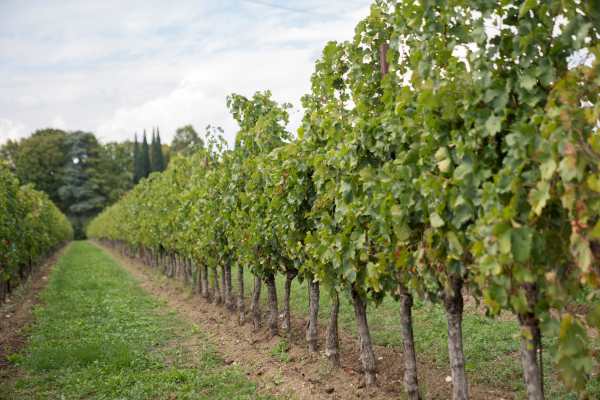
There are places where a border does not divide but brings together. This is where the identity of Tenute Tomasella was born. For over fifty years, the winery has transformed the meeting point between Veneto and Friuli into a unique winemaking heritage. With 50 hectares of vineyards spread across the two regions – 40 in Veneto and 10 in Friuli – the estate enjoys a privileged location at the heart of an area where the Friuli DOC and Prosecco DOC Treviso appellations converge, creating an extraordinary blend of landscapes, traditions and winegrowing vocations.
In this corner of Italy, differences are not barriers but valuable resources.
“Research, experience, agronomic expertise and respect for the ecosystem are the principles that guide every decision at Tenute Tomasella,” says Paolo Tomasella, owner of the winery. “Being located on the border between Veneto and Friuli gives us the privilege of preserving two outstanding winemaking traditions and allowing them to interact every day. For us, this is not a limitation but an opportunity: each vineyard expresses its own distinctive characteristics, which we respect and enhance through careful, sustainable and non-invasive viticulture. Our goal is to transform this richness into authentic wines that express their place of origin with elegance, balance and a strong sense of identity. It is precisely from the encounter between these two souls that Tenute Tomasella’s philosophy takes shape: creating wines that tell the story of diversity and the strength that comes from the dialogue between different territories.”
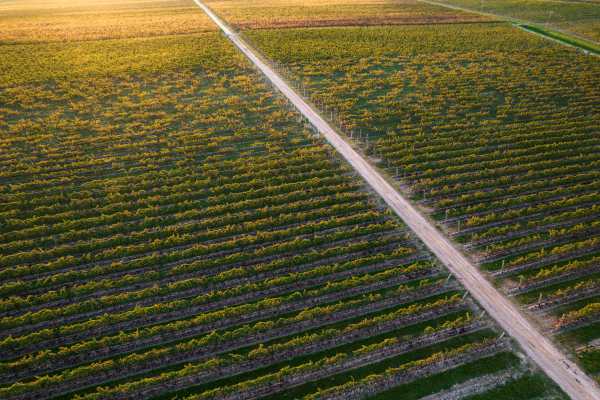
At the heart of this philosophy lies a deep relationship with the land, built on observation, respect and the ability to understand its natural rhythms. This approach guides every agronomic and winemaking decision, enabling the estate to develop a conscious and sustainable form of viticulture that enhances the unique characteristics of each vineyard without forcing nature’s course.
The estate’s geological diversity further enriches this remarkable heritage. Over centuries, the soils have been shaped by the flooding of the Livenza River, influenced by deposits from other waterways and by the nearby Prealps, creating a rare mosaic of soil types. Silty, clay-rich and limestone soils alternate within short distances, providing each vineyard with different growing conditions and contributing to wines with distinctive personalities.
On the Veneto side, lighter soils rich in limestone and organic matter provide an excellent balance of water retention and nutrients. Here, white grape varieties develop aromatic intensity and finesse, while red varieties gain structure, balance and particularly soft tannins.
In Friuli, the vineyards lie on the upper plain between the Meduna and Livenza rivers, in the western-central area of the Grave del Friuli. These alluvial soils, characterised by a coarser texture and a significant presence of dolomitic limestone—known locally as caranto—give the wines remarkable freshness, refined floral aromas and outstanding ageing potential.
Among Tenute Tomasella’s extensive portfolio, the wines that best showcase the influence of their terroir include:
Bastìe Bianco Friuli Grave DOC (Friulano) and Bastìe Rosso Friuli Grave DOC (Merlot): the estate’s flagship wines, crafted to express the mineral complexity and structure that derive from Friuli’s most suitable vineyard sites.
Rigole Rosso Trevenezie IGT (Merlot and Refosco dal Peduncolo Rosso): considered the wine that best represents the estate’s borderland identity, combining the sapidity and structural depth of Veneto’s clay soils with the distinctive character of Friuli’s terroir.
I Classici (Single-varietal wines): produced exclusively from individual grape varieties—including Friulano Friuli DOC and Merlot Friuli DOC—these wines are designed to highlight the varietal expression shaped by the limestone-rich, organically fertile local soils.
Rigole Brut (Sparkling Wine): produced using an extended eight-month Charmat method, this sparkling wine reflects the freshness and minerality typical of the spring-fed plains that characterise the area.











