There was a time when every major aviation conference gravitated towards the usual suspects—Singapore, Hong Kong or Tokyo. Safe choices. Familiar choices.
Not this time.
Instead, Japan Airlines has chosen Hokkaido to welcome some of the aviation industry’s most influential decision-makers when it hosts the CAPA Airline Leader Summit Asia 2026 at Portom Hall, New Chitose Airport, on 1-2 October.
It’s a decision that says as much about where Japan’s tourism economy is heading as it does about the airline itself.
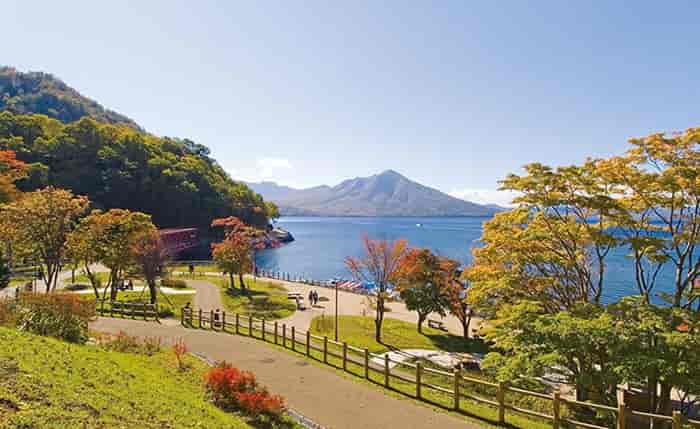
For decades, Hokkaido has been Australia’s winter playground, drawing skiers in search of legendary powder snow and food lovers chasing seafood that’s difficult to forget. Increasingly, however, it’s becoming something far more significant—a gateway for international investment, business events and premium tourism. CAPA’s decision to stage its flagship Asian summit there recognises that shift.
For Japan Airlines, the timing couldn’t be more appropriate.
The carrier is quietly reshaping its future while many airlines remain preoccupied with managing today’s headaches. Aircraft shortages, stubborn fuel prices, geopolitical uncertainty and fragile supply chains continue to dominate boardroom conversations across the region. Winning market share is still important, but surviving unexpected shocks has become just as valuable.
JAL appears determined to do both.
Founded in 1951, the Tokyo-based airline today serves 413 airports across 71 territories through its domestic and international network and remains one of Asia’s most respected full-service carriers. Its membership of the oneworld alliance, consistent five-star service recognition and repeated honours for the World’s Best Economy Class have helped cement a reputation built as much on reliability as refinement.
Behind the polished cabin service, however, significant change is underway.
The airline is steadily replacing older Boeing widebody aircraft with new-generation Airbus A350s, a move that reflects a wider industry drive towards greater fuel efficiency, lower emissions and improved passenger comfort. It’s a reminder that sustainability isn’t simply an environmental slogan anymore—it has become sound commercial strategy.
That theme is expected to dominate discussions throughout the summit.
Artificial intelligence, digital transformation, sustainable aviation, future workforce planning and the evolving passenger experience all feature prominently on the agenda. None are abstract concepts. They represent everyday challenges for airline executives trying to balance customer expectations with commercial reality.
Japan Airlines President and Group CEO Mitsuko Tottori believes the summit provides an opportunity to look beyond today’s operational pressures.
“We are deeply honored to participate in the CAPA Airline Leader Summit Asia to be held in Hokkaido as a sponsor. Through our active engagement in this summit, Japan Airlines, as a leading airline in the Asian aviation industry pursuing a sustainable society and a future well-being for all, and JAL AVIOFUTURE LAB, researching aviation challenges and developing future aviation talent, will commit to creating new value.”
Those ambitions are being supported by encouraging market conditions.
According to CAPA and the Japan National Tourism Organisation, inbound visitor numbers to Japan have climbed 20 per cent compared with the previous year. JAL also forecasts revenue generated from travellers originating in Southeast Asia, North America and India will rise by around 70 per cent by the 2028 financial year, highlighting continued confidence in international demand despite global economic uncertainty.
It’s an optimistic outlook—but hardly an uncomplicated one.
Across Asia, airlines continue to navigate an operating environment where yesterday’s business model no longer guarantees tomorrow’s success. Route planning has become more complex, aircraft deliveries remain unpredictable and geopolitical tensions can alter international traffic patterns almost overnight.
That makes forums such as the CAPA Airline Leader Summit increasingly valuable.
Unlike traditional conferences where delegates politely exchange business cards before disappearing into airport lounges, CAPA has earned a reputation for encouraging frank conversations between airline chiefs, airport operators, regulators and investors. The debates are often robust because the challenges facing aviation leave little room for polite avoidance.
CAPA Senior Director of Events Claudia Kunz believes Japan Airlines will help shape those discussions.
“With Japan Airlines as the Host Airline, the CAPA Airline Leader Summit Asia 2026 will serve as a powerful platform to explore the challenges and opportunities shaping the aviation sector. Their leadership and vision will undoubtedly enrich the discussions and outcomes of the summit.”
The venue itself also reflects aviation’s changing priorities.
Rather than concentrating exclusively on Japan’s largest metropolitan centres, New Chitose Airport showcases how regional gateways are becoming increasingly important to international tourism growth. Modern infrastructure, expanding international connectivity and Hokkaido’s global appeal make the airport a fitting location for conversations centred on aviation’s future.
For delegates, there will be plenty to discuss.
Can airlines continue investing in greener fleets while managing higher operating costs? Will artificial intelligence genuinely improve customer service or simply create new challenges? How quickly can digital innovation be translated into stronger profitability?
None of those questions will be answered in two days.
But bringing together many of Asia’s most influential aviation leaders under one roof is a good place to start.
The airline industry has always thrived on looking ahead. That’s hardly surprising. Pilots spend their careers focusing on the horizon.
This October, the people steering the aviation business will be doing exactly the same.
For more information: https://aas26.capaevents.com/page/5012800/registration.
By: Octavia Koo – © 2026.
Read Time: 4 minutes.
Author Bio:
 Octavia Koo arrived in Australia in the early eighties with little fuss and a good eye. Sydney suited her. At UNSW, she studied Arts, then found her footing in graphic design before drifting, quite naturally, into the digital side of things, building websites and shaping words that made people want to stay.
Singapore followed, and with it, the fast pace of tourism platforms and ITB Asia. Long before SEO became a buzzword, Octavia understood how stories travelled online. That’s where she met Stephen, and the seed for something more was planted.
A few years later, she joined Global Travel Media.
Today, Octavia works with quiet assurance, blending art, instinct and experience to produce stories that don’t shout; they simply work and linger.