

If ever there were an industry that learned to do more with less and then quietly got on with the job, it’s the business events industry. No fuss, no headlines, just results. Until now.
Because when a platform like HeadBox arrives in New Zealand, it doesn’t so much knock politely as stride in with purpose.
And the timing? Impeccable.
As of 4 May, Auckland joins the company’s expanding global footprint, with more than 120 venues already live on the platform. Not bad for a “launch”. In truth, this feels more like the second act of a well-rehearsed play.
A Market That’s Quietly Delivering
New Zealand’s business events sector isn’t one for chest-beating, but the numbers speak plainly enough. According to Business Events Industry Aotearoa, the industry tipped in $925 million to the economy in 2025.
More telling still, business event delegates outspend their leisure counterparts by over 50 per cent.
That’s not a trend. That’s a signal.
And signals, in this business, are meant to be acted on.
A Familiar Gap Finally Addressed
At the helm of the regional push is Ali Lord, who has already done the groundwork in Australia since 2021. She knows the terrain, and more importantly, she knows where it’s been lacking.
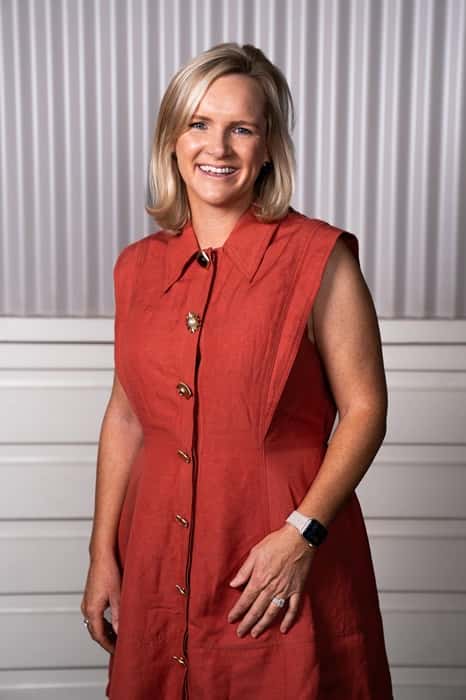
HeadBox CEO, Ali Lord
“New Zealand is a key part of HeadBox’s APAC expansion… We are a trailblazing events platform for the AI generation backed by a highly experienced team of event professionals.”
There’s no hyperbole there. Just a statement of intent.
Because of all the growth, the mechanics behind business events have remained stubbornly old-fashioned. Spreadsheets. Email chains. Endless back-and-forth that would test the patience of a saint.
HeadBox, in essence, tidies the room.
From Chaos to Clarity
The pitch is straightforward: one platform to find venues, manage suppliers, track spend, and deliver events, whether in person, hybrid, or virtual.
Simple, yes. But simplicity, when done properly, is hard-earned.
“Corporate event managers are managing complex programmes… often using a mix of spreadsheets and email threads,” Lord says. “HeadBox gives them one place to manage the full process.”
That “one place” matters. Because time, in corporate events, has a habit of slipping through the cracks.
And then there’s the money.
Enterprise clients using HeadBox are saving around 20 per cent on event spend. Not by cutting corners but by finally seeing where the corners are.
Organisations such as Sky, KPMG, PKF, Herbert Smith Freehills and NeuroGroup have already taken notice. They don’t do that lightly.
Seeing Without Travelling
Perhaps the cleverest touch is HeadBox’s 3D Studio, a virtual inspection tool that lets planners walk through venues without boarding a plane.
It’s not about replacing the site visit. It’s about making sure you only take one when it matters.
“For a travel manager… the ability to do a detailed virtual walkthrough of five venues in an afternoon is a genuine time-saver,” Lord notes.
In an era where travel budgets are scrutinised and carbon footprints are counted, that’s more than convenience, it’s common sense.
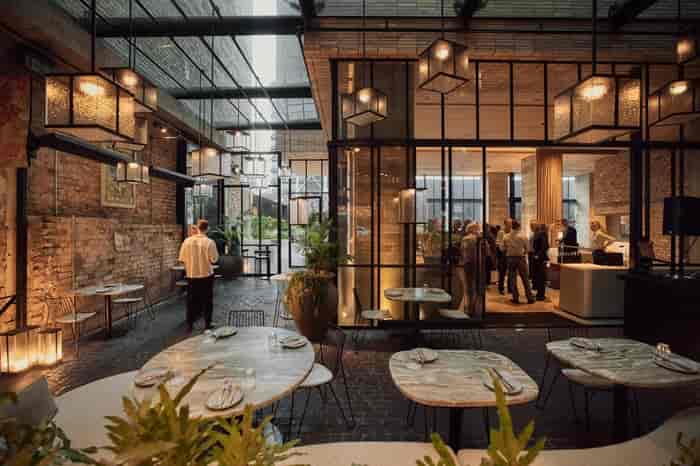
Across Auckland, venues now on the platform range from the New Zealand International Convention Centre to the quietly polished The Hotel Britomart, as well as QT Auckland and the ever-reliable Royal New Zealand Yacht Squadron.
In short, the city’s event DNA is packaged and accessible.
The ESG Question No One Can Ignore
There’s another, less glamorous side to all this: compliance.
Roughly 40 per cent of transient travel spend is allocated to business events. Historically, much of it has been poorly tracked.
That might have passed once. Not anymore.
With climate reporting requirements tightening, particularly for large Australian organisations, untracked event spend is no longer just untidy. It’s a liability.
HeadBox brings that spend into the light, offering real-time visibility and a clean audit trail.
For finance teams, it’s oversight.
For procurement, leverage.
For sustainability teams, finally, data that means something.
AI, With Its Feet on the Ground
Plenty of companies are eager to tell you AI will change everything. HeadBox takes a more measured view.
“AI… is a tool to add to your toolbox, not a replacement,” Lord says.
A sensible stance.
Because while AI can accelerate planning and streamline decisions, it won’t build relationships or close a deal over dinner. That still requires a human touch and, occasionally, a bit of charm.
A Shift in How Work Gets Done
There’s also a broader truth at play.
When organisations tighten belts, marketing and events teams are often first in line. Yet the work doesn’t disappear; it simply needs to be delivered with fewer hands.
“Companies are increasingly leaning on HeadBox to fill those gaps,” Lord says.
It’s not outsourcing. It’s reinforcement.
And in today’s climate, that distinction matters.
Opportunity Knocks for Venues
For venues, the upside is immediate: visibility.
By joining the platform, they’re placed directly in front of corporate planners actively searching for space, not passively browsing.
In a competitive market, that’s the difference between being considered and being overlooked.
The Final Word
HeadBox’s move into New Zealand feels less like expansion and more like alignment. The demand is there. The inefficiencies are well known. The appetite for change quiet, but unmistakable.
What arrives now is a platform that doesn’t try to reinvent the industry, just makes it work as it should have all along.
No noise. No drama.
Just a better way of doing business.
by My Thanh Pham – (c) 2026.
Read Time: 6 minutes.
About the Author.
 My Thanh Pham has lived more of a life of travel than most people ever do. After studying tourism, she went straight into the work of building journeys across South-East Asia, temples, beaches, night trains, and all, quietly fixing the messy bits so others could enjoy the ride.
She was never meant to stay behind a desk. Airline life followed, dividing her days between reservations and the airport floor, right where travel shows its true colours. Missed flights, tight hugs, frayed tempers, sudden joy, she saw it all, close up.
Now at Global Travel Media, My Thanh has traded ticket stubs for a keyboard. She writes the way she once worked: steady, clear-eyed and respectful of the road’s unpredictable rhythm, guiding readers through a world she knows from the inside.











