

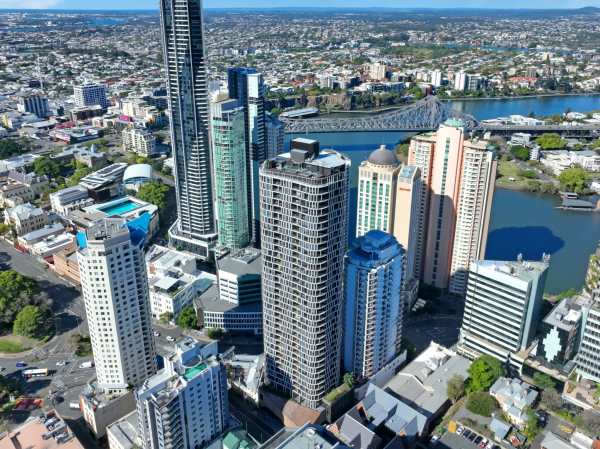
As peak-season accommodation prices rise across Brisbane, travellers are increasingly bypassing traditional hotels in favour of well-located apartments that offer more space, flexibility and tangible savings—without sacrificing lifestyle or location.
New peak-season pricing analysis shows that serviced apartments in Brisbane’s most sought-after precincts can deliver 20–30 per cent more overall value than nearby four- and five-star hotels, particularly for stays of three nights or more. This shift reflects a broader change in how people travel, with guests prioritising space, everyday comforts and control over costs rather than headline room rates alone.
In high-demand areas including the Brisbane CBD, South Bank, Fortitude Valley and Woolloongabba, premium five-star hotels regularly command $380 to $420 or more per night during peak periods. Centrally located four-star hotels also see a sharp peak-season uplift, often charging additional fees for parking, laundry and dining services.
By contrast, apartment accommodation in the same neighbourhoods continues to attract travellers seeking better value once inclusions are taken into account. Fully equipped kitchens, in-room laundry, separate living and sleeping areas, and on-site parking can significantly reduce the true cost of a stay—particularly for families, business travellers, and longer stays.
“Travellers are staying longer and making more considered choices about where their money goes,” said Shankar Kotha, Chief Commercial Officer at CLLIX Apartments and Hotels. “Value today isn’t about cutting back—it’s about getting more. Space, location and everyday conveniences are now just as important as luxury finishes, especially during peak travel periods.”
Why Space Has Become the New Luxury
Unlike traditional hotel rooms, apartment-style accommodation allows guests to live more comfortably during their stay. Across Brisbane, travellers are increasingly choosing apartments that offer:
-
One, two and three bedroom layouts
-
Separate living and sleeping zones
-
Fully equipped kitchens
-
In-apartment laundry facilities
-
Workspaces, balconies and free Wi-Fi
-
Access to pools, gyms, spas, saunas and BBQ areas
These features reduce reliance on paid hotel services and give guests greater flexibility—whether cooking in, ordering delivery, or managing work and leisure during longer stays.
Prime Locations, Comparable Addresses
Apartment accommodation is no longer confined to secondary locations. Many properties now sit alongside Brisbane’s most popular hotels, placing guests within walking distance of major attractions, dining precincts and transport hubs.
In the CBD, properties are located moments from Queen Street Mall, Queen’s Wharf, Howard Smith Wharves and the City Botanic Gardens. South Brisbane apartments are within easy reach of South Bank Parklands, Streets Beach, QPAC, GOMA, the Queensland Museum and the Brisbane Convention and Exhibition Centre. Fortitude Valley options place guests close to James Street dining, boutique shopping and nightlife, while Woolloongabba apartments offer some of the closest accommodation to The Gabba for major sporting events.
The Hidden Cost Many Travellers Overlook
Parking remains one of Brisbane’s most expensive and frequently overlooked travel costs. Casual CBD parking can exceed $80 per day, while many hotels charge additional nightly fees for on-site or valet parking.
By comparison, many apartment properties—particularly in South Brisbane—offer secure on-site parking, with some locations including parking in the nightly rate. For travellers arriving by car, this can translate into savings of hundreds of dollars over the course of a stay.
A Smarter Way to Stay
When nightly rates, space, kitchen access, laundry facilities, parking and location are considered together, apartment accommodation is increasingly emerging as the smarter choice for Brisbane travellers during peak periods.
“We’re seeing a clear shift away from short, transactional stays toward longer, more flexible trips,” Mr Kotha said. “Apartment-style accommodation supports how people actually travel now—comfortably, independently and with greater control over their overall costs.”











