

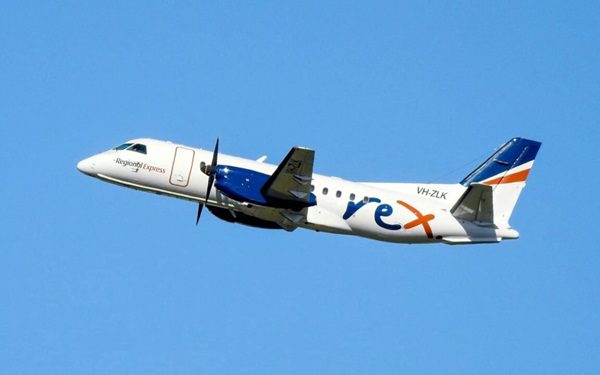
In a move that could prove pivotal for the future of regional aviation in Australia, Air T Inc. has struck a Sale & Implementation Deed (SID) with the administrators of Regional Express Holdings Limited (Rex) and key subsidiaries, signalling its intention to acquire the beleaguered carrier by year-end, subject, of course, to the necessary creditor and Federal Court approvals.
Australia’s leading regional airline, Rex, operates flights into the far reaches of the country, with around 50 per cent of its routes not served by any other operator. The acquisition, therefore, carries more than mere business significance: it touches on the lifeblood of outback communities and the cabin-bag economy of remote Australia.
Why this matters
Air T has been working with Rex’s administrators and the Australian government (via the secured lender) to craft a rescue scheme that “best serves the interests of all stakeholders”. A related agreement between Air T and the Commonwealth will restructure Rex’s financing arrangements in connection with the acquisition.
In plain terms: Rex’s existing fleet, notably its Saab 340 programme, won’t be grounded, and vital regional services won’t vanish into thin air.
The operational plan
Air T’s interest is far from passive. In the announcement, the U.S.-based firm commits to funding Rex’s engine renewal programme, returning its fleet to service, and ensuring that the planes keep flying and the towns remain connected. The announcement explicitly states that the business “contemplates a continuation and growth of Rex’s regional airline business and continuing employment for its workforce.”
One might say Rex gets a new lease of life not as a museum piece, but as a working machine. Air T positions itself as the stabiliser, citing its “long-term investment horizon, experience in regional aircraft, and commitment to stabilising and growing Rex”.
Community stakes and regional lives
This is more than accounting. The fact that half of Rex’s routes have no other airline variant underscores the national importance of the deal. Regional Australians rely on these flights for everything from business travel to family reunions, the odd bog-trotter heading out west to visit Aunt Maud, or freight and mail services you’d take for granted in the city.
By keeping those links alive, Air T is stepping into a partly economic and social story: preserving lifelines to communities that cannot afford to be cut off.
Government support and transparency
The federal government has welcomed the announcement as “a positive step towards bringing Rex out of voluntary administration.” It emphasised that the sale process is still underway and declined further comment. In short, yes, the government is involved; it gives its tacit support and keeps its counsel until full approvals are in.
Transparency is pledged. Air T says it “remains committed to transparency and will share information about the transaction during this process.” That language is precisely what lenders, regulators and regional communities want to hear.
Next steps and conditions
Of course, it’s not done and dusted yet. The transaction is subject to the approval of Rex’s creditors and the Federal Court of Australia. There are no shortcuts here. If any of those legs fail to stand, the deal could collapse.
Still, the plan is clear: close by year-end, assume Rex’s operations, invest in the fleet, keep the staff and routes running, and grow the business.
A traditional airline rescue done the “right” way
From a traditional business-journalism vantage point, this transaction ticks many boxes: an acquirer with a defined strategy, government backing, reworked financing arrangements, and critical national infrastructure at stake. It is exactly the rescue that avoids a collapse and offers a turnaround.
And let’s be frank: this kind of move doesn’t happen daily in regional aviation. The hustling and bustling of big city air hubs grab headlines, but this is about the smaller plants keeping the network alive, the ones that connect towns too remote for commercial glamour but vital for residents and businesses.
Final word
In short, Air T is buying more than an airline. It’s buying service, connectivity and promise. It’s inheriting responsibility (and paying for it) for some of Australia’s most isolated skies. For the people of regional Australia, that’s good news. For Air T, the challenge is to deliver on the promise, to bring stability and growth, and to ensure that those Saab 340s keep humming, staff keep driving to the airport, and towns stay on the map.
If everything goes according to plan and creditors and the court assent, this deal could mark a turning point for Rex. For regional flight services, it could provide the kind of secure foundation that has, until now, often eluded carriers of this size and mission.
By Michelle Warner
BIO
 Michelle Warner is a storyteller with jet fuel in her veins — the sort of woman who could turn a long-haul delay into a lesson in patience and prose. She began her career in media publications, learning the craft of sharp sentences and honest storytelling, before trading deadlines for departures as a flight attendant with several major airlines. Years spent at thirty thousand feet gave her a keen eye for human nature and a deep affection for the grace and grit of travellers everywhere.
Now happily grounded, Michelle has returned to her first love, writing, with the same composure she once brought to a turbulent cabin. Her work combines an editor’s precision with a traveller’s curiosity, weaving vivid scenes and subtle humour into stories that honour the golden age of travel writing. Every line is a small act of civility, polished, poised, and unmistakably human.











