

When the world’s business events elite gather in Riyadh next November, they’ll find a capital city that looks nothing like the one they might recall from even a decade ago.
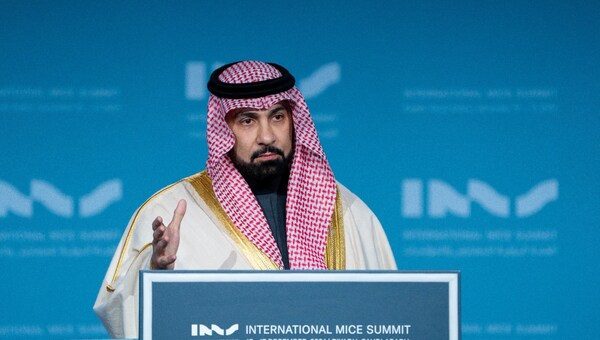
Saudi Arabia, once synonymous with oil wealth and desert austerity, is now busy reinventing itself as a global convening point for deals, dialogue, and commerce diplomacy. The 2025 International MICE Summit (IMS25), due to run from 26-27 November, is expected to draw more than 2,000 industry and government leaders from around the world, a statement, not a coincidence.
The event, hosted by the Saudi Conventions & Exhibitions General Authority (SCEGA), will showcase the Kingdom’s emergence as a serious contender in the global business events market. As anyone who’s watched the country’s rapid transformation under Vision 2030 knows, Saudi Arabia rarely does anything by halves.
From the desert to the global stage
Last year’s inaugural summit attracted around 1,700 participants from 25 countries, a strong debut by any measure. But IMS25 is shaping up as the sequel with more substance, a deeper agenda, heavier political representation, and an unmistakable undertone of ambition.
This year’s theme, “Public-Private Collaboration: Fueling MICE Growth”, sounds bureaucratic, but a serious policy point lies behind the phrase. The government is betting that if it can balance state oversight and private sector initiative, Saudi Arabia could establish itself as the fastest-growing events destination in the G20.
“Vision 2030 is delivering an unprecedented era of opportunity for the events industry,” said His Excellency Fahd Al-Rasheed, Chairman of SCEGA. “By bringing together leaders, event investors and decision-makers, IMS25 will drive collaboration that delivers connectivity, innovation, and growth across the Kingdom and the global MICE industry.”
Al-Rasheed’s confidence isn’t misplaced. The Saudi business events sector has grown 44 per cent over the past five years, propelled by heavy infrastructure investment and an expanding tourism base. The Kingdom hosts around 17,000 events annually, from small corporate gatherings to major international exhibitions.
Numbers that no longer surprise
For many in the industry, Saudi Arabia’s rise has gone from improbable to inevitable. The country welcomed 115.9 million visitors in 2024, a record-breaking figure representing a 19 per cent jump in international visitor spending and an 11 per cent rise in overall tourism expenditure.
If the numbers sound staggering, they are. However, they also underline how methodical the country’s diversification program has been. The playbook is straightforward: build infrastructure, liberalise selectively, promote globally, and anchor it all in national pride.
“IMS25 builds upon the success of the inaugural summit,” Al-Rasheed added, “deepening partnerships and ensuring this sector can realise the unprecedented opportunities before us, defining new models for growth and value.”
It’s the kind of statement that could easily sound like spin except that, on current evidence, Saudi Arabia is delivering. From NEOM’s futuristic megacity to the cultural revival of Diriyah, the country’s investment in “soft power” projects is beginning to bear fruit.
Beyond the glitter
Still, beneath the PR gloss lies a genuine strategic shift. The government sees MICE, the catch-all term for Meetings, Incentives, Conferences and Exhibitions, as a vital part of the national economy. Business events attract more than tourists; they attract capital, knowledge, and credibility.
Riyadh is betting that events like IMS25 will create networks that outlast the summit banners and name tags. The two-day program will feature ministers, CEOs, and academics, with sessions on digital innovation, destination strategy, and future skills. A “Future MICE Leaders” platform aims to train young Saudi professionals for a sector expected to expand dramatically in the next decade.
In the Saudi tradition, there will also be a gala celebration, part recognition, part diplomacy, where contracts, partnerships, and polite applause will likely mix freely. Registration, of course, is already open at internationalmicesummit.com.
A new brand of ambition
Saudi Arabia’s push into the business events market reflects a broader shift in the national psyche. Once cautious about external engagement, the Kingdom is now actively courting international collaboration in fields ranging from sport and tourism to finance and technology.
Hosting the 2030 World Expo and the 2034 FIFA World Cup would once have sounded fanciful. Now, they’re logistical certainties. That kind of confidence doesn’t happen by accident; it’s policy.
For global event organisers, the appeal is obvious. Saudi Arabia is wealthy, stable, and willing to spend. Its leadership is young, tech-savvy, and impatient to make its mark. Yet, beneath all the ambition lies a quieter truth: the country is learning, fast, how to play by global rules without losing its local identity.
Measured optimism
As the IMS25 banner goes up next November, visitors will find a country still in transition, modernising at speed, but deeply conscious of its traditions. Perhaps that is what makes the Saudi experiment so fascinating: the tension between progress and preservation, reform and restraint.
The world’s business events community will come to Riyadh to discuss strategy, but they’ll really be witnessing something more profound — a national reinvention unfolding in real time.
If the inaugural summit last year was the overture, IMS25 would be the main act. From the looks of things, Saudi Arabia intends to leave the audience with no doubt about who’s directing the show.
By Prae Lee
BIO:
 You can tell a lot about a person by how they handle a busy Bangkok morning. Prae Lee doesn’t rush; she glides through it. There’s a calm certainty about her, the sort that comes from knowing where you come from and where you’re going.
Educated at Chulalongkorn University, she took her business degree with the quiet pride of someone who believes in doing things correctly. Her travels for further study in Singapore and Australia didn’t change her; they polished what was already there: curiosity, discipline, and grace.
She returned to her family business in Bangkok, breathing a little modern life into it. She handled social media with the intuition of someone who listens and sells with the gentle persistence the Thais do so well.
Prae doesn’t make a fuss, but everything she touches shines brighter.
Now part of the Global Travel Media family, Prae brings authenticity and quiet confidence to her writing, drawing from a life steeped in culture, travel, and connection.











