

I’ve always believed there’s something curiously medicinal about the sound of a boarding call. The shuffle of passports, the whirr of luggage wheels, the quiet relief of leaving one’s problems at Gate 12B. While doctors prescribe pills, I prescribe plane tickets, preferably to somewhere warm, calm, and with excellent room service.
These days, I’m not alone in that belief. The idea that travel can heal body, mind, and spirit is no longer just the whimsy of weary travellers. Around the world, doctors, insurers, and even governments are starting to see travel, particularly medical tourism, as a legitimate therapy.
It seems the oldest medicine in the world might be movement itself.
A Walk in the Park Beats a Wait in the Ward

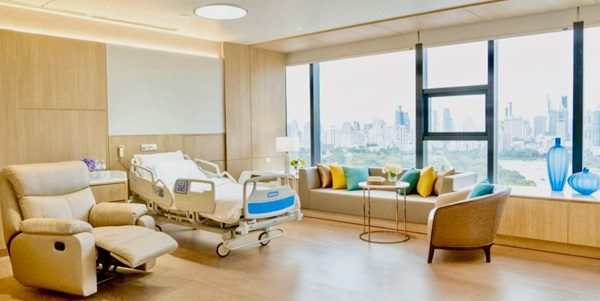
Hospital accommodations in Thailand are increasingly becoming as good as 5-star hotels
Once upon a time, the local GP might have told you to “get some fresh air.” Now, that advice comes with a formal prescription. The National Health Service has been trialling green prescriptions in Britain, sending patients to walk in parks rather than stew in waiting rooms. Across the globe, in New Zealand, doctors prescribe time outdoors as part of their treatment plans.
And they’re not wrong. Time spent in nature lowers stress, boosts endorphins, and helps us sleep better. I’ve often thought that if the NHS could bottle the scent of an English forest after rain, it would be the most effective antidepressant ever invented.
When we travel, we rediscover the simple rhythm of walking, breathing, and noticing. Those small miracles, it turns out, do wonders for our blood pressure and our peace of mind.
The Economics of Happiness
The notion of sending patients on holiday used to sound reckless. Yet insurers are beginning to see the numbers differently. A fortnight spent at a wellness retreat, yoga, swimming, decent food, and a merciful absence of email can prevent years of expensive medication.
In America, a heart bypass might cost more than a small house. The same procedure in a gleaming international hospital costs a fraction in Thailand, with mango smoothies and ocean views thrown in. The math is persuasive, and the recovery is much more pleasant.
I remember meeting a retired British couple in Bangkok who had just finished their check-ups at Bumrungrad International Hospital. They were glowing. “We came for a new hip,” the husband told me, “but I think I’ve come away with a new lease on life.” His wife nodded, “And we’re still spending less than we would back home.”

The face of modern hospital care
Now that’s what I call value for money.
Thailand: Where Healing Wears a Smile
As someone who’s called Thailand home for three decades, I’ve seen firsthand how the country turned hospitality into healthcare. What began as a medical curiosity is now a medical tourism industry that welcomes millions yearly.
But it’s not all scalpels and scrubs. Thailand’s brilliance lies in blending medicine with wellbeing. A guest might come for dental work and stay for detox. Others arrive for surgery and linger for spa therapy in Hua Hin or meditation in Chiang Mai. The same hands that serve lemongrass tea after treatment also soothe the spirit.
Here, healing isn’t rushed. It unfolds gently with a smile, a jasmine garland, and a bowl of fragrant rice soup.
A Prescription With a View
Imagine a doctor’s note: “Take one flight to Phuket, daily walks by the sea, and return only when smiling.”
That might sound fanciful, but it’s becoming a reality. Wellness tourism is booming. From yoga retreats in Bali to longevity resorts in Spain, travellers are swapping pharmacies for fresh air and self-care. In Thailand, the government has woven wellness and longevity into its 2026 “Value Over Volume” tourism strategy, recognising that health seekers stay longer, spend more, and return home rejuvenated.
It’s not just a clever marketing idea. It’s good medicine for the traveller and for the economy alike.
The Doctor Will See You… at the Beach
There’s a quiet revolution happening in the way we think about care. Where once healing meant confinement, now it means connection. Travel asks us to engage, to see, and to feel again. Doing so restores something modern life often erodes: our sense of wonder.
I’ve seen it myself countless times. Guests arriving pale, weary, carrying invisible burdens. A week later, they’re laughing over tropical fruit breakfasts, their eyes brighter, their shoulders softer. No drug in the world replicates that.
One Thai physician put it beautifully when I asked why he supported wellness travel.
He smiled and said, “Andrew, we can treat the body in hospital, but we treat the soul under the sun.”

A Personal Note
When I first arrived in Southeast Asia more than thirty years ago, I didn’t come for health, though I may have needed it. I came for adventure, work, and the thrill of somewhere new. Yet I soon discovered that travel itself was a tonic. The colour, kindness, and chaos all lift the spirit.
Whenever I feel weary of the world, I pack a bag and head somewhere that smells of sea salt or wood smoke. Within hours, I feel better. There’s wisdom in that.
So if your next doctor’s appointment feels dreary, try asking for a second opinion, perhaps from your travel agent. After all, the cure might be a stamp in your passport.
Because sometimes the best prescription is… to go.
By Andrew Wood
 BIO:
BIO:
A Yorkshireman by birth and a Bangkokian by choice, Andrew J Wood has been exploring Southeast Asia’s hospitality and culinary landscapes since 1991. A seasoned travel writer, raconteur, and hotel reviewer, Andrew combines old-school courtesy with a dry wit that’s unmistakably English. His love of gracious service and good manners, traits he believes the world could use more, shines through every word he writes. From the gleaming hotel lobbies of Bangkok to the bustling markets of Hanoi, he finds joy in the details: a warm smile, a well-brewed cup of tea, or a perfectly folded napkin. For Andrew, travel isn’t just about movement—it’s about meaning, memory, and the gentle art of slowing down. In his book, the perfect Sunday is unhurried, well-fed, and always finished with something sweet.











