

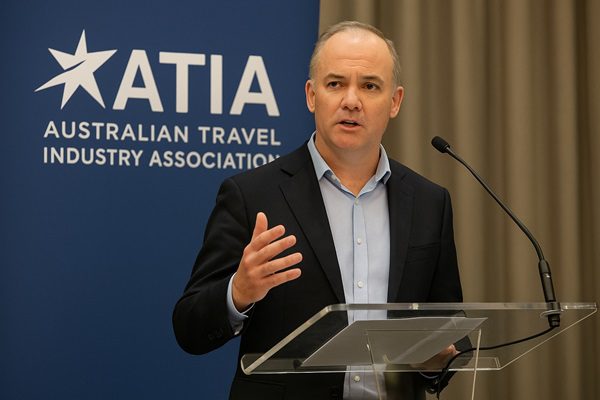
There are days when advocacy is worth its weight in gold, and for Australian travel agents this week, it’s been worth a cool $100 million. The Australian Travel Industry Association (ATIA) has pulled off a win that deserves applause, sparing the sector from the sort of red tape that would have smothered businesses large and small.
Once tipped to become yet another compliance millstone, the dreaded Aviation Ombudsman scheme has been shown the departure gate — at least for agents. Thanks to ATIA’s persistent lobbying, cajoling, and no doubt polite-but-firm persuasion in Canberra, agents have been removed from the scheme altogether.
Avoiding a billion-dollar headache
The numbers are eye-watering. Compliance costs were estimated at between $40 and $100 million, which would have landed squarely in the laps of hardworking agents for issues beyond their control. To put it plainly, agents would have been footing the bill for disputes about matters they had no hand in.
“Our advocacy has saved agents up to $100 million in unnecessary costs. This is money that stays in our members’ businesses instead of being lost to red tape,” said ATIA chief executive Dean Long, who sounded understandably buoyant after months of uphill campaigning.
The long campaign
This wasn’t a quick fix. Since September 2023, ATIA has been running a marathon effort: four rounds of consultation, multiple submissions, evidence before a Senate inquiry, and direct engagement with ministers, the ACCC, and senior officials. It was the sort of campaign demonstrating exactly why industry associations exist to do the heavy lifting that no single business could manage independently.
And it worked. Not only did ATIA’s lobbying prevent a costly regulatory headache, but it also highlighted the strength of the ATIA Accredited framework, which already provides consumers with a free, independent, and fair mediation service. In other words, why reinvent the wheel when the travel industry already has a perfect one?
A collective victory
For individual businesses, the savings are significant. For the sector as a whole, the outcome is proof of the power of a united front. Long made the point forcefully:
“This is exactly why ATIA exists to be the strong, collective voice that secures outcomes individual businesses simply couldn’t achieve alone.”
It’s also a reminder to non-members that accreditation isn’t just a badge for the website; it’s a shield against policy misfires that could have drained the life out of travel agencies already battling slim margins and volatile demand.
“For those not yet members, this is the moment to recognise what ATIA delivers. Without us, the outcome would have been very different. Being accredited is more than a quality mark; it is about being part of a collective that protects, defends and elevates our profession,” Long added.
Looking ahead
The fight isn’t entirely over. ATIA has signalled it will continue to engage through the next round of consultations to ensure this outcome is cemented into law. But for now, agents can breathe easier knowing that millions won’t be siphoned into compliance costs for problems that don’t belong to them.
It’s a textbook case of advocacy in action. ATIA has saved agents an estimated $100 million, kept the industry’s reputation for high standards intact, and reminded its members of just how valuable a strong association can be.
Travel agents may not always feel they have the wind at their backs, but thanks to this win, the ATIA has proved that sometimes, with persistence, the industry can set its own course.
By Bridget Gomez











