

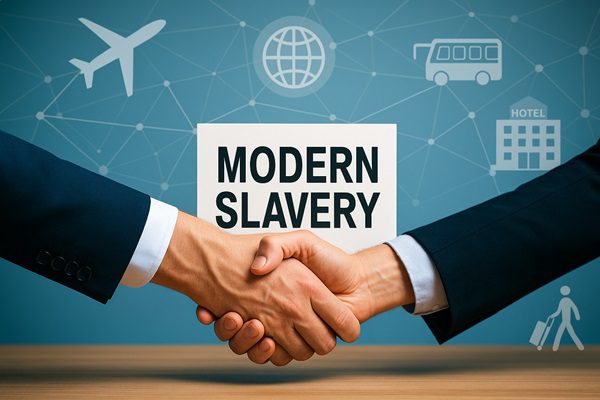
In an era when travellers are urged to “pack light”, Australia’s travel industry is attempting something heavier: lifting the burden of modern slavery from its global supply chains. The Australian Travel Industry Association (ATIA) has officially rolled out the ATIA Modern Slavery Collaboration (AMSC), a collective endeavour to shine a light into one of the darkest corners of tourism.
Explore ATIA’s initiative here.
A New Chapter in Ethical Travel
Modern slavery is not the sort of souvenir anyone wants tucked inside their holiday package, yet the risk lingers within sprawling international supply networks. From accommodation providers and tour operators to transport contractors, the tentacles of supply stretch so far that businesses often don’t know who’s at the end of them.
Enter the AMSC: a platform designed to give operators large and small the tools to assess, measure, and address slavery risks. It’s a collaboration that builds on last year’s pioneering work by Intrepid Travel and Flight Centre, who became the first members of a tourism supply chain consortium in July 2023. Their trailblazing alliance laid the foundations for what is now becoming a sector-wide movement.
The Law of the Land
Australia’s Modern Slavery Act 2018 is clear: companies with annual consolidated revenues of more than AU$100 million must file a Modern Slavery Statement each year with the Attorney-General’s Department. These statements demand transparency across seven criteria, ranging from identifying risks to reporting on the effectiveness of remedial actions.
Smaller businesses may not have the legal noose around their necks, but many are volunteering anyway. Why? Customers and partners increasingly demand proof of ethical conduct. One ATIA insider said, “Being silent isn’t just bad ethics; it’s bad business.”
From Conference Hall to Collaboration
The AMSC was announced during ATIA’s Beyond Borders Summit in October 2024, part of its Project A30 transformation program. The aim is to ensure that travel businesses, regardless of size, have structured pathways to engage with the modern slavery agenda.
The first full gathering of the Collaboration is scheduled for 29 September and promises to set the tone for the future of ethical travel. Interested parties can register or sign up as observers at ATIA’s Modern Slavery page.
Voices of the Vanguard
The initiative has already drawn vocal backing from some of the industry’s most recognisable names.
Brett Mitchell, Managing Director ANZ at Intrepid Travel and ATIA Director, stressed:
“Modern slavery has no place in our industry, but the reality is that tourism supply chains are complex and often opaque. That’s why we launched the consortium — because we know real change happens when the industry works together. We’re proud to see others joining this effort and look forward to building a more ethical, transparent future for travel.”

Graham ‘Skroo’ Turner, FCTG CEO
Graham ‘Skroo’ Turner, CEO of Flight Centre and ATIA Vice Chair, was equally forthright:
“Flight Centre was proud to help establish the original consortium, and we fully support this next evolution under ATIA’s leadership. Collaboration is the key to ensuring we are not only compliant, but actively improving how we do business, so we protect the people behind our supply chains.”
ATIA CEO Dean Long
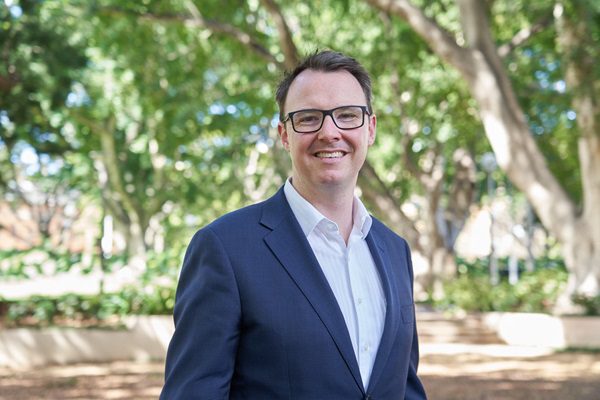
Finally, Dean Long, CEO of ATIA, reminded the industry of its duty:
“Our industry has a responsibility to lead on issues that affect human rights and ethical supply chains. The ATIA Modern Slavery Collaboration will make it easier for businesses — large and small — to meet obligations, improve transparency and work together to build a more just, accountable travel industry.”
Why It Matters
Travel is more than beaches and boarding passes. Behind every airline meal, hotel laundry, or airport shuttle lies a chain of workers, many of whom remain invisible. For too long, that invisibility has enabled exploitation. With the AMSC, Australia’s travel industry declares that business as usual is no longer acceptable.
The movement isn’t about ticking compliance boxes; it’s about ensuring that the journey we sell doesn’t cost someone else’s freedom.
By Susan Ng












hope this applies to cruise companies operating out of Australia and globally as many cruise crew are paid derisory third world wages that make the cruises relatively cheap and increase company profits. If that is not slavery I don’t know what is!