
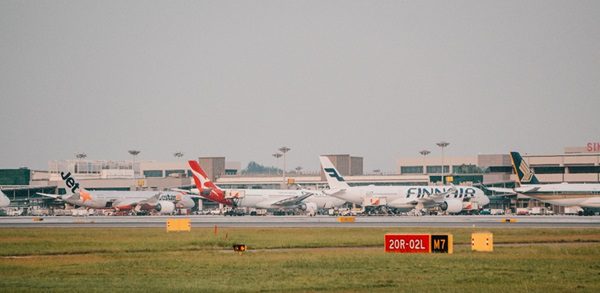
 In a milestone achievement that underscores the resurgence of global air travel, Singapore’s Changi Airport handled an impressive 67.7 million passenger movements in 2024. This marks a robust 14.8% year-on-year growth, bringing the airport’s traffic to 99.1% of its pre-Covid-19 levels in 2019. This remarkable rebound positions Changi Airport as a shining beacon in the Asia-Pacific aviation industry, demonstrating resilience, innovation, and strategic foresight.
Passenger Traffic Soars to Pre-Pandemic Levels
The fourth quarter of 2024 was particularly noteworthy, with Changi Airport handling 17.8 million passenger movements—a 10.7% increase from Q4 2023. This quarterly performance achieved a full recovery compared to Q4 2019. December emerged as the busiest month, recording 6.4 million passenger movements. The airport’s busiest day, December 21, saw 226,000 travellers passing through its terminals, marking a peak unseen since December 2019.
Regional Growth Highlights
North Asia spearheaded the recovery, with passenger traffic surging by 40% compared to 2023. China stood out as the most significant source market, with passenger volumes doubling from 2023 and exceeding pre-pandemic levels by 6%. Other key markets, including Indonesia, Malaysia, Australia, and Thailand, contributed significantly to the growth. Notably, Shanghai re-entered Changi’s top 10 cities list for the first time since 2011, with an astounding 94% year-on-year growth.
Expanding Global Connectivity
Changi Airport’s strategic expansion of its network was a cornerstone of its success in 2024. The airport welcomed eight new passenger airlines, including Aero Dili, AirAsia Cambodia, Air Canada, Air Japan, Loong Air, Peach Aviation, Tianjin Airlines, and West Air. These additions enhanced connectivity with 11 new city links, introducing destinations such as Broome, Brussels, Guiyang, Kertajati, Lhasa, and Malacca.
Travellers can also look forward to new routes in 2025, including Labuan Bajo in March and Vienna in June, further cementing Changi’s position as a premier global hub. As of January 2025, the airport hosts 100 airlines operating over 7,400 weekly scheduled flights, connecting Singapore to 163 cities in 49 countries and territories.
Resilient Cargo Operations
Changi Airport’s cargo sector also thrived in 2024, with airfreight throughput reaching 1.99 million tonnes, a 14.6% increase from 2023. Growth was fueled by robust cargo flows between Singapore and central markets like China and the United States, the recovery of electronics exports and the rise of cross-border e-commerce. Adding new freighter airlines, including Shandong Airlines and Air Incheon, alongside new cargo routes to Haikou and Nagoya, reinforced Changi’s standing as a logistics powerhouse.
Leadership Perspective
“We witnessed a year of strong growth in passenger and cargo traffic as well as connectivity in 2024,” remarked Mr. Yam Kum Weng, CEO of Changi Airport Group. “The addition of 11 new city links has significantly strengthened our air hub’s network, offering travelers and businesses unprecedented opportunities. Our close partnerships with airlines and continued investment in infrastructure will ensure Changi remains well-positioned to meet the rising demand for air travel.”
Investing in Future Growth
Changi Airport’s ongoing investments in infrastructure, systems, and processes are key to sustaining its upward trajectory. The airport’s forward-looking approach includes the development of Terminal 5 and advancements in digital technologies to enhance passenger experience and operational efficiency. With air travel demand expected to climb, these initiatives are pivotal in maintaining Changi’s competitive edge.
Conclusion
Changi Airport’s performance in 2024 underscores its resilience and adaptability in a post-pandemic world. Its achievements in passenger and cargo traffic and its relentless pursuit of connectivity reaffirm its status as a global aviation leader. As the world looks to the skies with renewed optimism, Changi Airport stands poised to shape the future of air travel.
For the latest traffic statistics, visit Changi Airport Traffic Statistics.
Written by: Octavia Koo