


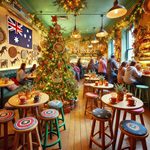
 After another year in which consumer spending has been cautious and news of hospitality venues struggling—or worse still, closing—has never been far from the headlines, the arrival of summer is much-needed for the sector. Peak season is an opportunity to not only make up for another challenging year but can also act as a springboard to success in 2025 and beyond.
There’s a growing sentiment that better times are coming, and a new golden age of hospitality is approaching – where resilient, innovative and tech and AI-empowered venues can provide personalised, loyalty-incentivising experiences for consumers eager to spend more than in recent years. However, mastering peak season is critical before venues can capitalise on that longer-term promise.
For all the potential of peak season, there are also pitfalls. Australian venues must balance managing increased demand, optimising capacity, and minimising no-shows while not compromising the guest experience.
Venue optimisation
The best way for operators to optimise peak season is to optimise their venue. For example, operators should analyse the data related to their booking slots and average turn times. If their reservation slots are for two hours, but the average turn is just 75 minutes, they’re leaving 45 minutes of unutilised capacity – and therefore revenue – on the table. With that insight, venues can consider reducing their reservation times and increasing the number of potential turns they can achieve in a given service on each table.
Balancing group bookings and individual reservations or two-tops is also crucial during the holiday season. Large parties bring higher food and beverage minimums, meaning higher profits, but that doesn’t mean venues should ignore individual—or more minor—reservations. Typically, smaller groups are quicker groups, so a combination of large bookings and smaller groups can benefit a restaurant’s bottom line.

Paul Hadida, General Manager, APAC GTM at SevenRooms.
Minimising no-shows & cancellations
No-shows and cancellations are occupational hazards in the hospitality sector. However, operators can minimise their impact, too. Ultimately, if venues provide a compelling reason to turn up, guests will—and that starts at the point of reservation. By requiring a deposit or prepayment, venues can generate a commitment from their guests, significantly reducing the likelihood of them cancelling. It’s an excellent opportunity to lock in revenue and make the first touch point memorable.
Prepayments and upsells, like adding a bottle of champagne or welcome cocktail or upgrading to a set menu or bottomless brunch, make the reservation feel less like a transaction and more like a moment. Consumers are willing to splurge when it enhances their experience, with SevenRooms data showing that reservation upgrades generate 35% more spend per reservation than those without.
Moreover, set or prix fixe menus streamline operations and keep service running smoothly, especially during peak times. This further enhances a venue’s ability to serve more guests more efficiently. Some venues also leverage overbooking to mitigate risk. For example, if a venue has a cancellation or no-show rate of 15%, they could over-book by one or two percent and closely monitor the results. If more people show up than expected, the venue might offer them a drink at the bar to buy some time or a complimentary dish as an apology. Then, refine the approach based on the results to reduce no-shows and maximise capacity.
Beyond the holiday rush
The end of summer doesn’t have to be a cliff edge. For venues, peak season is an opportunity to drive a short-term spike in reservations and revenue and use the guest experience to build relationships and incentivize long-term loyalty. When venues provide exceptional experiences, guests want to return, and the data collected throughout peak season is critical in driving guest retention when the peak season rush subsides in late February.
Whether for a cooking class in March, an evening with a sommelier in April, or simply an offer based on a dish or drink a guest ordered previously, data collected during the peak season can inform targeted, personalised marketing. Leveraging technology that enables marketing automation is critical, as it allows your team to focus more on the guest experience and less on the administrative work. Data is worth its weight in gold, and collecting this approved data on your guests – from food and drink preferences to birthdays and anniversaries – can turn peak season into sustainable revenue.
There’s growing optimism in the industry now that peak season is upon us. The venues that strategically prioritise relationship building, powered by data, will be able to capitalise on their efforts long after the holiday rush. That means optimising their venue, using reservations to reduce no-shows and maximise guest experience, and treating the summer as a springboard into a golden age of hospitality.
Written by: Paul Hadida, General Manager, APAC GTM at SevenRooms











