

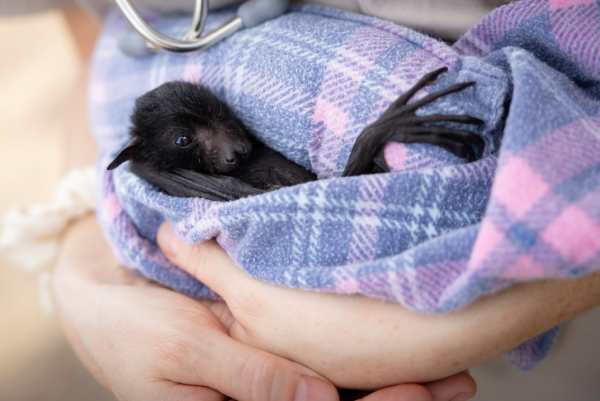
The Australia Zoo Wildlife Hospital is extending its specialist wildlife care to flying foxes in North Queensland by taking in 59 bats transported south after requiring urgent, life-saving treatment and rehabilitation.
The flagship project of the globally recognised non-profit organisation, Wildlife Warriors, was contacted for assistance following reports of large numbers of flying foxes across North Queensland becoming increasingly weak and, as a result, unable to forage for food.
Dr. Ludo Valenza, Hospital Manager and Wildlife Veterinarian at Australia Zoo Wildlife Hospital, said black flying foxes are predominantly affected; little red flying foxes have also presented with similar symptoms. The Australia Zoo Wildlife Hospital is currently investigating the cause of the health decline to ensure the stability of the wild population.
“Flying foxes are incredibly important to the health of our environment, and without them, our native forests would look very different. They play such a vital role in pollinating our trees and dispersing seeds, helping create and maintain habitats for so many other species,” said Dr Ludo.
The patients will be housed in the Hospital’s purpose-built flying fox aviary, where they will receive dedicated care, allowing them to regain their strength and learn to forage independently again.
The Australia Zoo Wildlife Hospital is already at the forefront of investigating flying fox paralysis syndrome, making its specialist knowledge and facilities an important resource in responding to wildlife emergencies beyond its local region. With no dedicated wildlife hospital servicing the affected area of North Queensland, the team was contacted to provide assistance.
Wildlife conservationist Bindi Irwin said every patient that we treat is a reminder of the incredible wildlife we share our world with.
“We are incredibly proud of the work our Wildlife Hospital team is doing to better understand the challenges facing flying foxes. By sharing our expertise and providing specialised care, we can help give these important patients the best possible chance of recovery,” Irwin said.
The Australia Zoo Wildlife Hospital continues to be one of Queensland’s leading wildlife trauma centres, having treated more than 165,000 native animals.
Through the dedication of wildlife veterinarians, carers and conservationists, the Australia Zoo Wildlife Hospital continues to provide critical support to native animals in need, while contributing to research that will help protect Australia’s wildlife into the future.
To support the lifesaving work of the Australia Zoo Wildlife Hospital and its ongoing conservation efforts, please visit wildlifewarriors.org to donate.













