

Cruise passengers have long bought their holidays by studying the ports on a map. Now some are paying not to know where they are going. It is a bold sales pitch. It also says a lot about how cruising is changing.
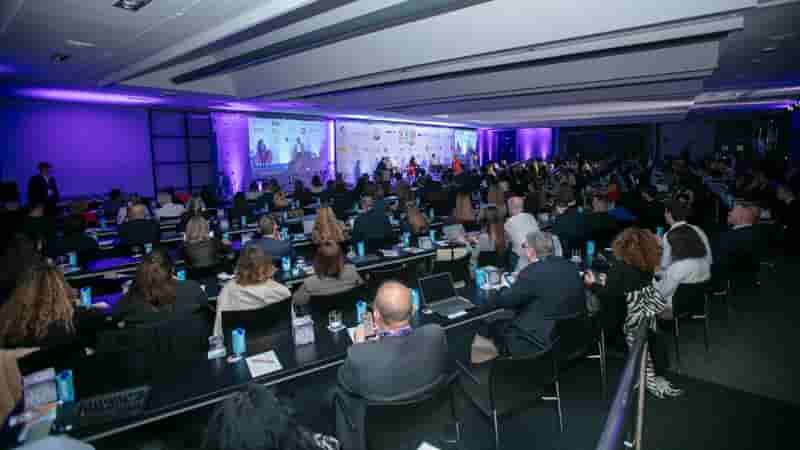
Mystery voyages will be among the talking points when cruise chiefs gather in Madrid on 10 and 11 November for the 16th International Cruise Summit. But the industry has bigger puzzles to solve. How much can ships grow? Are ports getting a fair deal? And how do you sell a world cruise when politics can change the route overnight?
Organised by Cruises News Media Group, the event at Hotel Meliá Castilla brings together cruise lines, ports, tourism bodies and the travel trade. Its aim is not simply to celebrate more ships at sea. It asks what sort of cruise holiday people will want next, and who will pay to make it work.
A voyage into the unknown
Windstar Cruises will explain the appeal of its mystery trips. Guests book first and learn about each port as the voyage unfolds. Helen Beck, the line’s managing director of global commercial operations, will discuss the sales case and the work needed to keep the route secret.
It sounds like an easy way to add some fun. In truth, a ship still needs a berth, supplies, crew plans and tours ashore. The surprise is for the guest, not the harbourmaster.
Club Med will offer a different take on life at sea. Jean-Charles Thillays, its director of cruise operations, will speak about the firm’s long history of trips under sail, which began in the 1990s. Small ships and sails are hardly new. But in a market full of giant floating resorts, they can feel new again.
Both ideas reveal the same trend. Cruise lines want to sell an experience, not merely a cabin and a list of ports.
Ports ask for a new deal
For many port towns, the classic cruise visit has been much the same for years. A ship comes in at dawn, guests rush ashore, and everyone is back on board before dinner.
Madrid will hear a case for changing that pattern. Later arrivals and overnight stays could let visitors enjoy local food, shows and city life after dark. They may also help spread the rush of people through the day.
The plan is not without costs. Ports need staff, transport and space. Local shops need customers who stay long enough to spend. And residents may wonder whether yet another ship will bring more value than strain.
Juan Trescastro of Virgin Voyages will join the debate on new port calls. Another session, called The Great Debate, will put cruise bosses and ports on the spot. Can they agree on a model that helps both sides? Fine words are easy. A fair share of the benefits is harder.
The world is getting in the way of world cruises
Long voyages will also face close scrutiny. A world cruise can take months to plan and sell. Then a conflict, a closed port or new rules can force a quick change.
In one of the more striking talks, Dr Anas Rakha of the Suez Canal Authority will ask what world cruising would look like without the canal. This is a test of routes and costs, not a claim that the canal is about to vanish.
The wider programme will probe how cruise lines shift ships around the globe, handle sudden changes and plan for the next ten years. It will also look at the ships now on order and what their size means for ports.
For Australians booked on long voyages, the stakes are clear. A change on the map can mean new ports, more days at sea and altered travel plans. A flexible itinerary may be wise. A vague answer from the cruise line is less welcome.
Luxury, solo guests and the next big market
The fight for wealthy guests is another hot topic. At the top end, cruise lines now compete with yachts, villas and private retreats. The summit will also weigh the value of private cruise destinations. They may be good business for operators, but not every port stands to gain.
Japan’s Asuka Cruise will discuss its home market. Qatar Tourism will set out its cruise plans, while other talks cover solo travel, trips to remote regions, new technology and Barcelona’s Terminal G.
Tourism Economics, part of Oxford Economics, will open the main sessions with data on demand, ship capacity and spending on new assets. The figures should help test some of the bolder claims.
Among the speakers are Fred. Olsen Cruise Lines chief executive Samantha Stimpson, who will give a one-to-one interview, and Marella Cruises chief executive Chris Hackney. Senior figures from MSC Group, Norwegian Cruise Line, Silversea and other firms are also due to speak.
For Australian travel advisers, the point is practical. A wider choice of cruises may bring new sales, but it calls for sound advice. Clients need to know what they are buying, what may change and what happens if it does.
After all, the best cruise surprises should be the pleasant ones.
The International Cruise Summit will be held at Hotel Meliá Castilla, Madrid, on 10–11 November 2026. More details and the full programme are on the official International Cruise Summit website.
By: Octavia Koo – © 2026.
Read Time: 5 minutes.
Author Bio:
 Octavia Koo arrived in Australia in the early eighties with little fuss and a good eye. Sydney suited her. At UNSW, she studied Arts, then found her footing in graphic design before drifting, quite naturally, into the digital side of things, building websites and shaping words that made people want to stay.
Singapore followed, and with it, the fast pace of tourism platforms and ITB Asia. Long before SEO became a buzzword, Octavia understood how stories travelled online. That’s where she met Stephen, and the seed for something more was planted.
A few years later, she joined Stephen’s EGT Media.
Today, Octavia works with quiet assurance, blending art, instinct and experience to produce stories that don’t shout; they simply work and linger.













