

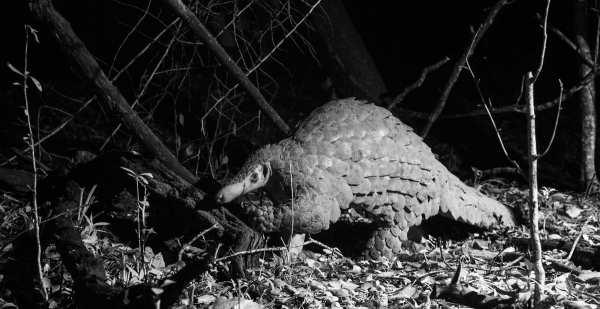
The Wilderness Trust is supporting The Pangolin Project’s establishment of a new ranger and operations base in Kenya’s highly threatened Nyekweri Forest, home to the country’s last known population of between 10-16 giant ground pangolins. Located on the Oloololo Escarpment, near the newly opened Wilderness Mara, the facility will strengthen round-the-clock wildlife monitoring, ranger communications and emergency response capabilities to help safeguard one of Africa’s rarest and most elusive mammals.
Founded in 2020 by veterinary epidemiologist Dr Claire Okell, The Pangolin Project is Kenya’s only organisation dedicated exclusively to pangolin conservation. Working alongside local communities and conservancies, the organisation has secured more than 7,000 hectares under conservation agreements with local landowners, established a 21-person community ranger team, and developed one of Africa’s few long-term monitoring programmes for the giant ground pangolin.
‘Protecting a population as small and vulnerable as Kenya’s giant ground pangolins requires constant monitoring and a dedicated team on the ground,’ said Dr Okell, Founder and Director of The Pangolin Project. ‘Our rangers work in remote areas, often at night and in difficult conditions, to track individual pangolins and respond to threats. This support from the Wilderness Trust will make a significant difference to their safety, living conditions and ability to protect these extraordinary animals, while strengthening our long-term conservation efforts in Nyekweri.’
The funding from the Wilderness Trust will support the establishment of a dedicated ranger outpost at Tumpelian, within Kimintet Conservancy, approximately 20 km from The Pangolin Project’s main operations base. Currently operating from temporary tented facilities with limited communications, the seven-person Pangolin Protection Unit faces considerable challenges in coordinating patrols, monitoring wildlife and responding to emergencies, particularly during the region’s prolonged rainy season.
The new base will provide accommodation, kitchen and dining facilities, rainwater storage and Starlink connectivity, using repurposed shipping containers as a durable and relocatable solution. Complementary funding will provide additional office, solar and radio communications infrastructure, enabling rangers to maintain 24-hour contact with the central operations team, access real-time wildlife monitoring data through EarthRanger, and respond more effectively to threats across the landscape.
One of the greatest threats to giant ground pangolins in Nyekweri is electric fencing, which previously claimed an estimated one to two pangolins every month. Through its Pangolin Friendly Fences Programme, The Pangolin Project has already made more than 130 km of fencing safer, significantly reducing fence-related mortality. Its locally recruited rangers patrol the forest daily, using tracking technology and camera traps to monitor individual pangolins, identify new animals and their burrows, and respond to threats. With such a small population remaining, protecting every individual is critical to the species’ survival in Kenya.
‘The Pangolin Project team has demonstrated what can be achieved when local communities are at the heart of conservation,’ added Alisa Karstad, Wilderness Kenya Impact Manager. ‘By providing the infrastructure and resources these rangers need, we’re strengthening their ability to protect Kenya’s last known giant ground pangolins, and the forest and other wildlife that share their habitat.’
Alongside Wilderness’ support for The Pangolin Project, its Children in the Wilderness programme recently launched an indigenous tree nursery project at Enkereri Primary School nearby. Seedlings from the nursery will contribute to restoration efforts in Nyekweri Forest, connecting environmental education and habitat restoration with the protection of one of Kenya’s rarest mammals.‘Protecting the forests that sustain the Mara is central to our purpose at Wilderness Mara and our wider Wilderness Impact strategy’, concluded Vincent Shacks, Wilderness Group Head of Impact. ‘By supporting The Pangolin Project, we are helping protect both a critical forest habitat and Kenya’s last known giant ground pangolins – a good example of our Protect pillar in action.’











