

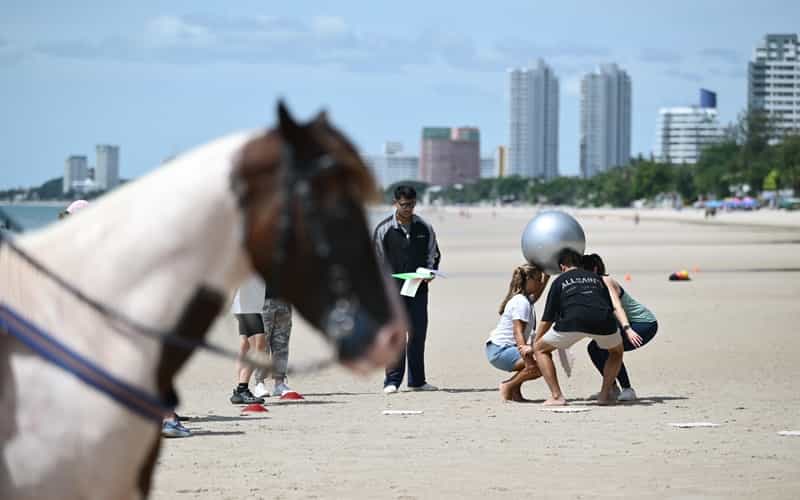
Thailand is spreading its business events ambitions far beyond Bangkok, with six newly certified destinations promising fresh opportunities for international conferences, corporate incentives and local economies.
Thailand MICE cities are moving beyond the familiar conference circuit, with six new destinations gaining official status and the national network climbing from 10 to 16.
For meeting planners, incentive specialists and convention organisers, that is a 60 per cent increase in the number of certified choices. For regional Thailand, it is something potentially more valuable: a chance to turn visiting delegates into customers for local hotels, restaurants, transport operators and communities.
The Thailand Convention and Exhibition Bureau (TCEB) confirmed the expansion under its 2026 MICE City: 16 Destinations initiative. The newcomers are Chiang Rai, Ubon Ratchathani, Rayong, Hua Hin-Cha-am, Krabi and Nakhon Si Thammarat.
Bangkok has hardly been handed its notice. Yet Thailand is making the persuasive case that the best place for a business event might also be somewhere guests would happily stay for an extra weekend.
More than a handsome nameplate
MICE, for those who do not live and breathe the industry’s alphabet soup, means meetings, incentives, conventions and exhibitions. The designation is intended to identify destinations with the services and infrastructure to compete for this business, rather than simply good beaches or an attractive brochure.
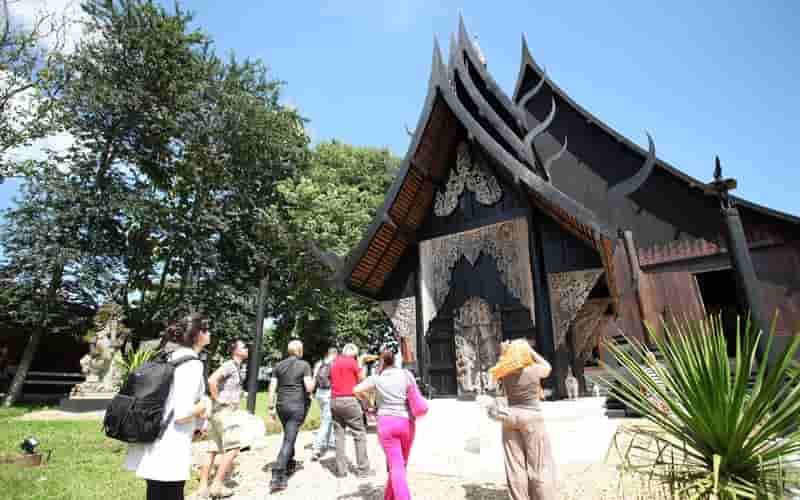
Chiang Rai in the North_Exploration of a City of Creative Art
TCEB says its September assessment involved public- and private-sector experts examining eight criteria and 32 indicators. These covered access and transport links, support for organisers, accommodation, venue standards, activities before and after events, destination reputation, safety and risk management.
Three established members Surat Thani, Phitsanulok and Udon Thani also renewed their certification. The exercise is therefore about maintaining standards as well as adding names to the map.
Dr Supawan Teerarat, TCEB president, summed up the ambition:
“With six new MICE Cities, Thailand is expanding the choices available to event organisers while creating more opportunities for destinations across the country to participate in the MICE economy. Each city has its own Destination DNA, and our role is to help transform these distinctive strengths into meaningful MICE experiences and lasting economic impact.”
It is a worthy objective. The trick, as always, will be converting that promise into confirmed events, repeat business and income reaching beyond the hotel lobby.
Six destinations, six different selling points
Chiang Rai: culture with altitude. Thailand’s far north can offer delegates an experience very different from a capital-city conference. Tea and coffee producers, art, mountain scenery and layered cultural traditions provide appealing ingredients for incentive programmes. Air links with Bangkok support access, although planners will still need to check schedules and group logistics.
Ubon Ratchathani: an Isan original. In the northeast, Ubon Ratchathani brings strong cultural identity, the celebrated Candle Festival and a position within the wider Mekong region. For associations and incentive groups seeking a less predictable itinerary, its traditions and local businesses offer scope for programmes that do more than move delegates between meeting rooms.
Rayong: serious business on the eastern seaboard. Rayong’s appeal is as much industrial as coastal. Its place in the Eastern Economic Corridor gives it a natural pitch for manufacturing, technology, supply-chain and investment-related gatherings. Road connections and regional access to U-Tapao make it worth examining for specialist events, with practical transport arrangements still requiring careful planning.
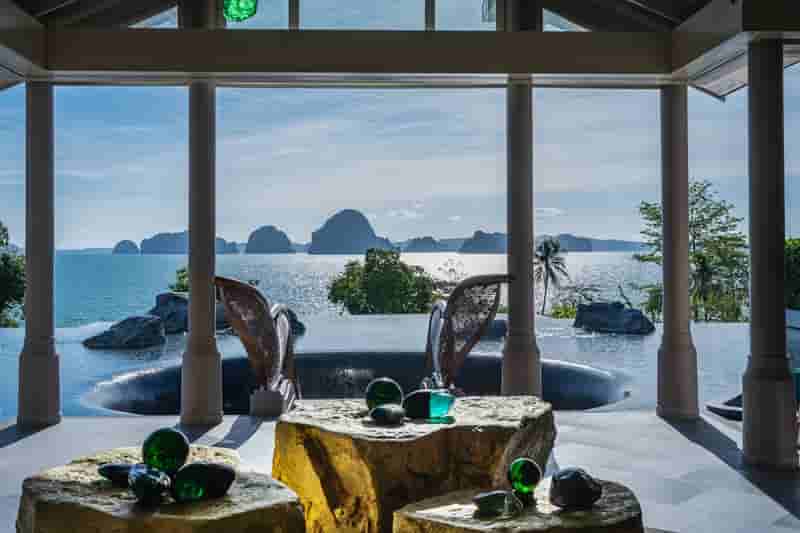
Krabi offers event space with breathtaking ocenic scenery
Hua Hin–Cha-am: boardroom meets beachfront. This paired resort destination combines accommodation, established hospitality, golf, wellness and coastal leisure within driving distance of Bangkok. There is obvious potential for corporate retreats and incentive groups seeking both formal sessions and time outdoors. Thailand’s government has also promoted a “5 Senses. One Destination” approach built around wellness, heritage, gastronomy, the seaside and sustainability.
Krabi: incentives with a spectacular backdrop. Dramatic limestone formations and Andaman Sea scenery are formidable attractions, but a successful conference needs more than a postcard view. Hotels, event facilities and opportunities to engage with local communities give organisers ways to build a programme around place, while balancing leisure appeal against event requirements.
Nakhon Si Thammarat: heritage takes centre stage. This southern destination offers historic Buddhist sites, regional food traditions, agriculture and striking landscapes. Its point of difference may suit smaller conferences, educational gatherings and incentive programmes looking for stronger cultural connections rather than another interchangeable resort experience.
Together, the six additions broaden Thailand’s offer across culture, industry, coastal resorts and nature. They should not, however, be treated as six identical substitutes for Bangkok or Phuket. The sensible question is not which city sounds most exotic, but which one best fits the delegate profile, meeting format and budget.
Why Australian event planners should pay attention
For Australian corporate travel buyers and professional conference organisers, more certified options could mean greater flexibility when shaping a Thailand programme. A specialist industry meeting may benefit from Rayong’s business networks; a reward trip could find a better fit in Krabi; a leadership retreat might favour Hua Hin–Cha-am.
There is also a commercial argument for taking events further afield. Delegates spend money on rooms and meals, certainly, but also on guides, transfers, attractions and local experiences. If properly managed, that spending can support more businesses and help regional destinations develop skilled event workforces.
Certification is a useful starting signal, not a blanket guarantee of venue capacity or seamless air access. Organisers should still inspect venues, test transfer times, confirm accessibility and emergency plans, and ask for evidence of sustainable practices. In business events, the details have an unfortunate habit of arriving before the keynote speaker.
TCEB points to evidence of international meeting activity beyond Thailand’s established hubs. According to the bureau, Chiang Rai, Rayong and Nakhon Si Thammarat appeared in the International Congress and Convention Association’s 2025 statistical reporting, while Hua Hin featured in its 2024 edition. The ICCA’s 2025 research tracks international association meetings; inclusion should not be mistaken for a quality endorsement or a forecast of bookings.
What happens after the certificates are framed?
TCEB has outlined three development priorities. The first concerns infrastructure and connectivity, including lessons from its EEC MICE Sandbox and a proposed area-based development playbook. The second is its City-as-Content approach: building events around each destination’s identity rather than rolling out the same programme in different postcodes.
The third is strengthening local suppliers and business networks, so that more of the economic benefit can remain in the communities hosting events. Sustainability forms part of the plan through the Thailand Sustainable Event Management Standard (TSEMS).
Thailand’s full 16-destination network now comprises Bangkok, Chiang Mai, Pattaya (Chon Buri), Khon Kaen, Phuket, Nakhon Ratchasima, Udon Thani, Songkhla, Surat Thani, Phitsanulok, Chiang Rai, Ubon Ratchathani, Rayong, Hua Hin–Cha-am, Krabi and Nakhon Si Thammarat.
Next year, TCEB plans renewal reviews for Bangkok, Chiang Mai, Phuket and Khon Kaen, alongside assessment criteria better tailored to different kinds of destinations.
That may be the most important point of all. Thailand is not merely putting six more pins on a map. It is trying to build a national meetings economy in which each destination has a distinct reason to be chosen. The certificates are now in place. The bookings, and the lasting benefits for local communities, will be the real test.
By: Kanda Limw – © 2026.
Read Time: 6 minutes.
Author Bio:
 Kanda Limw is one of those rare people every office quietly depends on. She doesn’t fuss or fanfare her way through the day she simply notices what needs doing and gets on with it, often before anyone else has drawn breath.
Years behind the scenes have taught her that good administration isn’t about control; it’s about care. Diaries align, tensions soften, loose ends disappear. When the day threatens to tilt, Kanda steadies it without drama.
There’s something reassuringly old-fashioned about her reliability. She listens properly, remembers the small things, and does what she says she will.
Kanda has no appetite for the spotlight. Yet ask anyone who works alongside her, and they’ll tell you when she’s there, everything runs just a little smoother.











