

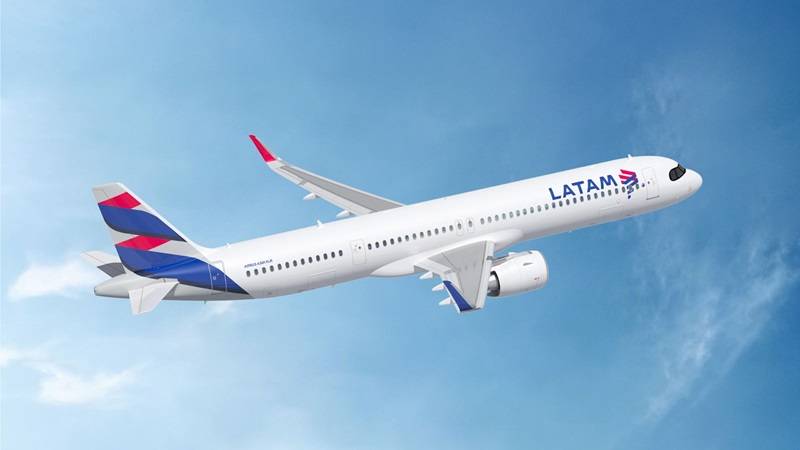
The LATAM satellite Wi-Fi investment puts serious money behind a simple idea. An aircraft’s internet connection should work when passengers need it.
The group will invest more than US$25 million, roughly A$34.8 million at the stated conversion. The money will bring multi-orbit satellite Wi-Fi to more than 60 new Airbus and Embraer aircraft. Those jets include the Airbus A320neo and A321XLR, plus the Embraer E195-E2.
For travellers, the promise is clear: faster and more reliable internet across more routes. For LATAM, it is another firm step towards making Wi-Fi a standard cabin service. It should no longer be a touchy luxury that disappears somewhere over the Andes.
Multiple orbits, fewer excuses
The new SES multi-orbit connectivity system can use satellites in different orbits. That choice should improve coverage as an aircraft moves across LATAM’s vast network. It is also designed to make the connection more stable in flight.
SES says the jets will use its new electronically steered array antenna. The device is less than seven centimetres high. Its slim shape helps to limit drag while delivering broadband. In aviation, even the Wi-Fi hardware must mind its waistline.
“At LATAM, we are committed to making every journey more connected. By introducing next-generation multi-orbit connectivity across a larger portion of our fleet, we will provide our passengers with a fast and reliable onboard internet experience, helping them stay connected wherever they fly, while continuing to raise the standard of travel across Latin America,” said Paulo Miranda, Vice President of Customer Experience at LATAM Airlines Group.
The rollout builds on a relationship between LATAM and SES that has lasted almost a decade. More than 200 Airbus A320-family aircraft already use the provider’s 2Ku service. In all, LATAM says over 250 aircraft in its fleet have Wi-Fi. That gives it the largest connected fleet in the region.
That scale matters. LATAM is not testing a novelty on a few showcase jets. It is making connectivity standard cabin equipment. The investment also links better digital service with newer, more efficient aircraft. That gives LATAM a clear product story as its fleet grows.
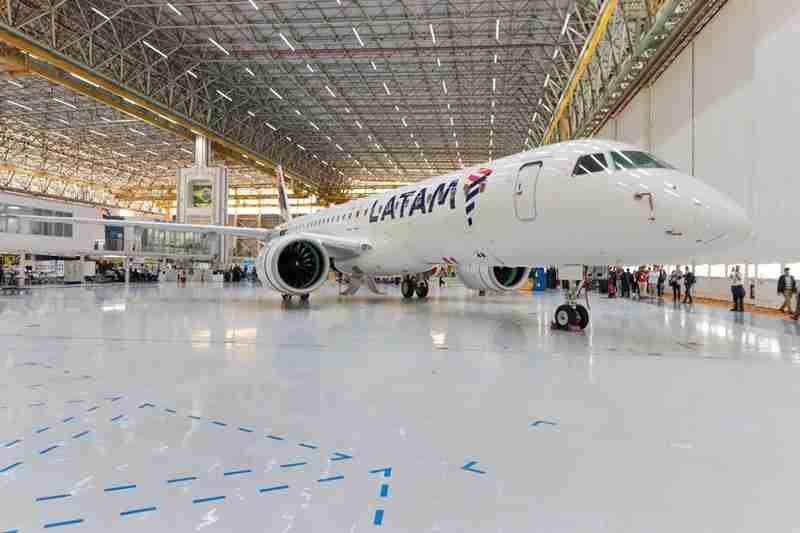
LATAM Airlines Satellite WiFi
Free Wi-Fi adds loyalty value
The best detail may be the price for LATAM Pass members: nothing. They can use onboard Wi-Fi free of charge on equipped services. The benefit takes the loyalty program from the terminal into the cabin.
That may sound modest beside upgrades and lounge access. Yet sound Wi-Fi has become a real point of difference. Business travellers can answer emails. Families can remain in touch. Holidaymakers can post the required wingtip photograph before the wheels meet the runway. The clouds, it appears, are no longer a fair excuse for ignoring the inbox.
LATAM has not given a firm completion date. It says the SES system will reach the 60-plus aircraft “over the coming years”. Access will depend on aircraft delivery, installation and the route flown. Passengers should check the facilities for their flight. They should not assume that every LATAM jet will offer the new service at once.
Entertainment remains firmly on board
Wi-Fi will sit beside LATAM Play, the group’s onboard entertainment platform. LATAM says the service has more than 2,000 hours of content. That includes over 300 films, more than 1,000 television episodes and upwards of 900 music albums.
The library also has children’s shows and reading material. It carries productions from Disney+, HBO Max and Paramount+. Drinks and snacks complete the picture. Passengers should have ample help with that great modern ordeal: several hours without deciding what to stream next.
The business message is more serious. Airlines now compete across the whole digital journey, not just schedules, fares, and seats. Good Wi-Fi can build loyalty, help people work, and broaden entertainment options. It also gives an airline another way to serve customers during the flight.
LATAM’s US$25 million commitment is therefore more than an upgrade to the cabin router. It is an investment in the way people now expect to travel. They want to be connected and entertained. They would also rather avoid the little spinning wheel of doom at 35,000 feet.
By: Bridget Gomez – © 2026.
Read Time: 3 minutes.
Author Bio:
 Bridget has never been built for stillness. Of Portuguese heritage, she began as a nurse, tending veterans at the Repatriation Hospital, listening to stories as colourful as the life she was yet to live. It was worthy, steady work, but wanderlust, as always, proved louder than routine.
So, she traded starch for a backpack and disappeared for a year, chasing trains, sunsets and the occasional regrettable glass of wine. She wrote everything down: the dust, the laughter, the missteps, the magic. Those notebooks became a travel blog, then a habit, then a calling.
Eventually she found Global Travel Media, or perhaps it found her.
Today Bridget writes with heart, humour and a dash of mischief, still travelling, just now with words.











