

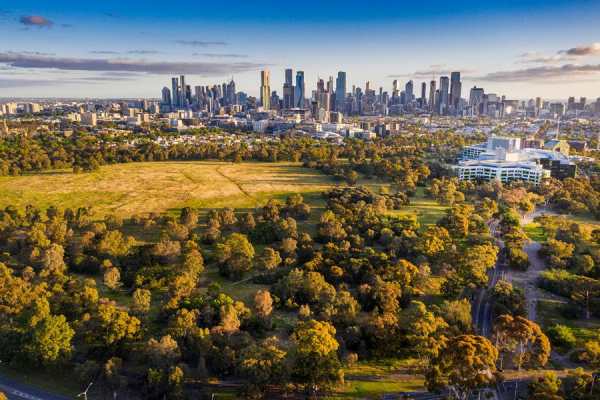
The City of Melbourne is embarking on a bold 20-year vision for Royal Park – reconnecting the park, expanding native habitat and creating more parkland for recreation, storytelling and wildlife.
Council endorsed the Murrup Biik – Royal Park Master Plan at last night’s Future Melbourne Committee meeting, following 3 years of extensive community engagement and expert review.
The long-term vision for the City of Melbourne’s largest park is simple – more parkland, a healthier environment and better access for everyone.
More than 40,000 people already visit Royal Park every day, with that number expected to reach 55,000 by 2046 – making it more important than ever to plan for the park’s future.
The plan identifies opportunities to create more than 40,000 m² of additional parkland, helping accommodate this growth while bringing Royal Park closer than ever to its original footprint recorded in the 1840s.
The plan will strengthen the park’s wildlife and biodiversity by expanding native habitat, creating better conditions for plants and animals to thrive, and improving ecological connections – which could see hundreds of native species return.
A new lighting framework is also proposed to improve safety while protecting biodiversity and the night sky. Council will seek ‘Urban Night Sky Place’ designation for Royal Park, which would make it the first location in Victoria to achieve the status.
Other key proposals in the master plan include:
- Exploring ways to help people and wildlife move more freely between areas of the park, including improved walking and cycling trails.
- Making better use of existing sports fields to accommodate both organised sport and other activities.
- Better recognising the park’s enduring connection to Aboriginal culture, including a recommendation to rename the park in Woi-wurrung language.
- Introducing new water bodies and water sources to support cooling and biodiversity.
Royal Park has been guided by master plans adopted in 1984 and 1997, both of which were visionary in reimagining a native Australian landscape within a public parkland setting.











