

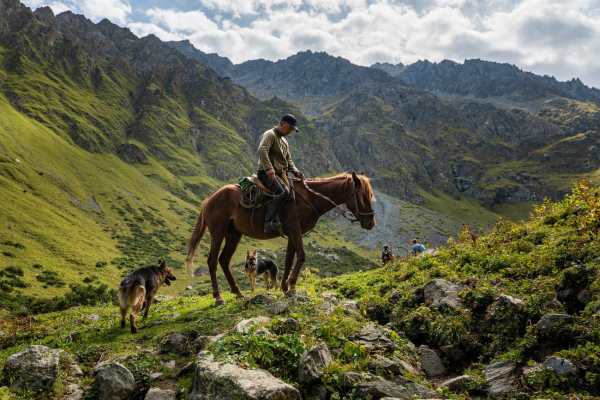
World Expeditions has recorded a sharp rise in demand for guided horse treks since launching its dedicated Horse Trek series late last year, with many 2026 departures now booked out and bookings opened for 2027. It reflects a growing appetite among Australian travellers to be part of the landscape and travel as the locals do.
World Expeditions’ horse treks travel on horseback through remote, culturally rich regions where longstanding equestrian traditions still shape the landscape and the communities who live in it. The collection spans Argentina, Chile, Dolpo and Mustang in Nepal, Kyrgyzstan and Mongolia.
In the past six months alone, page views on the horse trek range have jumped 63%, from 5,863 to 9,551, and active users have risen by the same margin, from 4,014 to 6,550. Enquiries have nearly tripled as the collection has grown and word has spread.
And some destinations are galloping ahead of the pack
The Central Mongolia Horse Trek has emerged as a standout with three 2026 departures full or close to full, followed by the Kyrgyzstan Horse Trek with page views more than tripling since launch and active users increasing by more than 250%. Nepal’s Into Dolpo: Phoksundo Lake Horse Trek has followed a similar trajectory, with views more than tripling and active users climbing by more than 235%.
The newer journeys in Chilean Patagonia and Argentina’s Tierra del Fuego are steadily gaining momentum.
“We introduced horse treks to our portfolio knowing there was interest from our audience of active and adventure travel enthusiasts. But nothing prepared us for the level of demand we are seeing for these treks,” says Sue Badyari – CEO of World Expeditions Travel Group.
“Travelling by horse changes both the pace and perspective of a journey. Travelling with horsemen and women from the region, they travel deep into landscapes where roads are few or non-existent, while creating opportunities to experience places through a tradition that remains an important part of everyday life in many of these regions.”
For World Expeditions traveller Emma Hutchinson it was the immersive nature of the journey and the access it provided to local people and ways of life that made the horse trek experience so memorable.
“This wasn’t a tour where you simply observed from a distance,” Hutchinson said. “We rode alongside local horsemen, visited nomadic families, helped where we could and learnt about traditions that continue to shape everyday life. Every interaction felt genuine.”
She said the knowledge and generosity of the local team transformed the journey, allowing travellers to gain an understanding of local life that went well beyond conventional sightseeing.
“The local guides were beautiful, so generous with wanting to share not just the typical information but little nuances of traditions, norms and rites of passage. We felt like we understood life, not just the attractions and history.”
While World Expeditions’ growing horse trekking collection is still relatively new, the rapid growth in online interest suggests travellers are embracing a style of active adventure that combines remote wilderness, meaningful cultural encounters and a slower, more immersive way of experiencing a destination.
As Hutchinson summed it up: “I came home with incredible memories, a deeper appreciation for a different way of living and a group of friends I never expected to find.”
World Expeditions is one of the few global operators to have adopted formal animal welfare guidelines across all destinations. The new horse treks have been developed in close collaboration with local partners and communities, ensuring best-practice care for animals and genuine benefits for host communities.











