

CATO has wasted no time turning its merger with the Australian Travel Industry Association into a working plan for the touring sector.
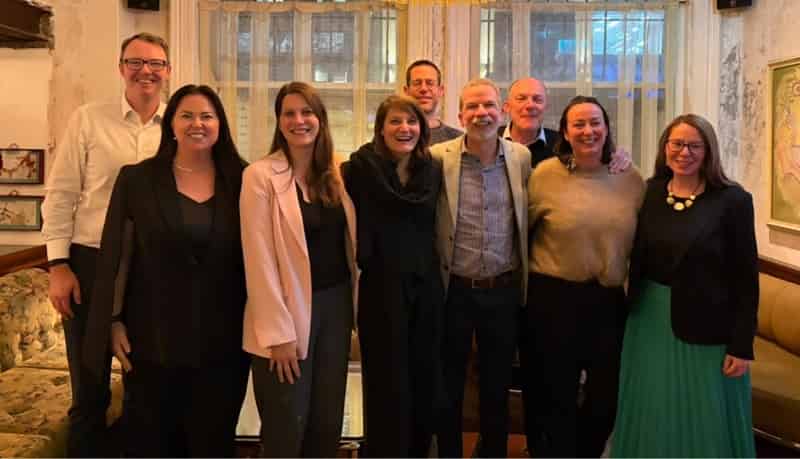
The CATO Committee met in Sydney on Monday, 10 August, with Chair Sean Martin leading talks on what comes next. The goal is simple: give touring businesses a stronger industry voice, offer members more value and help travel agents sell more tour and wholesale product.
CATO became a protected division of ATIA on 1 July 2026 after members of both groups backed the merger in June. That move brought tour operators and wholesalers into a wider peak body alongside travel agents and travel management companies.
For CATO members, the big gain is reach. They can now draw on ATIA’s advocacy, accreditation and national resources. At the same time, the touring sector keeps its own dedicated place inside the group.
That could be a valuable mix.
Touring is one of travel’s great sales stories, but it is not always the easiest product to explain. There are routes, room types, inclusions, touring styles and daily plans to compare. The better an agent knows the product, the easier it is to turn interest into a booking.
Touring Academy takes centre stage
That is where the CATO Touring Academy comes in.
Launched in 2024, the Academy provides agents with training focused on land-based touring. It has developed into a specialist industry education platform covering touring, destinations and supplier brands. CATO now wants to grow that work. More tools, more education and more events are all being considered as part of the new structure.
Martin said the merger gives CATO room to grow while keeping the touring sector firmly in view.
“This is an exciting opportunity to shape the next chapter for CATO and ensure the touring sector has a strong, influential voice within ATIA’s Vision 2030.”
The Committee is also looking at ways to expand CATO events and member services. The aim is not to add bells and whistles for the sake of it. It is to provide operators with stronger support and agents with the knowledge they need to sell with confidence.
There is sound business logic behind that plan.
Better-trained agents can explain value more clearly. They can match travellers with the right touring style. They can also spend less time hunting through the fine print and more time closing the sale.
For tour operators, that can mean stronger distribution and better results through the retail network. For agents, it can mean smoother sales and happier clients.
Everyone wins, which, in travel, is a welcome change from the usual fight over who gets the armrest.
CATO looks towards 2030
ATIA’s A30 strategy provides the wider setting. The program aims to strengthen the association’s ability to meet changing industry needs and to give different parts of Australian travel meaningful representation within the national body.
CATO will take the next major step in October, when the Committee holds a full strategy day. That meeting will set priorities, shape the member offer and build a roadmap to 2030.
The Sydney discussions have therefore done more than put another meeting into the diary. They have begun defining what CATO wants its post-merger role to look like and, more importantly, what members should receive in return.
Martin has made clear that listening to members will be central to that process, with agent education, stronger services and industry representation among the major themes heading into October.
The merger itself is now done.
The real story is what CATO does with it.
It has a larger platform, a stronger industry voice, and a clear opportunity to help agents sell touring better. Now comes the important part: turning that promise into results.
And in travel, as in touring, the route matters almost as much as the destination.
By: Sandra Jones – © 2026.
Read Time: 3 minutes.
Author Bio:
 Sandra has spent a working lifetime quietly rescuing journeys, one itinerary, one anxious caller, one impossible connection at a time. Years in Australia’s finest travel agencies taught her the art of calm, how to find a flight in a fog of cancellations, how to soothe a traveller when luggage wanders, how to turn nine frantic days in Europe into something resembling sense. Qualified, seasoned, endlessly patient, she learned that good travel advice is part logistics, part listening.
But the storyteller in her was always waiting its turn. Writing offered a new map, a way to turn experience into reflection, detail into delight. At Global Travel Media, Sandra now writes the truths only insiders know: the mishaps, the laughter, the grace found between gates and goodbyes. She reminds us that travel, for all its fuss, is still one of life’s better ideas.











