

Cycling holidays are one of the fastest-growing segments of global tourism, with travellers seeking out slow, sustainable and experience led-travel that allows them to connect with nature, culture and community.
Globally, Asia-Pacific is the fastest-expanding cycling tourism market, with Japan’s cycle tourism market alone set to be worth USD16.4 billion by 2033, growing at a compound annual growth rate of 11.4% from 2025 to 2033.
So, what is it about cycling in Japan? Simply put, it’s just made for it.
With over 80 million bikes in circulation in Japan and everyone from university students to homemakers using them as a mode of transport to go about their day, it should come as no surprise that Japan is well set up for two wheels.
It boasts a canvas of cycle paths that are well built and maintained, well connected and highly accessible, enabling riders to get around both Japan’s big cities and its regions easily and pleasantly – riders can take in views spanning the waterways and islands of the Chugoku region, to the volcanic lakes and lavender fields of the Hokkaido Prefecture.
Sydney Office, Japan National Tourism Organization (JNTO) Executive Director, Naoki Kitazawa said, “We are incredibly proud of the investment in cycling infrastructure and the fact cyclists feel safe and welcome in Japan. Traveling on two wheels offers a slower way to experience Japan’s diverse landscapes and seasonal beauty, letting visitors avoid the crowds, head farther afield and immerse themselves in regional history and culture at their own pace.
“We are also seeing health and wellness trends fuelling the popularity of cycle tourism, with people today focused on maintaining active lifestyles and choosing travel experiences that include physical activity.”
Travellers are spoilt for choice when it comes to cycling in Japan. Here are four ideas to try in 2026.
-
Hit an iconic route
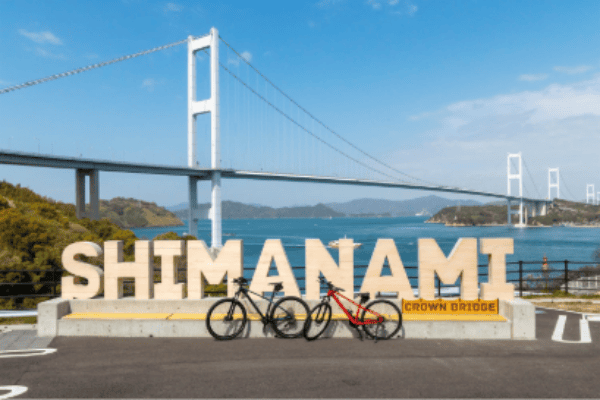
Japan has many cycling routes, but the best known is the Shimanami Kaido, an 85km purpose-built cycling trail connecting the six islands of the Seto Inland Sea in the Chugoku and Shikoku regions. The route is relatively flat, with occasional climbs onto suspension bridges to cross between each island and it’s been named by CNN as one of the world’s best cycling routes thanks to its ocean views, island culture and food stops. For a different perspective, travellers can explore the foothills of Mt Fuji on guided e-bike ecotours, following quiet forest trails and rural roads while learning about the national park’s unique ecosystem, history and volcanic landscape.
-
Or hit the beach
Japan is known for its unique experiences, and cycling is not immune to this. Located on the Noto Peninsula in Ishikawa Prefecture, the Chirihama Nagisa Driveway is not as its name would suggest; in fact, it refers to a 13km stretch of hard-packed sand bordering the Sea of Japan. Best ridden on a mountain bike or hybrid with wider tyres, cyclists report gaining speeds of up to 30km/hr, just metres from the ocean’s breaking waves. Another cycle spot to take in water views on two wheels: the Wakasa Bay Cycling Route. Set in the Fukui Prefecture, it winds past beaches and lakes, each a striking shade of blue.
-
Add a little flavour
The food and wine in Japan are just as memorable as its cycling. Nagano and Yamanashi Prefectures are two of Japan’s designated wine regions and boast thoughtfully produced drops alongside cycling terrain to suit everyone from experienced to casual cyclists. Food-wise, there are roadside options aplenty, from restaurants serving up local delicacies packed with flavour, to convenience stores and vending machines selling snacks that Japan is so known for.
-
Try a multi-path challenge
Japan’s National Cycle Route is a network of cycling paths, each recognised by the government for their exceptional beauty and infrastructure. Currently there are six National Cycle Routes – the Shimanami Kaido is one – each offering a unique taste of the region they’re found in. Travellers are invited to cycle just one, or to hop from region to region and prefecture to prefecture and cycle two or more.
Five tips for cycling in Japan
-
Cyclists must follow local traffic rules, wear helmets and observe ‘Share the Road’ guidelines.
-
Bike hire is widely available from dedicated stores, tourist offices and hotels with everything from road bikes to cruisers and e-bikes on offer.
-
There are many tour and travel agencies that specialise in tours and cycling adventures including www.mtfujiecotours.com. For more information go here, visit www.japan.travel/national-
parks/things-to-see-and-do/ cycling/ -
Many of Japan’s premier cycling destination offer comprehensive support services, including accommodation booking, luggage transfers and ride support vehicles, making multi-day cycling holidays easy to enjoy.
-
There are plenty of places to rest your head along the way, with many properties catering to the needs of cyclists. In the Shimanami region, WAKKA offers cyclist-friendly accommodation https://wakka.site/en/, while Cycling Island Shikoku showcases places to stay, dining and cycling support providers https://cycling-island-
shikoku.com/en/index.html. For cyclist-friendly accommodation throughout Japan, visit Cyclist Welcome https://cyclistwelcome.jp/en/ category/accommodations.











