

The travel industry enters the second half of 2026 having learnt an old lesson: turbulence is unpleasant, but it does not always change the destination.
Fresh research from Arabian Travel Market’s official research partners, STR and Euromonitor International, indicates that demand for travel remains firm despite conflict, flight disruptions and weaker confidence in parts of the Middle East.
The risks are real. Yet travellers are not simply staying at home. Many are changing where they go, when they book and how much flexibility they expect. That shift matters. In an industry built on confidence, the difference between a cancelled trip and a changed trip can be worth billions.
Euromonitor International’s Travel in an Age of Poly-Crisis report provides one of the clearest signs of that underlying strength. It forecasts that travel spending across the Middle East and Africa will rise by 47.7 per cent between 2025 and 2030. The increase would add more than US$50 billion to the region’s travel economy.
That is no small vote of confidence. It comes as inflation, higher operating costs and global events continue to test both households and travel businesses.
The report also says global travel spending is now above pre-pandemic levels. In many markets, it is growing faster than GDP. People may be cutting back elsewhere, but holidays and shared experiences are proving difficult to cross off the household list.
In plain English, people still want to go somewhere.
They may choose a destination closer to home. They may book later, stay fewer nights or insist on flexible conditions. However, the desire to travel remains strong. That is good news for airlines, hotels, tourism boards and travel advisers, all of which have had to watch the booking screen with one eye and the evening news with the other.
Demand Has Changed, Not Vanished
The research points to three forces that are likely to shape the next stage of tourism: changing demand, renewed confidence and the accelerated adoption of technology.
First, travel habits are evolving. More people are choosing regional trips and flexible bookings. They also want experiences that feel personal, meaningful and worth the money.
Traditional sightseeing still matters. Yet many guests now want a story to take home, not merely a receipt and 300 photographs of breakfast.
Digital service now runs through the entire journey. It influences inspiration, research, booking, updates and customer support. It also helps travellers share their experiences after they return home.
Travel businesses can no longer treat digital service as a pleasant extra. Those that do may soon find themselves filed away beside the fax machine.
The second force is confidence. STR expects hotel performance in key Middle Eastern markets to improve as safety perceptions strengthen, air connectivity returns, and destination marketing regains momentum.
Not every market will recover at the same pace. Destinations with a broad mix of visitors should have an advantage. So should those with strong air links, proven hospitality infrastructure and consistent investment.
The old rules still apply: make the destination easy to reach, keep it safe, provide good service and give people a compelling reason to visit.
Technology Becomes a Useful Shock Absorber
The third force is innovation, led by artificial intelligence and the more effective use of data.
Euromonitor International points to AI-powered service, predictive support and more personalised offers as key competitive tools. For travellers, that may mean faster answers and fewer booking problems. It may also mean less time arguing with a chatbot that appears to have been trained by a parking meter.
For travel businesses, the prize is greater. Better data can guide room rates, staffing and inventory. It can identify a problem before it becomes a complaint. It can also help a business offer the right product to the right customer at the right time.
Hotels are placing greater emphasis on revenue optimisation, service and the guest experience. That makes commercial sense. New software is useful only when it solves a genuine problem. A shiny screen is not a strategy.
The findings align closely with the ATM 2026 theme, “Travel 2040: Driving New Frontiers Through Innovation and Technology”. The event will explore how new tools, stronger planning and changing guest expectations are reshaping global tourism.
Danielle Curtis, Regional Portfolio Director – UAE, RX Global, said periods of uncertainty often accelerate change. She added that “traveller confidence has not disappeared; it has evolved.”
That line sums up the research neatly. Demand is still present, but it is more discerning. Travellers expect value, choice and reliable support. They also expect businesses to respond quickly when plans change.
Research Moves to the Conference Floor
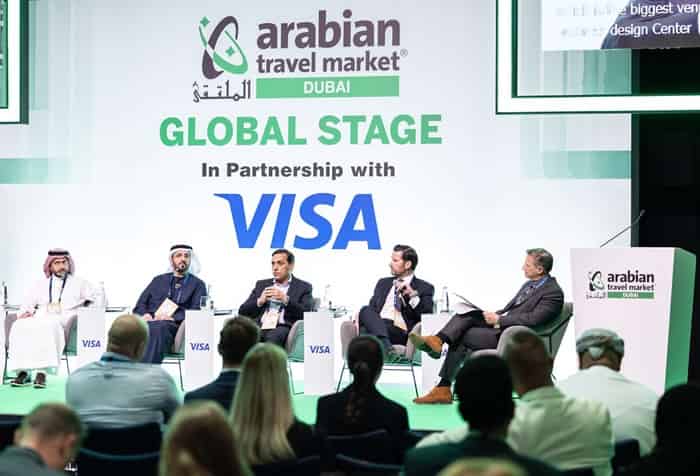
The findings will be presented at Arabian Travel Market 2026, which will run from 14 to 17 September 2026 at Dubai World Trade Centre.
Euromonitor International will present The State of Travel: Inflation, Polycrisis & the New Travel Reality on the Global Stage. The session will examine rising costs, geopolitical uncertainty and changing consumer priorities.
STR will lead two hospitality sessions. Decoding Hospitality Growth – What Do Today’s Travellers Want? will explore changing guest expectations and how hotel brands can respond through experience-led strategies.
The Hospitality Roundtable: Rebooting Hotel Revenue, Where to Start? will focus on practical methods for rebuilding revenue and improving operational resilience. Few subjects sharpen a room of hotel executives quite like revenue.
Curtis said ATM aims to provide the travel trade with useful research and frank discussion. She said the event would help the global travel industry move beyond today’s challenges and begin shaping tomorrow’s opportunities.
That ambition is timely. The industry does not need another bowl of vague optimism served with a conference lanyard. It needs sound data, practical plans and honest discussion about safety, air access, investment and service.
ATM 2026 is set to bring that conversation to Dubai. Tourism boards, airlines, hotel groups, technology companies, investors and travel businesses will compare notes on a market that remains unsettled but is far from beaten.
The research offers a balanced verdict. Travel demand is strong, but recovery is not automatic.
Destinations must earn trust. Airlines must rebuild reliable connections. Hotels must maintain tight control over costs and revenue. Technology companies must solve real problems rather than invent expensive new ones.
The potential upside is clear. A 47.7 per cent increase in spending would mean more than additional bookings. It could support new air routes, fresh tourism products, stronger commercial partnerships and better travel experiences.
The road ahead may still contain a few bumps. Tourism, however, appears ready to keep its seatbelt fastened and carry on.
By: May Maclay – © 2026.
Read Time: 5 minutes.
Author Bio:
 May Marclay’s career hasn’t followed a straight line, and she’s better for it. She began in real estate, then moved into hospitality, finding her rhythm with Centara in the Maldives. There, she worked the Asian markets the old-fashioned way: building trust, closing deals, and turning conversations into lasting business.
The UAE sharpened its focus. At IHG, supporting an Area General Manager, she saw the machinery of a major travel hub from the inside, no gloss, just how things actually get done.
Now, with her sights set on healthcare, May brings a broader lens than most. She speaks three languages, reads widely, travels with intent, and writes with the calm assurance of someone who understands both the detail and the bigger picture without needing to say so too loudly.











