


Palau, the remote Pacific archipelago long beloved by divers and those in the know, is quietly becoming one of Australia’s hottest travel obsessions, with new figures revealing a dramatic spike in Australian visitors making the journey to the island nation.
From January to May 2026, Australian visitation to Palau grew 87 per cent year-on-year, making Australia the fastest growing source market for Palau globally. May alone saw visitor numbers more than double compared to the same month last year.
While Australia remains a smaller share of Palau’s total visitor mix, the country punches well above its weight when visitor nights are factored in, a reflection of the longer stays Australian travellers tend to take, placing them among the destination’s higher value visitors.
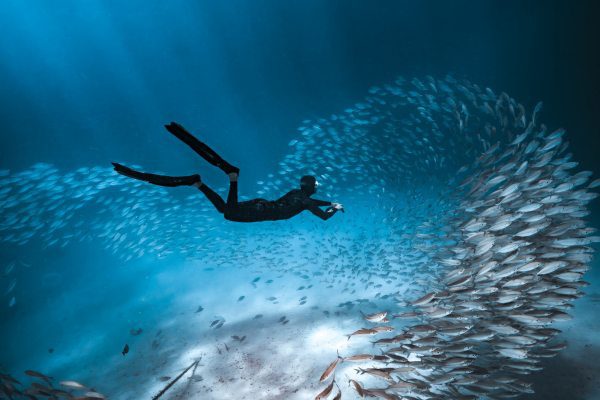
The growth comes off the back of the Palau Paradise Express, the direct Qantas service connecting Brisbane and Koror in under six hours, which has been credited with accelerating Palau’s post-pandemic recovery by delivering a steady flow of high-value, long-stay visitors who spend locally and support small businesses and communities across the islands.
Director of Palau Visitors Authority, Kadoi Ruluked, said the figures point to sustained, long-term growth in the Australian market.
“This level of growth tells us the Australian market is maturing, it’s not just about getting more visitors here, it’s about the calibre of visitor we’re attracting. Longer stays, deeper engagement with the destination, and stronger spend in our local economy. That’s exactly the kind of growth we want to see, and it gives us real confidence in where this market is headed.”
And there’s plenty to draw travellers, beyond its reputation as a world-class diving destination, Palau is one of the few remaining matriarchal societies in the Pacific, where land, title and tradition are passed down through women. Visitors can kayak through the limestone Rock Islands, hike to hidden waterfalls, snorkel kaleidoscope colourful reefs, and spot some of the region’s rarest birdlife, making it a destination built for far more than time spent underwater.











