

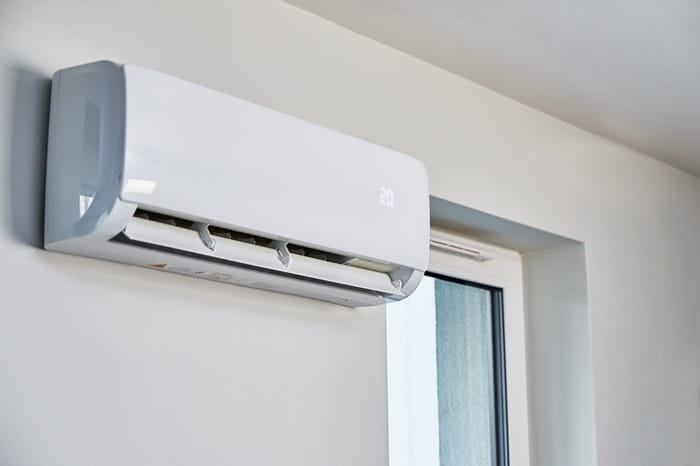
Choosing a split system air conditioner might seem simple at first. You pick a trusted brand, choose a model that fits your budget and book the installation. But one of the most important decisions is the size of the unit.
If the air conditioner is too small, it may struggle to cool or heat the room properly. If it is too large, it may cycle on and off too often, use more energy than needed and leave the room feeling less comfortable. The right size split system should suit the room, the home and the way the space is used. Before buying, it is worth understanding what affects air conditioner sizing and why guessing can lead to poor performance.
Why Split System Size Matters
The size of a split system is usually measured in kilowatts, or kW. This refers to the cooling or heating capacity of the unit, not how much electricity it uses.
A correctly sized unit should cool or heat the room efficiently without working too hard. It should reach the set temperature comfortably and maintain it without constant strain.
When the system is the wrong size, comfort and efficiency suffer. That is why proper sizing is one of the most important parts of choosing a split system air conditioner.
What Happens If the Unit Is Too Small?
An undersized split system may seem like a cheaper option, but it can cost more in the long run. If the unit does not have enough capacity for the room, it may run constantly and still fail to reach the temperature you want.
This can lead to higher energy use, more wear on the system and disappointing performance on very hot or cold days. The room may take too long to cool, feel uneven or never become properly comfortable.
A small unit may work well in a bedroom but struggle in an open-plan living area. Choosing based only on price can leave you with a system that is not strong enough for the job.
What Happens If the Unit Is Too Large?
Going bigger is not always better. An oversized split system can cool a room too quickly, then shut off before it has properly managed humidity or circulated air evenly.
This stop-start operation can make the room feel less comfortable. It may also increase wear on the system and reduce energy efficiency.
A large unit may also cost more upfront than necessary. If a smaller, correctly sized model would have done the job well, paying for extra capacity may not provide any real benefit.
The goal is not to buy the biggest system you can afford. The goal is to buy the right system for the space.
Room Size Is the Starting Point
Room size is usually the first thing people think about, and it does matter. A larger room needs more cooling or heating capacity than a smaller one.
As a rough guide, small bedrooms may suit smaller split systems, while larger living rooms, open-plan areas or rooms with high ceilings usually need more powerful units.
However, floor area is only the starting point. Two rooms of the same size may need different air conditioners depending on sun exposure, insulation, windows and layout.
This is why online size guides can be helpful, but they should not replace proper advice from professional split system installers.
Ceiling Height Makes a Difference
Many people only measure floor space, but ceiling height also affects the amount of air that needs to be cooled or heated.
A room with high ceilings contains more air than a standard-height room with the same floor area. This means it may need a larger split system to perform properly.
Older homes, extensions and open-plan living spaces often have higher ceilings, raked ceilings or unusual layouts. These details should be considered before choosing a unit.
Windows and Sun Exposure Matter
Windows can have a huge impact on room temperature. A room with large west-facing windows may become much hotter in the afternoon than a similar room on the shaded side of the house.
Glass allows heat to enter easily, especially during summer. If the room has big windows, poor curtains, no external shade or direct afternoon sun, the split system may need more capacity.
Window tinting, curtains, blinds, shutters and outdoor shading can all help reduce heat load. In some cases, improving shade may allow the air conditioner to work more efficiently.
Insulation Affects Performance
A well-insulated room is easier to cool and heat. A poorly insulated room loses cool air more quickly in summer and warmth more quickly in winter.
Ceiling insulation is especially important, but wall insulation, draught sealing and window coverings also make a difference. If your home has poor insulation, even a good split system may need to work harder than expected.
Before installing a new split system, it is worth thinking about the condition of the room itself. Sometimes improving insulation or sealing gaps can make the air conditioner perform better and reduce running costs.
Room Use Should Influence the Choice
Not all rooms are used the same way. A bedroom may only need cooling at night, while a living room may be used throughout the day. A home office may have computers, screens and people generating extra heat. A kitchen or dining area may become warmer because of cooking appliances.
The number of people using the room also matters. A space used by one person may need less capacity than a room used by a family or entertaining area full of guests.
A good installer should ask how the room is used, not just measure its size.
Open-Plan Areas Need Careful Sizing
Open-plan living areas can be tricky because they often connect to kitchens, dining rooms, hallways or staircases. If cool air can easily escape into other parts of the home, the split system may need to work harder.
In some cases, a single split system may not be the best way to cool a very large or open area. You may need a larger unit, multiple units or a different system design.
Before choosing a split system for an open-plan space, think about where the indoor unit will go, how air will move through the room and whether doors or zones can be closed off.
Placement Is Just as Important as Size
Even the right-sized split system can perform poorly if it is installed in the wrong position. The indoor unit should be placed where airflow can spread evenly through the room.
If it is hidden behind a bulkhead, blocked by furniture or pointed directly at a bed or couch, comfort may suffer. The outdoor unit also needs good airflow and should be installed where it can operate efficiently.
Sizing and placement should be considered together. A well-positioned unit can often perform better than a more powerful unit installed poorly.
Climate Conditions Matter
The local climate also plays a role. Homes in very hot, humid or exposed areas may need more careful sizing than homes in milder conditions.
If your area has long, hot summers or cold winter nights, the unit needs to handle those peak conditions. A system that works fine on mild days may struggle when the weather is extreme.
This is another reason to get local advice. An installer who understands your climate can recommend a split system that suits real conditions, not just a generic chart.
Energy Efficiency Should Not Be Ignored
Once you know the right size range, compare energy efficiency. A more efficient unit may cost more upfront, but it can use less power over time.
Look at the energy rating, inverter technology, running costs and features such as timers, sleep mode and smart controls. These can help manage energy use if the system is used properly.
However, efficiency does not make up for poor sizing. A highly efficient unit that is too small or too large may still disappoint. Correct sizing comes first, then efficiency.
Get a Proper Assessment Before Installing
The best way to choose the right size split system is to have the room assessed properly. The installer should consider room dimensions, ceiling height, windows, insulation, sun exposure, layout, number of occupants and how the space is used.
They should also discuss where the indoor and outdoor units will be installed, how the condensate drain will run and whether electrical work is required.
A quick guess over the phone may be convenient, but it may not give the best result.
Choosing the Right Split System for Your Home
Choosing the right size split system is about more than matching a room to a basic chart. Room size matters, but so do ceiling height, windows, insulation, sun exposure, layout, placement and daily use.
A unit that is too small may run constantly and still struggle. A unit that is too large may cost more than needed and create uneven comfort. The right unit should cool and heat the space efficiently, quietly and reliably.











