

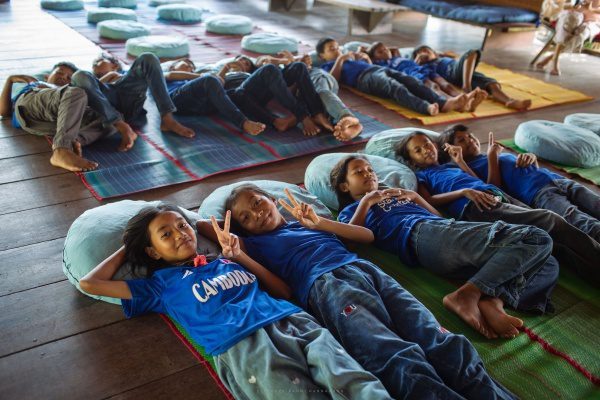
From 13–17 May 2026, Cambodia’s southern coastline became the stage for one of the country’s most distinctive cultural gatherings as CIFF 360 in Kep brought filmmakers, artists, conservation voices and audiences together for five days of cinema, conversation and community by the sea.
Presented as a coastal extension of the Cambodia International Film Festival (CIFF), the programme unfolded across Knai Bang Chatt by Kep West, Kep Wellness Center, Kampot Beach and The Deck at Kep West, transforming Kep into a living cinematic landscape where film, culture, architecture and marine storytelling intersected.
The expanded 2026 edition featured open-air screenings, filmmaker Q&As, heritage experiences, children’s programming, ocean-focused storytelling and the inaugural Cambodia Film Forum, bringing together filmmakers, producers, cultural leaders and emerging creative voices from across the region.
“This was never intended to be a traditional film festival,” says Peter J. Brongers, Secretary General of Art for Kep. “CIFF 360 in Kep was designed as a cultural platform; one that connects cinema with place, environment, heritage and community. Bringing filmmakers and audiences together here, against the backdrop of Kep’s coastline and evolving cultural landscape, created something intimate, thoughtful and uniquely Cambodian.”
The programme opened with a pre-festival beach screening in Kampot before officially launching at Kep West with welcome remarks from CIFF 360 organisers, Art for Kep representatives and provincial stakeholders. Over the following days, audiences experienced a curated mix of Cambodian and international cinema, short films, documentaries and community storytelling initiatives.
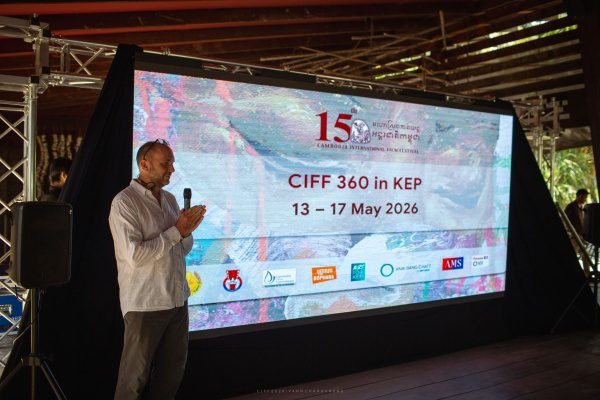
Opening night also paid tribute to Cambodia’s cinematic heritage through a special screening of La Joie de Vivre by His Majesty King Norodom Sihanouk, presented as part of the festival’s Francophonie programme and in celebration of the King’s Birthday. The programme also honoured Cambodia’s golden era of filmmaking with screenings including The Time to Cry by pioneering female filmmaker Uong Kanthouk.
One of the defining moments of the festival was the premiere of Beneath the Surface, a new documentary by director Vinay Bharadwaj exploring the story and vision behind Kep West, Art for Kep and the wider cultural and environmental transformation taking place along Cambodia’s southern coastline.
Screened in an open-air setting overlooking the sea, the film offered an intimate portrait of the people, ideas and ecosystems shaping Kep’s next chapter. The documentary highlighted the intersection of art, conservation, architecture and regenerative tourism, themes that sit at the core of Knai Bang Chatt and Art for Kep’s long-term vision for the region.
The festival also celebrated both established and emerging Cambodian filmmakers through screenings including Davy Chou’s acclaimed Golden Slumbers — a tribute to Cambodia’s lost cinematic history — alongside new-generation works such as Far Away Close to You by Mony Darung and short films by Laurence Ly and Sophea Kim.
Throughout the festival, environmental storytelling remained a central thread. Screenings and conversations focused on marine conservation, coastal ecosystems and community narratives, including dedicated programming developed alongside Marine Conservation Cambodia exploring biodiversity protection, mangroves, coral systems and underwater ecosystems across Cambodia and Southeast Asia.
A major highlight of the week was the inaugural Cambodia Film Forum, hosted in the gardens of Knai Bang Chatt under the theme “Cambodia Film Forward: Imagine, Connect, Create.” Bringing together filmmakers, producers, cultural organisations and industry stakeholders, the forum explored practical pathways for strengthening Cambodia’s film ecosystem through collaboration, training, international partnerships and long-term industry development.
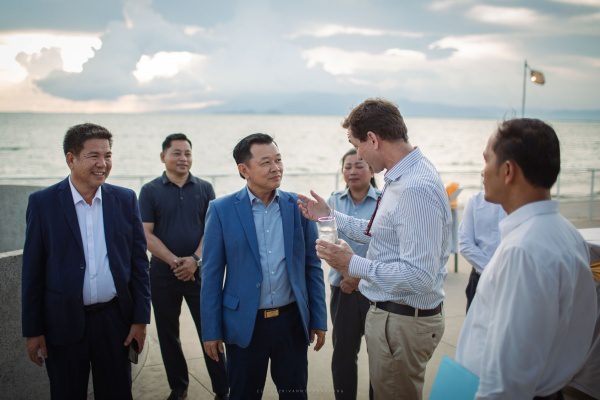
Structured around workshops, roadmap discussions and collaborative sessions, the forum reinforced CIFF 360’s ambition not only to showcase cinema, but also to actively contribute to the future growth of Cambodia’s creative industries.
Alongside the screenings and industry conversations, the festival also integrated Art for Kep programming, architectural heritage experiences, artist encounters and children’s animation showcases, reinforcing the event’s broader mission of making culture and creativity accessible across generations and communities.
For Knai Bang Chatt by Kep West, the festival forms part of a wider long-term vision positioning Kep as a centre for cultural tourism, artistic exchange and regenerative coastal development.
“Cinema has a unique ability to bring people together across disciplines and backgrounds,” adds Brongers. “What we experienced this week shows the potential for Kep to become not only a destination for tourism, but a meaningful platform for cultural exchange, creative experimentation and new artistic collaborations within Southeast Asia.”
Following the success of this year’s edition, organisers confirmed plans to continue expanding CIFF 360 in Kep in the years ahead, alongside the forthcoming Kep International Art Festival and wider Art for Kep initiatives planned across the region.













