

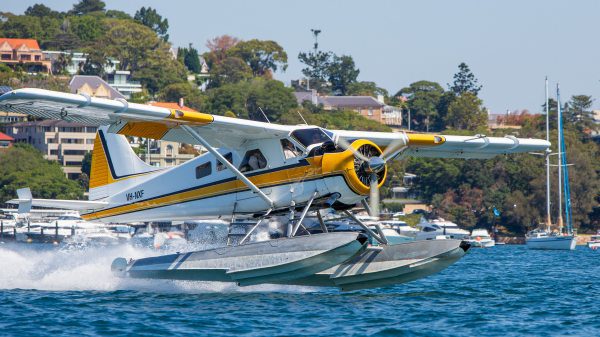
Leading tourism operator, Sydney Seaplanes, has expanded its fleet to four aircraft, with the addition of a legendary de Havilland DHC-2 Beaver.
Widely regarded as one of the most iconic seaplanes ever built, the Beaver brings a unique blend of heritage, performance, and versatility to Sydney Seaplanes’ growing operations. This milestone strengthens the company’s position as a premier provider of scenic flights and bespoke aviation experiences across Sydney and beyond.
Originally designed to endure the rugged conditions of northern Canada, the DHC-2 Beaver first took to the skies in August 1947. It quickly earned a global reputation for reliability and adaptability as a single-engine monoplane capable of operating on wheels, skis, or floats. Over nearly two decades of production, close to 1,700 aircraft were built, and today the Beaver is recognised as one of the ten most influential Canadian engineering achievements in history.
Throughout its distinguished career, the Beaver has served in military operations in the United States, supported agricultural work such as crop dusting worldwide, and even played a role in Sir Edmund Hillary’s historic South Pole expedition. Despite production ending more than 40 years ago, hundreds of these timeless aircraft remain in operation today.
Sydney Seaplanes’ newly introduced Beaver has been meticulously restored and upgraded with modern avionics and enhanced passenger comfort, offering a refined yet authentic flying experience.
Sydney Seaplanes’ aircraft fleet now comprises:
- Two Cessna Caravan Amphibian (12 passengers per aircraft)
- Two Classic Beavers (7 passengers per aircraft)
Comments from Rod Harys, Sydney Seaplanes
“The addition of the Beaver represents both a celebration of aviation history and a commitment to delivering exceptional experiences for our customers.
“Expanding to a four-aircraft fleet allows us greater flexibility to cater for groups and couples who want tailored experiences along with our custom-designed scenic tours of Sydney Harbour.
“We will now have greater capacity to cater for conference and incentive groups, as well as special occasions.”











