


The summer school holidays, that magical period when families spill into airports armed with excitement, oversized suitcases, and a few dozen electronic gadgets, have always carried their fair share of hazards. Not the least of which is forgetting that airlines and lithium batteries don’t always make the best bedfellows.
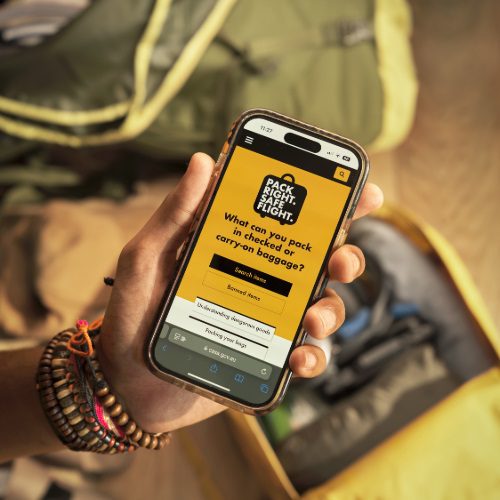
The Civil Aviation Safety Authority (CASA) is again rolling out its Pack Right, Safe Flight campaign. It reminds holidaymakers that packing carelessly can mean the difference between a breezy check-in and a frantic sprint to the gate if you make it there.
Why it Matters
Packing the wrong thing in checked luggage isn’t just inconvenient; it can land you in hot water with your airline, cause delays for fellow passengers, and in extreme cases, pose genuine safety risks. CASA is sounding the alarm, and many Australians are now travelling with at least four rechargeable devices.
Pack smart, fly calm — because no holiday needs a fiery send-off.
“Many passengers remain unaware of the rules or risks,” admitted Andreas Marcelja, CASA’s Executive Manager for Stakeholder Engagement. “Phones, laptops, vapes and power banks are so common that people forget they are powered by lithium batteries — and those batteries can pose a serious fire risk if not packed properly.”
And if you think airline staff will look the other way, think again. Spare lithium batteries, vapes, e-cigarettes, and power banks must never go into checked baggage. They belong in the cabin, where the crew are trained to manage problems before things get out of hand.
The Great Divide: What Goes Where
CASA’s advice is straightforward:
-
Cabin baggage only: Lithium batteries, power banks, e-cigarettes, and vapes.
-
Checked or cabin baggage: Electrical devices without a battery, such as hair straighteners that plug directly into mains power.
-
Check before you pack: Items like aerosols, sparklers, cleaning sprays, and similar goods can cause headaches if stashed incorrectly.
The campaign’s dedicated website makes things easier by providing a searchable database of everyday travel items. Flyers are also available in 20 languages — no excuses for getting it wrong, whether you’re flying out of Sydney, Seoul, or Santiago.
The Cost of Ignoring the Rules
Failing to declare dangerous goods through an online check-in or at the airport counter is not a minor slip. It’s a serious offence. A misleading declaration can mean hefty penalties and humiliation of having your bag unpacked in front of an unimpressed queue of fellow passengers.
And once you’re on the plane, there’s another non-negotiable: respect the cabin crew. “Passengers should always follow crew instructions, including directions on the tarmac and safety briefings in the cabin,” Marcelja stressed. “Everyone has a stake in keeping aviation safe.”
It’s a reminder that human authority in the cabin remains paramount in the age of DIY travel apps and self-check-in kiosks.
Inspections Ahead
This holiday season, CASA inspectors won’t be putting their feet up. They’ll conduct checks, audits, and inspections across airlines and aviation operators, ensuring the rules are upheld. For most travellers, it will barely register. It could be an expensive miscalculation for those tempted to sneak a vape into the hold.
Why CASA is Taking No Chances
Fire risks from lithium-ion batteries are no longer theoretical. There have been enough in-flight incidents globally to justify the cautious approach. With thousands of passengers taking to the skies daily during school holidays, CASA knows that a single oversight could lead to chaos.
Final Boarding Call
So, before you zip up that suitcase, take a moment to check what’s inside. A vape in the wrong pocket, a forgotten power bank buried in a checked bag, or even a can of undeclared hairspray could mean a delayed start to your long-awaited getaway.
Holiday travel, after all, is stressful enough without adding “airline safety hazard” to the mix.
By Karuna Johnson











