
Traveloka’s latest search data highlights an emerging trend of Thailand and Indonesia as preferred wellness destinations among Thai travelers. According to Traveloka’s latest search data, within Thailand, domestic searches made up more than 50% of the total, driven by Bangkok’s vibrant spa and self-care scene. Indonesia followed with over 30%, led by Bali as the top international hotspot. Other regional destinations such as Vietnam, Malaysia, Japan, and Taiwan also appeared, reinforcing that Thai travelers are prioritizing both local and nearby wellness getaways. This reflects a strong preference for accessible, self-care–focused travel experiences.
These findings mirror results from ‘Traveloka’s New Study Unveils Shifting Travel Trends in APAC’, a regional survey of nearly 12,000 respondents across nine countries, including more than 2,000 respondents from Thailand. The study reveals that 70% of Thai travelers prefer domestic destinations, with rest and recharge cited as the primary motivation by 35% of Thai respondents, the highest among all categories surveyed.
The trend aligns with Thailand’s booming wellness industry. In 2024, the country’s wellness sector generated 1 trillion baht in revenue, and projections indicate this could grow to no less than 1.5 trillion baht by 2027, with an annual growth rate of 7–10%. According to the Tourism Authority of Thailand (TAT), Wellness Tourism is expected to grow three to four times faster than traditional Medical Tourism, reflecting both global demand and local opportunity.
Bangkok, Chiang Mai, and Phuket Top the Wellness Charts
Wellness experiences in Bangkok remain the most sought after, with Chiang Mai, Phuket, Ubon Ratchathani, and Pattaya following as top secondary cities. Thai travelers are increasingly seeking familiar, nearby options as part of regular self-care routines, not just for special occasions. Top wellness products on Traveloka application among Thai users include:
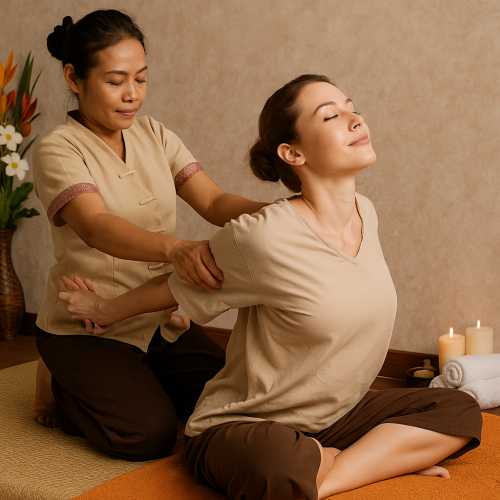
- Spa & Massage: Traditional Thai massage, known as Nuad Thai and recognized by UNESCO as an Intangible Cultural Heritage of Humanity, remains a key draw. Urban spa studios also attract significant demand, with many travelers seeking quick rejuvenation and stress relief in city centers.
- Onsen and Hot Spring: For centuries, the Japanese onsen, natural hot springs known for their therapeutic benefits and cultural significance, have been a cornerstone of relaxation and well-being in Japan. Recently, this unique bathing experience has transcended borders, gaining popularity in Thailand, offering both communal and private wellness escapes.
- Salon/Hair/Nail/Lash: Daily beauty and grooming services remain an integral part of wellness travel. Thai travelers increasingly seek salon experiences that combine self-care with relaxation, from haircuts and styling to nail art and lash treatments, often as part of mini getaways or urban wellness routines.
- Medical/Aesthetic Clinics: Thailand’s medical system is highly regarded, consistently ranking among the world’s best. With such quality at home, why travel anywhere else? Increasingly popular for preventative care and aesthetic treatments, these clinics complement wellness-focused travel.
- Reflexology/Specialty Experiences: From head spas to power nap lounges and traditional cultural rituals, niche wellness activities are capturing growing interest.
Bali Drives Indonesia’s Appeal while Regional Players are Emerging
In Indonesia, Bali continues to shine as the wellness capital, celebrated for its luxury spas, yoga retreats, holistic therapies, and nature-based healing. Its lush landscapes and spiritual atmosphere make it a magnet for Thai travelers seeking immersive experiences. Searches in Jakarta and Surabaya also contributed, showing growing demand for urban reflexology clinics and spa services.
While Thailand and Indonesia lead, other destinations remain on the radar.
- Vietnam: Spa resorts in Nha Trang are gaining popularity among Thai users, especially for their beachfront ambiance and holistic service offerings.
- Malaysia: Luxury spa resorts, urban wellness centers in Kuala Lumpur, and traditional Malay healing practices such as urut massage and herbal therapies are attracting Thai interest.
- Japan & Taiwan: Both attract interest through distinct traditions. Taiwan is known for structured beauty treatments, while Japan remains a favorite for its authentic onsen culture and reflexology clinics.
As Southeast Asia’s leading all-in-one travel platform, Traveloka empowers users to turn daily life into a series of rejuvenating moments through curated listings, real-time availability, verified reviews, and tailored recommendations. With wellness now firmly embedded in the travel behavior of Thai consumers, Traveloka is driving the shift from wellness as a special indulgence to an essential part of modern lifestyles.