

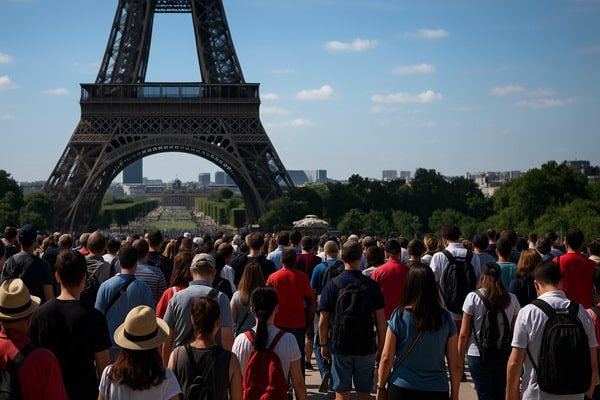
There’s no denying the allure of Europe’s icons. The Eiffel Tower still glitters, Rome struts in its toga, and Amsterdam floats on its canals like a dainty watercolour. But as a new report from Arival and Destination Wayfinder clarifies, too much love can suffocate.
The report — ominously titled Beyond Capacity: Managing Demand at Europe’s Top Attractions — is a splash of cold water for an industry too often dazzled by its own numbers. Based on 56 million guest reviews across 32,000 destinations, it reveals an uncomfortable truth: half the traveller attention is lavished on a mere 50 cities, representing less than 0.2% of Europe’s destinations.
Put bluntly, the continent is in danger of becoming a greatest-hits album on repeat.
Paris, Rome, Barcelona, Amsterdam: Stars or Prisoners?
Consider Paris, where more than 4,000 operator listings battle for attention, yet just five attractions gobble up 44% of all reviews. In Rome, the top five command 34%. Barcelona? 43%. Amsterdam? 41%.
The rest might as well be shouting into the void.
“The global appeal of these iconic places is undeniable,” conceded Douglas Quinby, Co-Founder and CEO of Arival. “But the intense demand is creating significant operational and visitor management challenges. This report is a call to action…”
Translation: Europe’s grand dames are being crushed beneath their popularity, and if we don’t spread the love, they’ll collapse in a heap of selfie sticks and ticket queues.
Overtourism: From Buzzword to Crisis
Remember when “overtourism” was a fashionable buzzword rolled out at conferences? Forget that. It’s now a chronic condition, and like any untreated illness, it spreads. The symptoms: spiralling ticket shortages, antiquated tech systems groaning under the strain, opportunistic resellers peddling “skip-the-line” promises that often end in tears, and a rising chorus of residents asking, “Whose city is this, anyway?”
As any Venetian gondolier could tell, there’s only so much water under the bridge.
The Prescription: Tech, Timing and Tough Love
The Arival-Wayfinder report isn’t just a diagnosis; it offers treatment. Some of it feels like common sense dressed up in consultancy jargon, but the gist is clear:
-
Dynamic pricing and timed entry. Museums and attractions must think like airlines. If they can manage yield, so can the Louvre.
-
Real-time analytics. Stop guessing when the crowds will arrive. Start knowing.
-
Transparent ticketing via API links. Goodbye clunky portals. Hello, seamless connectivity with resellers.
-
Equitable access. Locals first, tourists later. Or at least make sure grandma from Montmartre isn’t shoved aside by backpackers with Wi-Fi boosters.
The tools exist. The real question is whether the industry has the stomach to use them.
Destinations Must Break the Mould
It’s not just the attractions that need surgery. Destination marketers, the perennial cheerleaders of “come one, come all,” must learn a new routine. The report urges diversification: put lesser-known neighbourhoods on the map, elevate local guides, and showcase boutique cultural experiences that aren’t already drowning in crowds.
Copenhagen’s “Localhood” initiative is the poster child. Residents get a say, visitors are nudged towards under-loved corners, and the city avoids turning into a postcard parody of itself.
Kristin Dunne, Vice President of Destination Wayfinder, didn’t mince words:
“Overtourism is a symptom of destination imbalance, signalling a need for greater and improved destination management. Destinations have a responsibility to not only create transformational visitor experiences but to protect these historical and cultural sites for future generations.”
Or as Mario might translate: Europe’s icons can’t live on Instagram likes alone.
The Road Ahead: A Balancing Act
The report’s final punchline is stark: overtourism isn’t seasonal anymore. It’s systemic. It’s not a summer spike or a cheap-flight anomaly. It’s baked into the industry’s DNA.
The cure? Collaboration, real collaboration, not another panel discussion with name tags and polite applause. Cities, attractions, operators, and residents all must shoulder responsibility. Without it, we’ll be left with attractions where only the richest or the fastest-clicking can enter, while the rest admire Europe’s wonders through glass screens and iron fences.
Final Word
Tourism has always walked a tightrope between delight and disaster. With its centuries of civilisation, Europe should know a thing or two about balance. But as this report reminds us, balance won’t arrive by accident. It demands will, technology, and perhaps a little humility from an industry intoxicated by its success.
Because if we’re not careful, the goose that lays Europe’s golden eggs will one day be served up roasted, carved, and gone for good.











