

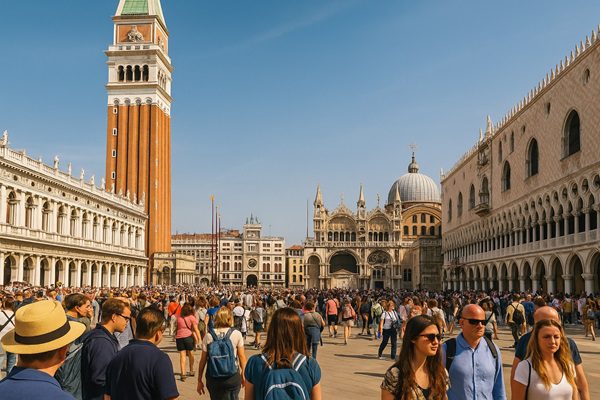
In an age when you’re more likely to bump elbows with a selfie stick than a local in Venice or shoulder your way through Dubrovnik like it’s peak hour on the Eastern Suburbs line, the World Travel & Tourism Council (WTTC) has stepped in with a sobering message: we need to get a lot smarter about how we manage tourism—or risk losing the very places we love to visit.
The WTTC has just released a new report, Managing Destination Overcrowding: A Call to Action, urging governments, industry leaders and local communities to stop kicking the sand down the road. It’s a rousing six-step plan to keep destinations from being crushed under the weight of their popularity, without cutting off the economic lifeblood that tourism brings.
Let’s be clear: the numbers are staggering. In 2024 alone, travel and tourism are expected to pump nearly US$11 trillion into the global economy and support 357 million jobs. That’s one in ten jobs worldwide, with the sector forecast to drive one in every three new roles over the next decade. But this golden goose could find itself cooked if not appropriately managed.
“Tourism is not the villain here,” said Julia Simpson, President and CEO of WTTC. “It brings huge benefits, from jobs and investment to cultural understanding. But unmanaged growth can easily sour the experience for both locals and visitors. We’re not talking about stopping tourism. We’re talking about making it work better—for everyone.”
Not Just a Numbers Game
The report quickly points out that the issue isn’t simply the number of tourists—after all, popular places tend to attract people. The root problems lie in chronic underinvestment, creaky infrastructure, poor planning, and a ‘she’ll be right’ attitude to governance that leaves decision-making scattered like beach towels on a Bondi Sunday.
Indeed, the WTTC highlights that destinations often reach a breaking point not because of visitors but because there’s no coordinated plan to deal with them. Tourists and locals suffer when bins overflow, public transport buckles, and residents feel like extras in someone else’s holiday snaps.
And here’s the kicker: governments rake in more than US$3.3 trillion annually from the global tourism sector—nearly 10% of all tax revenue. But how much of that is reinvested in the infrastructure groaning under the weight of demand? Not enough, says the WTTC.
Six Sensible Steps (That Ought to Be Common Sense)
The WTTC’s new report offers a practical roadmap that, frankly, sounds like what every local council should be doing already:
- Get Organised – Bring together public and private players through task forces that have some clout.
- Make a Plan – Develop a destination strategy based on a shared vision, not just a wishlist scribbled on the back of a napkin.
- Gather Evidence – Use actual data (imagine that!) to identify problems and shape responses. The current lack of solid data is part of the problem.
- Stay Vigilant – Keep a close watch and take action before issues become crises.
- Invest Wisely – Plough funds into resilient infrastructure and be transparent about where the money goes.
- Empower Residents – Give locals a seat at the table and help them see the real benefits of tourism.
When Tax Alone Doesn’t Cut It
Many governments have turned to tourism taxes as a quick fix. While they may help fund services, the WTTC warns that they can also backfire, damaging employment and local income without fixing the root problems.
Their modelling paints a stark picture: if just 11 of Europe’s busiest cities capped visitor numbers, it could cost nearly US$245 billion in lost GDP and a gut-wrenching 3 million jobs over three years. That’s hardly a price worth paying for a little elbow room.
A Tale of Cities Getting It Right
But it’s not all doom and gridlock. The report highlights several destinations leading the way:
- Barcelona, through the Turisme de Barcelona Consortium, blends public and private leadership with an eye on sustainability.
- Flanders, Belgium, has reframed tourism through its “Travel to Tomorrow” initiative, putting community needs at the centre.
- Dubrovnik, where cruise ship arrivals are now tightly coordinated with the help of CLIA to ease congestion.
- Iceland, which reinvests its tourism levies directly into protecting the natural environment.
Each approach is tailored to the local landscape, but they share one thing in common: a long-term vision.
This Is the Moment
According to Simpson, the post-pandemic rebound has created a ‘window of opportunity’ to rebuild smarter. “The sector has shown extraordinary resilience. Now’s the time to futureproof it.”
But the WTTC makes no bones about it—this will require collaboration, not just more glossy campaigns and Instagrammable moments. Cities and regions must be brave enough to rethink their approach to visitor growth: no more one-size-fits-all models or last-minute panic policies.
The call to action is unambiguous: reinvest those handsome tourism earnings in public services, smart infrastructure, and community well-being. If tourism is to be a long-term guest in our homes, it must help pay for the upkeep.
And, in the finest Peter Needham tradition, one is tempted to say: if a place becomes too lovely for its own good, perhaps it’s time to love it wisely, not wildly.
To download the full report or learn more about the WTTC’s work, visit their Research Hub.
By Michelle Warner











