

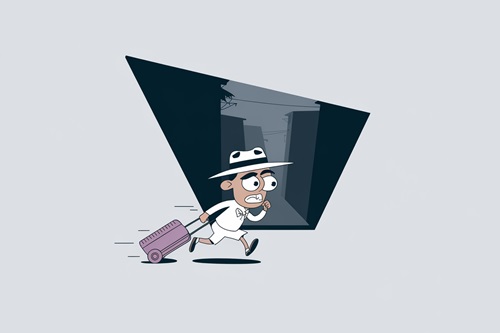
 You’ve probably seen the breathless warnings about pickpockets and scams this spring break. However, my experience in New Orleans involved a more direct threat.
Just steps from my hotel in the French Quarter on a rainy evening in March a few years ago, a group of young men jumped out of the shadows and attacked me while I was walking by. I escaped with a chipped tooth and a jarring realization that personal safety can be compromised in an instant.
Experts say you’ll have to stay on your toes this spring break because anything could happen. We’re living in dangerous times, perhaps now more than ever.
“You have to have a good understanding of the city you’re visiting,” says Christopher Falvey, co-founder of Unique NOLA Tours, a tour operator in New Orleans. “You have to find out where things are safe and where things are dangerous — and you have to do it before you get there.”
Looking back, I wish I had asked Falvey for advice. My experience seemed random and unpredictable at the time, and I’ve visited New Orleans many times since then. But I’ve avoided being out after dark in the French Quarter during spring break. To me, it just seems more intelligent to avoid situations like that.
What are the dangers of spring break?
Millions of travelers are heading south for spring break right now to escape the final clutches of winter. But the excitement often comes with significant risks.
- Alcohol-related accidents and overconsumption. Spring break is notorious for high levels of binge drinking, even if you’re not a student. That can lead to accidents and injuries. According to a government study, drinking levels historically spike during the spring break months.
- Crime. Criminals target spring break travelers with theft, scams, or even more violent crimes. If you’re in a place that likes to party, chances are they’re already there, waiting to prey on you.
- Drug use and overdose. Spring break often sees a rise in the use of recreational drugs. A study by Mexican researchers found that marijuana, cocaine, and crack topped the list of the most popular drugs.
- Injury and drowning risks. Water-related injuries, especially drowning, are common in popular spring break destinations. Combining alcohol consumption or drug use with swimming or other water sports can have lethal consequences.
What’s new this spring break?
The political climate has shifted, according to experts.
“In certain regions of the world, we may see political unrest and anti-American sentiment,” notes Frank Harrison, regional security director of the Americas at World Travel Protection. “It’s essential to stay informed about the political climate.”
Security professionals also say this spring break is more intense than in the past. More travelers are trying to squeeze a more ambitious itinerary into a shorter time. This sense of urgency is pushing people to do more in less time, which may mean more eating, drinking, drugs, and high-risk activities.
“The biggest threats to security this spring break aren’t necessarily new this year,” explains John Gobbels, chief operating officer of air medical transport and travel security program Medjet. “They’re just intensified. Increased political tensions, demonstrations that turn violent, increases in crime and scams targeting tourists and unusually catastrophic weather patterns seem to have people more worried this year.”
How to find out if your spring break destination is safe.
Don’t just dive into your upcoming spring break trip. Here are some tips to help you prepare and stay safe:
Check the politics on the ground.
Travelers have expressed concerns about a possible rise in anti-American sentiment abroad this year. That’s a problem in any year, but particularly now. “Be mindful of the political climate in your chosen destination,” advises Jamie Miller, founder of CPR Certification Plus, a safety training company. “This year, experts suggest being aware of the possibility of protests or unrest, particularly in popular spring break spots. Before you go, check the news for any potential issues and avoid areas with reported disturbances.”
Research the safe areas- and the dangerous ones.
Do your homework on your destination to identify safe and potentially dangerous areas. Understanding the local dynamics can help you make informed decisions about where to go and what to avoid, especially when venturing out at night. One go-to source is the State Department Travel Advisories for international destinations. To get reliable safety information about your country (if you’re from the U.S.), consider checking out Canada’s safety advisory about us. It’s an interesting read, for sure.
Check the reputation of your travel company.
Criminals constantly take advantage of travelers, especially during spring break. “This could be unregulated taxi drivers, individuals selling excursions outside of a reputable excursion company, or low-level criminals like pick-pockets and thieves,” says Bea Naprava, a detective from Hazelton, Pa., who also owns a travel agency called Bea Amazed Travel—Napreva’s advice: Use reputable travel companies and excursion providers. Avoid local, fly-by-night or unlicensed providers that might be cheaper but could expose you to more danger.
Don’t forget travel insurance.
A reliable policy will cover more than medical expenses if you get injured. For example, Allianz has a 24-hour emergency hotline staffed with a team of travel specialists who can help you contact local law enforcement or arrange interpretation services. “The team also can assist travelers with getting emergency cash sent from home or filing a claim for lost or stolen baggage,” says Daniel Durazo, director of external communications at Allianz Partners USA.
But is it safe for you to travel this spring break?
You can know the dangers of spring break and learn how to find out if your spring break vacation is safe. But does that mean it’s safe for you?
After my incident in New Orleans, I avoided traveling during spring breaks. The crowds that once seemed friendly now felt threatening. I also avoided prominent spring break destinations in California, Texas and Florida.
It took me a while to understand that I was in the wrong place at the wrong time. My attackers were just looking for a random victim, and I drew the short straw. And that’s just the thing about traveling during spring break. You can take every precaution and still be unlucky. Conversely, you can take every risk in the book and still be okay.
There’s something about getting out of the cold to a warm destination like South Florida or Southern California during early spring, so take it from a guy who has gotten into trouble but survived. Travel is worth it, even if it’s risky. Just make sure it’s a calculated risk.
Written by Christopher Elliott











