There’s so much more to Hokkaido than its famous powder snow. Within easy reach of Sapporo, travellers can explore outdoor sculpture parks, Indigenous cultural experiences, striking architecture and secluded hot spring retreats. These experiences offer a different perspective on Japan’s northernmost prefecture, combining its natural landscapes with opportunities to discover the region’s history, art, and culture.
Among the most significant cultural experiences is the chance to learn about the Ainu, the Indigenous people of northern Japan, whose history, traditions, and relationship with the natural environment remain an important part of Hokkaido’s identity.
Upopoy: living Ainu culture
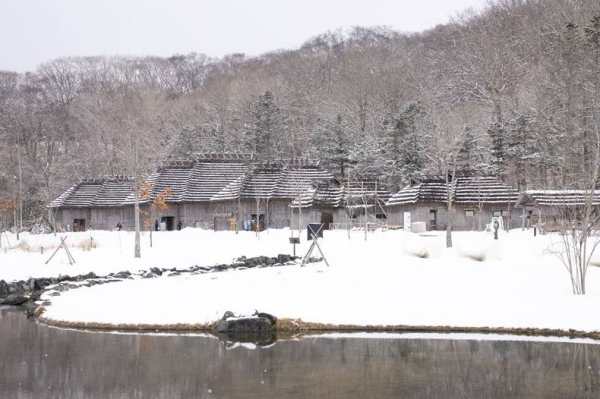
One of the most meaningful places to learn about Ainu culture is Upopoy, the National Ainu Museum and Park in Shiraoi. Located on the shores of tranquil Lake Poroto, the 15-hectare complex brings together a national museum, cultural facilities and outdoor spaces dedicated to sharing and preserving Ainu culture. Rather than simply presenting Ainu history, Upopoy introduces visitors to contemporary Ainu culture through exhibitions, performances and hands-on activities.
Travellers can experience traditional Ainu dance, recognised by UNESCO as Intangible Cultural Heritage, learn about traditional crafts, try playing the mukkuri (a type of mouth harp) and step inside traditional cise (Ainu homes).
The lakeside setting also provides an opportunity to understand the importance of the natural environment in Ainu culture, including the relationships between people, animals, plants and the surrounding landscape.
Makomanai Takino Hill of the Buddha: a hidden sanctuary
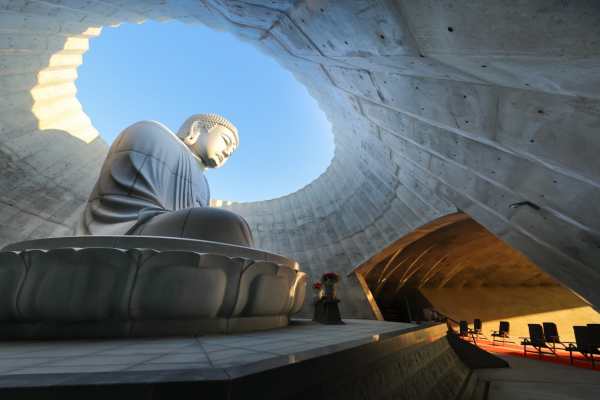
At Makomanai Takino Cemetery, acclaimed Japanese architect Tadao Ando has created one of Hokkaido’s most unusual architectural attractions. The Hill of the Buddha conceals a 13.5-metre-tall stone Buddha within an artificial hill, with only the statue’s head visible from outside.
Over 150,000 lavender plants cover the hillside, creating a striking contrast with the concrete architecture. In summer, the lavender blooms purple, while winter transforms the hill into a snow-covered landscape. The changing seasons give visitors a different perspective on the installation throughout the year.
Visitors first circle a water garden with a mirror-like reflecting pool, before passing through a 40-metre concrete tunnel that leads to the Buddha. The enclosed approach is deliberately designed to heighten the impact of emerging beneath the towering statue, framed by a circular opening to the sky. A more recent addition is Hyakunen Eiju, a rest area opened in 2025 beside the Great Buddha Hall, offering visitors another space to pause and appreciate the surroundings.
Sapporo Art Park: art in the snow
A short drive from the Hill of the Buddha, Sapporo Art Park offers another way to experience the intersection of art and nature. Its outdoor sculpture garden features more than 70 works set among wooded hills, with the surrounding landscape changing dramatically throughout the seasons.
Winter is a particularly distinctive time to visit. Rather than closing when the snow arrives, the sculpture garden invites visitors to explore on traditional ‘kanjiki’ snowshoes, following trails through the snow-covered grounds and discovering artworks along the way.
It’s a fun winter activity for travellers looking to experience Hokkaido’s snow beyond the ski slopes, combining a gentle outdoor adventure with contemporary art. Traditional string-tied snowshoes are available for adults, while easy-to-put-on plastic snowshoes are provided for children, making it a winter-exclusive experience that visitors of any age can enjoy.
When the snow melts, the park’s trails open up for hiking and forest walks, with sculptures emerging from the landscape once again. Spring and summer bring greenery to the wooded grounds, while autumn offers a colourful backdrop of red and gold foliage.
Oku Jozankei Onsen Kasho Gyoen: a forest retreat
For travellers looking to extend their time just beyond Sapporo, Oku Jozankei Onsen Kasho Gyoen offers a secluded hot spring experience within Shikotsu-Toya National Park. Set across approximately 9,900 square metres of landscaped grounds, the property has just 23 Japanese-style suites, each with a private bath supplied by natural calcium and sodium hydrogen carbonate spring water.
The intimate property combines traditional Japanese hospitality with a distinctive dining concept. Guests can enjoy a five-course ‘Oku-Jozankei Italian’ dinner, with menus drawing on seasonal Hokkaido produce and adapted to the changing seasons and weather conditions.
Dishes feature premium Hokkaido beef, including Shiraoi sirloin or black-haired Wagyu fillet, alongside locally harvested vegetables and fresh seafood. The property’s lounge, complete with an open fireplace and complimentary drinks, provides another place to unwind after a day exploring the surrounding region.
With private hot spring baths, seasonal dining, and a forest setting, Kasho Gyoen makes a luxurious addition to a winter itinerary, especially for travellers who want to combine Sapporo’s city attractions with a more secluded overnight stay.