

From the gentle click of wooden geta sandals along lantern-lit streets to the aroma of freshly grilled yakitori and the excitement of spectacular fireworks, summer in Tokyo is a season unlike any other. As neighbourhoods across the city come alive with colourful matsuri (festivals), traditional dances and evening celebrations, visitors are invited to do more than simply watch, they can become part of the experience.
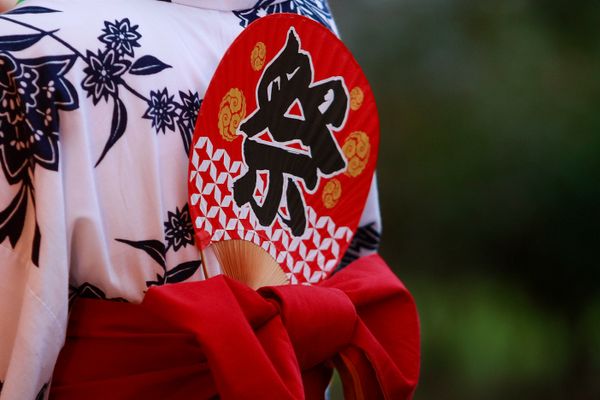
One of the easiest and most memorable ways to embrace Tokyo’s summer festival culture is by wearing a yukata, Japan’s traditional lightweight summer kimono. More than just a beautiful outfit, it’s a chance to experience Tokyo’s festivals much as locals have done for generations.
What is a Yukata?
A yukata is a casual cotton kimono traditionally worn during Japan’s warmer months. Unlike the more formal silk kimono, yukata are lightweight, comfortable and perfect for summer evenings spent exploring festivals, watching fireworks or strolling through traditional neighbourhoods. They’re worn by people of all ages, from children to grandparents, and today are just as popular with locals heading to summer festivals as they are with visitors looking to immerse themselves in Japanese culture.
Completing the Look
A yukata is traditionally worn with geta, wooden sandals (traditional Japanese style thongs) that create the distinctive clicking sound often heard along festival streets on warm summer evenings.
Visitors can also choose a colourful obi (sash), a small handbag or basket, and traditional accessories such as folding fans or hair ornaments to complete the look.
For men looking for a more relaxed alternative, a jinbei is another popular summer outfit. Consisting of loose-fitting shorts and a matching jacket, it’s cool, comfortable and commonly worn to festivals and fireworks displays.
Easier Than You Think
Many first-time visitors are surprised to discover just how easy it is to wear a yukata.
Rental shops throughout Tokyo offer complete packages that typically include:
A choice of yukata designs and
- Obi sash
- Geta sandals
- Dressing assistance by experienced staff
- Optional hairstyling and accessories
- Luggage storage while you’re out exploring
Staff carefully dress each guest, ensuring everything is worn correctly, so there’s no need to worry about learning complicated wrapping techniques.
Those who fall in love with the experience can also purchase a yukata to take home, with many department stores, specialty retailers and festival markets offering styles ranging from traditional patterns to contemporary designs.
While a yukata can be worn almost anywhere during summer, it’s especially at home during Tokyo’s seasonal celebrations. Visitors will see locals wearing yukata while enjoying fireworks displays, Bon Odori dances, temple festivals and evening walks through traditional neighbourhoods such as Asakusa. It’s an experience that naturally encourages visitors to slow down, it’s hard to walk fast in geta! Take your time, stop for shaved ice, browse the festival stalls, and watch traditional performances whilst soaking up the atmosphere long after the sun goes down.
A Summer Tradition to Remember
Wearing a yukata isn’t about dressing up, it’s about taking part. Whether it’s your first visit to Japan or your fifth, spending a warm summer evening wandering Tokyo’s festival streets in a yukata or jinbei offers a deeper connection with the city’s traditions and communities. Add the sound of geta on the pavement, the glow of paper lanterns and the aroma of festival food, and it’s easy to understand why summer is one of Tokyo’s most magical seasons.
Some of the many Summer Festivals Still to Come
There’s still plenty of time to experience Tokyo’s vibrant festival season, with several iconic events taking place throughout August.
Ueno Summer Festival: until 11 August 2026
Fukagawa Hachiman Festival: 12-16 August 2026
Azabu-Juban Noryo Festival : 22-23 August 2026
Throughout the season, visitors can also enjoy spectacular hanabi (fireworks festivals) across Tokyo. Watching fireworks dressed in a yukata, surrounded by families and friends enjoying warm summer evenings, is one of Japan’s most iconic seasonal experiences.











