

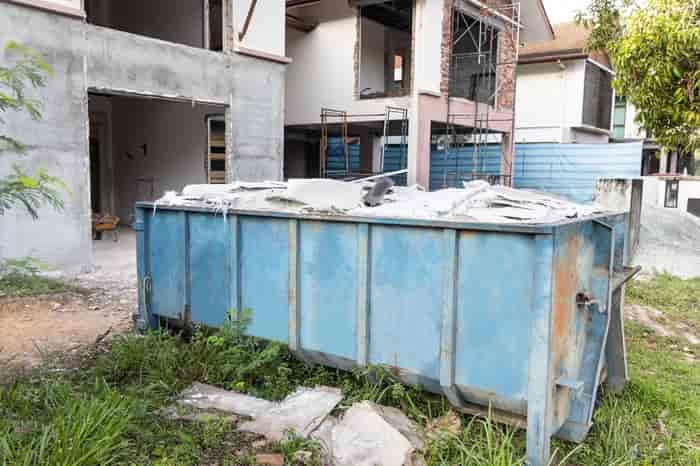
If you’ve never hired a skip bin before, the process can seem more complicated than it really is. What size do you need? Where does it go? What can you put in it? How long do you get to keep it? These are all fair questions, and the good news is the answers are straightforward once someone walks you through them.
Here’s everything a first-timer needs to know to hire a skip bin with confidence and no unwelcome surprises.
How skip bin hire actually works
The process is refreshingly simple. You choose a bin size, book it in, and the provider delivers the empty bin to your property on the agreed day. You fill it at your own pace over the hire period, and when you’re done, they come and collect it, taking the waste away for disposal.
That’s the whole cycle: deliver, fill, collect. There’s no need for trailers, tip runs, or sorting waste into carloads, which is exactly why skip hire is so popular for clean-ups and renovations.
Choosing the right size
Bins come in a range of sizes measured in cubic metres, and picking the right one is the main decision you’ll make. Think honestly about how much you’re clearing out. You under-order, and you’ll run out of room; over-order and you’ve paid for empty space.
If you’re unsure, a good provider will happily recommend a size based on a quick description of your job, which takes the guesswork out of it. When you’re between two sizes, sizing up is usually cheaper than needing a second bin later.
It can help to picture the volume in trailer loads, since one cubic metre is roughly a large box trailer piled high. That makes the numbers far easier to relate to the pile of waste you’re actually looking at.
Where the bin will go
Before delivery, work out where the bin will sit. You’ll need clear, level access for the truck to drop it and pick it up, plus enough room to load it comfortably. A driveway is ideal, but not everyone has the space.
If the only option is to place the bin on the verge or road, check whether your local council requires a permit, as rules vary by area. Your provider can usually advise on this.
What you can and can’t put in
Most general waste, furniture, timber, cardboard, green waste, and renovation debris is fine to throw in. Heavy materials like bricks and concrete are often accepted too, sometimes in dedicated bins. However, some items are not allowed, including hazardous materials, chemicals, and asbestos, which require special disposal.
It’s worth confirming what’s accepted when you book, so you’re not caught out with items that can’t go in the skip on the day.
Hire periods and cost
Skip hire usually comes with a set hire period, giving you a number of days to fill the bin before collection. If you need it longer, that can often be arranged, so it’s worth asking about the timeframe upfront.
Cost depends mainly on the bin size, the hire period, and the type of waste. Getting a clear quote before you book means you know exactly what you’re paying, with no surprises when the bin is collected.
Booking with confidence
Once you understand the basics, hiring your first skip bin is genuinely easy. Choose an appropriate size, sort out where it will go, know what you can put in it, and get a clear quote, and the rest takes care of itself.
With the disposal handled for you, skip bins from Coastal Waste turn a daunting clean-up or renovation into a simple, manageable job, which is exactly why so many people wouldn’t tackle one without it.











