If you’ve been around this industry long enough, you learn to treat “new season, new city” claims with a healthy dose of scepticism. Most destinations tinker. A few genuinely improve. And then there’s Vancouver, a place that rarely shouts about change, yet somehow keeps raising the bar.
For summer 2026, the city isn’t reinventing itself. It doesn’t need to. Instead, it’s sharpening what it already does exceptionally well: thoughtful hotels, outdoors with purpose, and a dining scene that has grown up without losing its appetite.
Hotels that know their audience
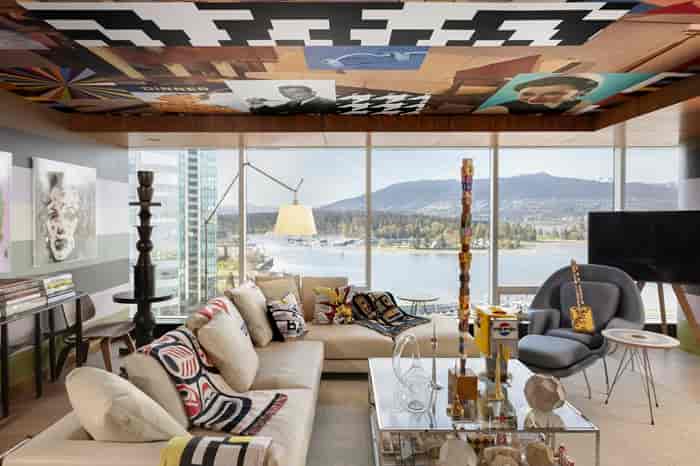
The headline act, if there must be one, comes from Fairmont Pacific Rim. The hotel has unveiled “Suite X”, developed with Canadian cultural heavyweight Douglas Coupland. Now, concept suites can be a bit like concept cars, interesting to look at, rarely practical, but this one lands differently. It’s immersive, a little provocative, and refreshingly self-aware, exploring the quirks of Generation X with a design sensibility that feels more lived-in than laboratory.
At street level, the newly reopened The Guesthouse Vancouver offers something the city has quietly needed: affordable accommodation that doesn’t feel like an afterthought. Set on Granville Street, it leans into simplicity, private rooms, clean lines, and pet-friendly policies, positioning itself neatly between hotel and hostel. No fuss, no pretence, just a decent place to stay within striking distance of everything that matters.
Over in Gastown, the Gastown Block Hotel has opened its doors inside a restored 1893 building. With just 19 loft-style suites, it trades scale for character. Exposed brick, heritage bones and modern touches give it a sense of place that many larger properties spend a fortune trying to replicate. More importantly, it signals a subtle shift that Gastown is no longer just somewhere you visit. It’s somewhere you stay.
The outdoors, with a little extra polish
Vancouver has always had the unfair advantage of geography. Mountains, ocean, forest, most cities would settle for one. Here, they come as a package deal.
This summer, Grouse Mountain adds a new drawcard with its Mountain Coaster. It’s fast up to 45 km/h and just theatrical enough to keep the Instagram brigade happy, but the real trick is how it complements, rather than overwhelms, the mountain experience. You still come for the view. The ride is simply a bonus.
For those who prefer their adventures measured in pints rather than pulse rates, Vancouver Local Adventures has introduced a guided journey through Mount Pleasant’s Brewery Creek. Led by a certified beer expert, it’s equal parts tasting and storytelling, taking in small-batch brews, brewhouse access and a slice of the neighbourhood’s creative edge. It’s the sort of tour that reminds you why craft beer became a movement in the first place.
Then there’s Evergreen Adventures, which has gone in a more indulgent direction with private yacht experiences across False Creek and up into Indian Arm. A 42-foot vessel, skyline views and a chef-prepared lunch, this is less about ticking boxes and more about lingering in the moment. Sensibly, they’ve paired some itineraries with guided walks through Gastown and Chinatown, ensuring guests see both sides of the city.
And for those who still believe the best way to understand a place is on foot, Toonie Tours has launched a new experience through Stanley Park. It’s a 2.5-hour wander that covers the seawall, Brockton Point’s totem poles and quieter corners like Beaver Lake, blending natural beauty with Indigenous stories and local history. No gimmicks, just substance.
A dining scene that’s grown into itself
If Vancouver once felt like a city still deciding what it wanted to eat, those days are well and truly over.
The opening of Violeté on Commercial Drive underscores the point. Drawing inspiration from Italian and Spanish kitchens, it keeps things deliberately simple, good ingredients, confident execution, and a focus on sharing. In an era where some menus read like travel itineraries, there’s something quietly impressive about restraint.
Named after the violet flower, a long-standing symbol of warmth and simplicity, the restaurant leans into the idea that food doesn’t need to be complicated to be memorable. It just needs to be honest.
A city that understands balance
There’s a lesson in all of this, and it’s one Vancouver seems to have learned early. Growth doesn’t have to mean noise. Progress doesn’t require a complete reset.
For summer 2026, the city’s playbook is clear: refine, don’t reinvent. Add, don’t overwhelm. And above all, stay true to the qualities that made it successful in the first place.
For travel advisors, that’s gold. A destination that evolves without losing its identity is infinitely easier to sell and far more satisfying for clients to experience.
For everyone else, it’s simpler still. Vancouver remains what it has always been: a place that quietly gets on with the job of being very, very good.