

For a country long associated with calm precision and economic composure, Japan is experiencing a rare moment of financial unease. It is neither dramatic nor sudden, but it is meaningful. As government bond yields edge higher and the yen continues its uneasy dance, the implications extend well beyond trading floors, quietly reaching into the tourism economies of Asia, not least Thailand.
Japan’s bond market movements reflect a long-anticipated recalibration. After decades of ultra-low interest rates and central bank support, investors are adjusting to a world in which inflation is again present, and debt sustainability is no longer an abstract concept. It is not a crisis. It is, rather, a gentle but persistent reminder that even the most orderly systems must eventually adapt.

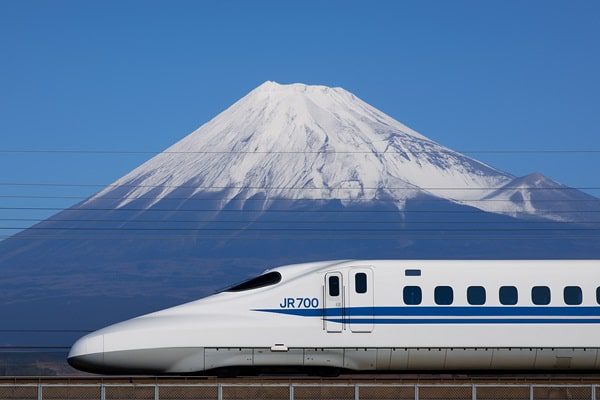
Discover Mount Fuji in Japan
For travellers, the immediate signal is currency volatility. A softer yen makes Japan a more attractive proposition for inbound visitors. Hotels, meals, transport, and retail suddenly feel more affordable, particularly for travellers from within Asia. For Japanese residents, however, outbound travel becomes marginally more expensive, encouraging shorter trips, closer destinations, and sharper value scrutiny.
Tourism has always been sensitive to confidence. When domestic sentiment tightens in Japan, travel habits adjust rather than disappear. Japanese travellers remain loyal, organised and curious, but they become more selective. Length of stay may shorten, premium travel pauses briefly, and regional destinations gain favour.
Inbound tourism tells a different story. Japan’s strengths remain intact: safety, efficiency, cultural depth, and infrastructure that works quietly in the background. These fundamentals do not fluctuate with bond yields. In uncertain times, they become assets.
This is where Thailand enters the picture. Japanese visitors have long been among Thailand’s most consistent and high-value markets, repeat travellers who favour longer stays, familiar hotels, and trusted routes. A weaker yen can soften demand at the margins, particularly in premium segments, but history suggests a moderate response rather than a retreat.
Japanese travellers adapt. When value, reliability and emotional familiarity align, travel continues. Thailand still offers all three.
Globally, Japan’s recalibration is unfolding against a broader backdrop of economic and political unpredictability. Trade tensions, policy inconsistency and fragile confidence elsewhere amplify financial sensitivity. In such climates, discretionary spending, including long-haul travel, is often reassessed. Yet leisure travel rarely vanishes. It reshapes itself.
Destinations perceived as stable, welcoming and apolitical tend to perform best. Japan fits that profile for inbound tourism. Thailand does as well.
From a traveller’s perspective, Japan remains quietly compelling. Its food culture, urban order, environmental awareness and everyday courtesy are constants. Flights remain frequent, logistics dependable, and accommodation diverse. Friction is minimal; more than price, it is often the primary barrier to travel demand.
The same could be said of Thailand.
Japan’s bond market signals transition, not decline. Tourism impacts will be incremental rather than structural. For Thailand, the moment warrants attention, not alarm.
Markets fluctuate. The desire to travel endures.
by Andrew Wood & Edited by Kanda Limw – (c) 2026.
Read Time: 3 minutes.
About the Writer.
 Andrew J. Wood is a British-born travel writer, former hotelier, and tourism consultant who has lived in Thailand since 1991. With more than four decades of experience in international hospitality and tourism, he is a former Director of Skål International and a past President of Skål International Asia, Thailand, and Bangkok.
Andrew writes extensively on tourism trends, sustainability, aviation, and destination strategy across the Asia-Pacific region, contributing to travel and hospitality publications worldwide.
His work reflects a long-standing commitment to responsible tourism, cross-cultural understanding, and the evolving role of travel in a changing global economy.











