

There’s something about a global resort portfolio that’s a bit like a fine wine cellar — it’s not about the sheer number of bottles but the quality, the curation, and the way it all comes together to impress your most discerning guests.
And now, The Ascott Limited is stocking its shelves like a collector on a mission. In the past ten months, the CapitaLand Investment-owned lodging giant has inked 11 resort signings across Asia and the Middle East destinations so photogenic you half expect their tourism boards to charge admission to look.
We’re talking Phuket’s Patong Beach (more on that later), Bali’s Jimbaran sunsets, the coral-ringed glamour of Ras Al Khaimah’s Marjan Island, Vietnam’s Riviera of the South China Sea, and Indonesia’s Labuan Bajo — gateway to dragons of the Komodo variety.
It’s all part of an audacious multi-typology brand strategy, and — as much as the term might sound like a university thesis title — the concept is quite simple: take Ascott’s existing brands, each with its flavour, and dress them for the resort stage.
Why the Resort Rush?
Because, dear reader, leisure is no longer just a slice of the tourism pie; it’s the whole dripping, golden pastry. Industry watchers forecast global leisure spending to triple to US$15 trillion by 2040. Within that, the resort segment is shaping up as the diamond-encrusted cherry on top, predicted to hit US$945 billion by 2030.
This isn’t idle speculation. Walk through any major Asian airport and see them: well-heeled middle-class families from Shanghai, Mumbai, Riyadh, each clutching a boarding pass to somewhere with turquoise water and cocktails in hollowed-out pineapples. The age of the all-work-no-play traveller is over.
Patong — The Opening Number
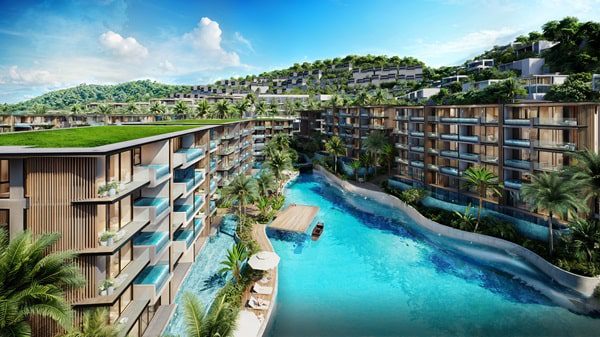
Ascott Abov Patong Phuket Resort
Let’s start where Ascott’s curtain rises: Ascott Abov Patong Phuket Resort. Picture it, a mere 150 metres from the beach that launched a thousand postcards. Two hundred and fifty-four rooms, a rooftop bar for those Andaman sunsets, a spa for post-snorkelling recovery, and even a kids’ club so parents can drink their cocktails in peace.
And here’s the kicker — the development also includes 227 branded residences. In other words, you can check in for the weekend… or buy a set of keys and stay for the decade. Completion is set for 2027, which means you’ve got two years to start daydreaming about what you’ll keep in your beachfront fridge.
Vietnam — The Full-Court Press
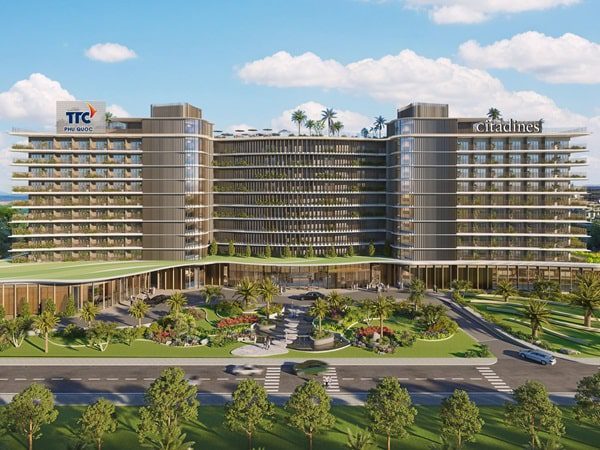
Citadines Selavia Phu Quoc
Ascott’s push into Vietnam is less of a gentle expansion and more of a full-scale invasion of taste and tact. Somerset Nha Trang is a family-friendly haven in a city often called the Riviera of the South China Sea. Down the coast, Citadines Selavia Phu Quoc will plant its flag on the island’s southwest coast, which is all 369 units worth, complete with an onsen spa and event spaces.
But the one with the biggest “look at me” factor? HARRIS Resort Cam Ranh — a 693-unit mega-resort that’s part beach club, water park, and corporate retreat. It’s designed for travellers who want to go from PowerPoint to paddleboard in the same afternoon.
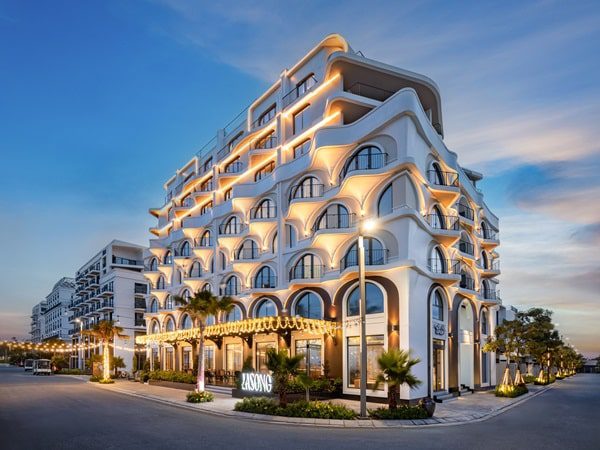
And then there’s Lasong Hotel & Villas Sam Son by The Unlimited Collection, which began a phased opening in April 2025. Think boutique rooms, private villas, a Korean jjimjilbang, and a ballroom so grand it practically demands a waltz.
Indonesia — The Triple Treat (and a Dragon)
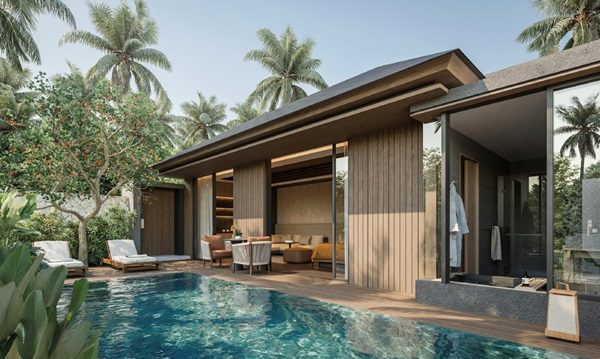
Oakwood Jimbaran Villas
Indonesia gets three scoops of Ascott expansion, with a dragon-shaped cherry on top. First, lyf Labuan Bajo, opening in 2027, is a social-living hub for the new wave of eco-conscious travellers headed to Komodo National Park. Second, Oakwood Jimbaran Villas and Residences Bali offers direct access to seafood feasts and sunsets that could make a poet weep.
Third — the chic Oakwood Premier Berawa Beach Bali in Canggu and the wellness-forward Oakwood Sanur Bali, located next to the future Bali International Hospital. That last one is poised to capture the growing medical tourism market — because why not book a beachfront villa and a wellness retreat in one go?
The Arabian Play
If you’re going to play the luxury game, you eventually end up in the Gulf — and Ascott has picked one of the shiniest pieces on the board: Al Mahra Resort by The Crest Collection on Marjan Island, Ras Al Khaimah. Picture 539 rooms and suites, every amenity under the desert sun, and beaches that look like the Almighty Himself photoshopped them. Opening date? 2027.
The Loyalty Loop — Clever and Calculated
Now here’s where the strategy shows its teeth: Ascott’s Ascott Star Rewards programme. It’s not just about points, it’s about creating a chain reaction. Stay at Patong, earn points. Redeem them in Bali. Get hooked on Bali, head to Phu Quoc. Before you know it, you’ve become an Ascott brand ambassador without filling in a job application.
Chief Commercial Officer Tan Bee Leng gets it:
“From sun-drenched beachfront villas and serene mountain retreats to château stays and immersive wellness escapes, each resort adds lifestyle richness to the loyalty journey.”
Translation: this isn’t just a hotel chain — it’s a travel habit.
-

- Tan Bee Leng, Chief Commercial Officer, Ascott
-

- Serena Lim, Chief Growth Officer, Ascott
Asset-Light, Experience-Heavy
The final brushstroke on this expansion masterpiece is Ascott’s asset-light model. They manage and franchise rather than own outright, meaning they can grow faster and dodge the worst of the capital-heavy risks. Property owners get the halo effect of an international brand without giving up the deed.
It’s innovative, nimble, and downright essential in a sometimes volatile leisure market.
The Verdict
This isn’t Ascott dipping its toes in the leisure pool. This is Ascott doing a perfect swan dive, resurfacing with a grin, and inviting the rest of the hospitality world to “come on in, the water’s fine.”
With over 20 resort openings in the next three years, they’re not just responding to demand but shaping it. And if their multi-brand, multi-destination chess game pays off, they may own the most enviable resort collection on the planet.
By Yves Thomas











